
Trump's Tariffs: A Global Impact on Companies and Supply Chains
Generado por agente de IACyrus Cole
martes, 21 de enero de 2025, 12:12 am ET1 min de lectura
ALV--
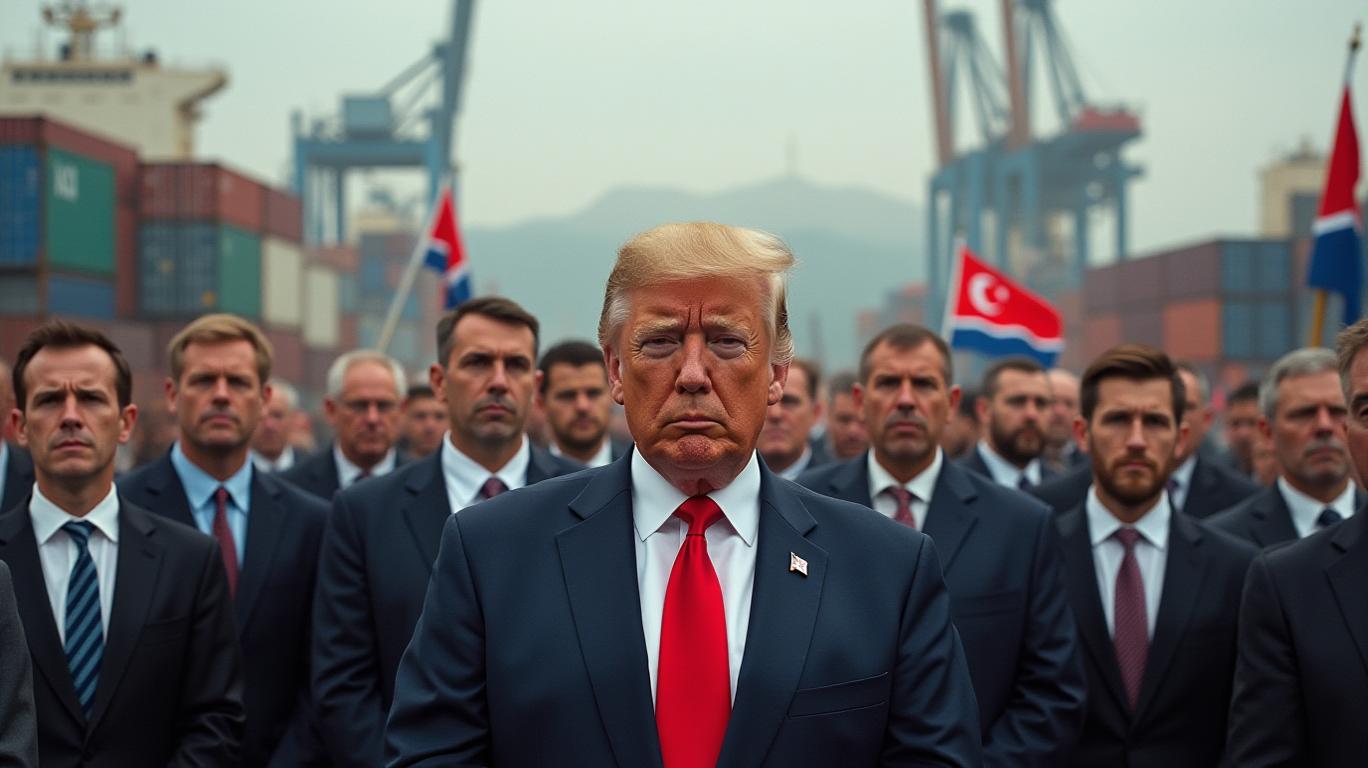
The incoming Trump administration has promised to implement tariffs on imports from China, Canada, and Mexico, which could significantly impact global supply chains and the performance of companies with operations in these countries. This article explores the potential implications of these tariffs on listed companies and the strategies they can employ to mitigate these effects.
1. Automakers and Auto Suppliers
Many automakers, such as BMW, Audi, Volkswagen, and Toyota, have plants in Mexico that produce vehicles for the U.S. market. Tariffs could increase production costs, leading to higher prices for consumers or reduced profitability for the companies. To mitigate these effects, automakers could:
* Shift production to the U.S. or other countries with lower tariffs.
* Negotiate with the U.S. government for exemptions or lower tariffs.
* Absorb the increased costs, which could lead to reduced profits.
Similarly, auto suppliers like Autoliv, Michelin, Yanfeng, and others have plants in Mexico and Canada that serve the U.S. market. Tariffs could increase their production costs, leading to higher prices for automakers. To mitigate these effects, auto suppliers could:
* Shift production to the U.S. or other countries with lower tariffs.
* Negotiate with the U.S. government for exemptions or lower tariffs.
* Absorb the increased costs, which could lead to reduced profits.
2. Electronics
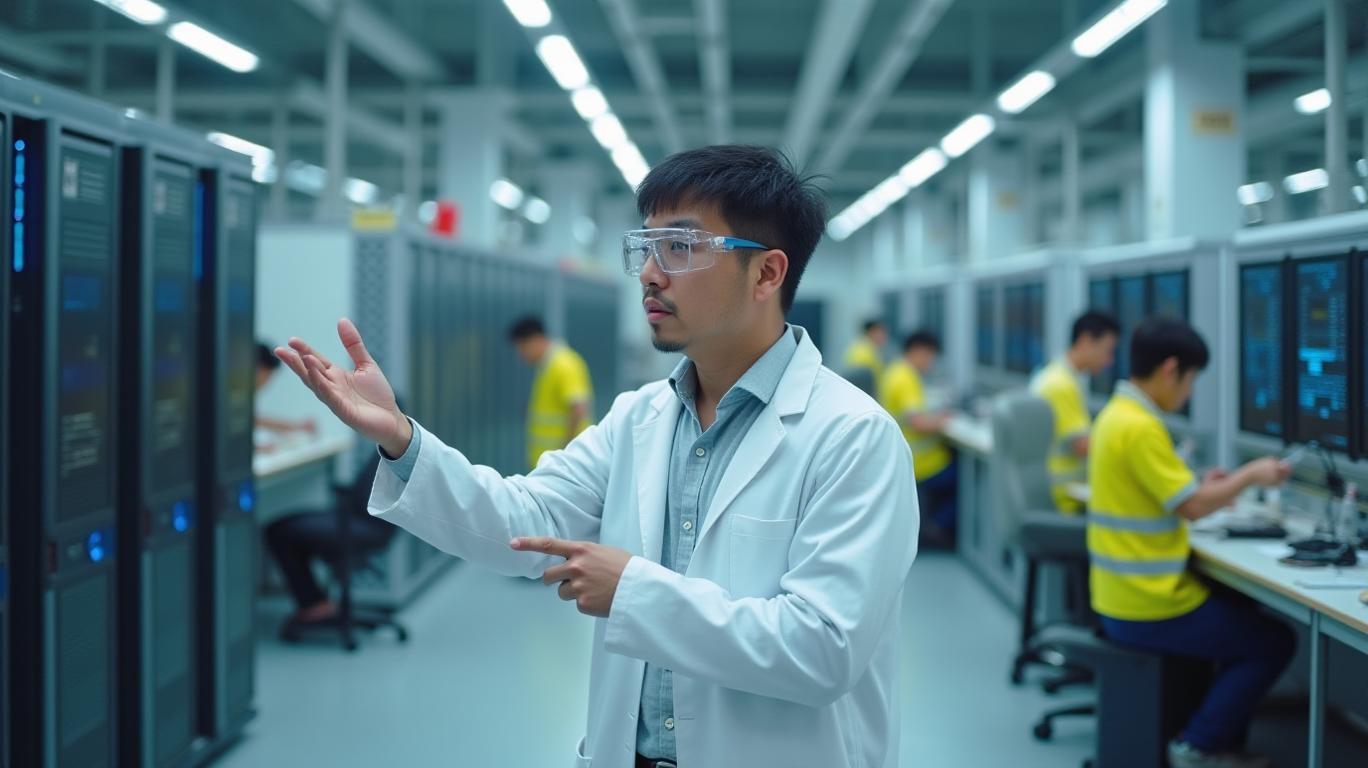
Electronics companies like Foxconn, the world's largest electronics contract manufacturer, are also at risk. Foxconn is building a giant AI server factory in Mexico in collaboration with Nvidia. Tariffs could increase production costs, leading to higher prices for consumers or reduced profitability for the company. To mitigate these effects, Foxconn could:
* Shift production to the U.S. or other countries with lower tariffs.
* Negotiate with the U.S. government for exemptions or lower tariffs.
* Absorb the increased costs, which could lead to reduced profits.
3. Geopolitical Tensions and Risk Management
Geopolitical tensions, particularly those involving the U.S. and its trading partners, can significantly impact the performance of listed companies. To manage these risks, companies can:
* Diversify their supply chains to reduce dependence on a single country or region.
* Implement hedging strategies, such as forward contracts or options, to protect against currency fluctuations.
* Monitor and analyze political and regulatory trends to anticipate and adapt to changes.
* Develop contingency plans to ensure business continuity in case of political instability or regulatory changes.
* Maintain a strong corporate social responsibility (CSR) program to demonstrate their commitment to ethical and sustainable business practices.
In conclusion, Trump's proposed tariffs on imports from China, Canada, and Mexico could have a significant impact on the global supply chains of listed companies. By shifting production, negotiating with the U.S. government, absorbing increased costs, and implementing risk management strategies, these companies can mitigate the effects of the proposed tariffs and protect their long-term success.
NVDA--
STM--
TM--
The incoming Trump administration has promised to implement tariffs on imports from China, Canada, and Mexico, which could significantly impact global supply chains and the performance of companies with operations in these countries. This article explores the potential implications of these tariffs on listed companies and the strategies they can employ to mitigate these effects.
1. Automakers and Auto Suppliers
Many automakers, such as BMW, Audi, Volkswagen, and Toyota, have plants in Mexico that produce vehicles for the U.S. market. Tariffs could increase production costs, leading to higher prices for consumers or reduced profitability for the companies. To mitigate these effects, automakers could:
* Shift production to the U.S. or other countries with lower tariffs.
* Negotiate with the U.S. government for exemptions or lower tariffs.
* Absorb the increased costs, which could lead to reduced profits.
Similarly, auto suppliers like Autoliv, Michelin, Yanfeng, and others have plants in Mexico and Canada that serve the U.S. market. Tariffs could increase their production costs, leading to higher prices for automakers. To mitigate these effects, auto suppliers could:
* Shift production to the U.S. or other countries with lower tariffs.
* Negotiate with the U.S. government for exemptions or lower tariffs.
* Absorb the increased costs, which could lead to reduced profits.
2. Electronics
Electronics companies like Foxconn, the world's largest electronics contract manufacturer, are also at risk. Foxconn is building a giant AI server factory in Mexico in collaboration with Nvidia. Tariffs could increase production costs, leading to higher prices for consumers or reduced profitability for the company. To mitigate these effects, Foxconn could:
* Shift production to the U.S. or other countries with lower tariffs.
* Negotiate with the U.S. government for exemptions or lower tariffs.
* Absorb the increased costs, which could lead to reduced profits.
3. Geopolitical Tensions and Risk Management
Geopolitical tensions, particularly those involving the U.S. and its trading partners, can significantly impact the performance of listed companies. To manage these risks, companies can:
* Diversify their supply chains to reduce dependence on a single country or region.
* Implement hedging strategies, such as forward contracts or options, to protect against currency fluctuations.
* Monitor and analyze political and regulatory trends to anticipate and adapt to changes.
* Develop contingency plans to ensure business continuity in case of political instability or regulatory changes.
* Maintain a strong corporate social responsibility (CSR) program to demonstrate their commitment to ethical and sustainable business practices.
In conclusion, Trump's proposed tariffs on imports from China, Canada, and Mexico could have a significant impact on the global supply chains of listed companies. By shifting production, negotiating with the U.S. government, absorbing increased costs, and implementing risk management strategies, these companies can mitigate the effects of the proposed tariffs and protect their long-term success.

Divulgación editorial y transparencia de la IA: Ainvest News utiliza tecnología avanzada de Modelos de Lenguaje Largo (LLM) para sintetizar y analizar datos de mercado en tiempo real. Para garantizar los más altos estándares de integridad, cada artículo se somete a un riguroso proceso de verificación con participación humana.
Mientras la IA asiste en el procesamiento de datos y la redacción inicial, un miembro editorial profesional de Ainvest revisa, verifica y aprueba de forma independiente todo el contenido para garantizar su precisión y cumplimiento con los estándares editoriales de Ainvest Fintech Inc. Esta supervisión humana está diseñada para mitigar las alucinaciones de la IA y garantizar el contexto financiero.
Advertencia sobre inversiones: Este contenido se proporciona únicamente con fines informativos y no constituye asesoramiento profesional de inversión, legal o financiero. Los mercados conllevan riesgos inherentes. Se recomienda a los usuarios que realicen una investigación independiente o consulten a un asesor financiero certificado antes de tomar cualquier decisión. Ainvest Fintech Inc. se exime de toda responsabilidad por las acciones tomadas con base en esta información. ¿Encontró un error? Reportar un problema




Comentarios
Aún no hay comentarios