
As Trump's Tariffs Take Effect, Should You Buy Stocks? Here's What History Says.
Generado por agente de IATheodore Quinn
miércoles, 5 de marzo de 2025, 5:52 am ET1 min de lectura
As President Trump's long-threatened tariffs on Canada, Mexico, and China take effect, investors are left wondering: should I buy stocks now, or wait for the dust to settle? History provides some insights into how markets have reacted to similar geopolitical uncertainties in the past.

First, let's examine the historical correlation between tariffs and stock market performance. A study by Liberty Street Economics found a clear negative impact on stock prices on the days tariffs were announced, particularly affecting companies with significant exposure to China. This suggests that market sentiment and investor confidence are negatively impacted by geopolitical tensions, leading to decreased stock performance.
However, it's essential to consider the specific sectors and industries most vulnerable to the impacts of President Trump's tariffs. Automakers, homebuilders, consumer electronics retailers, and oil and gas companies are among the most affected. Investors in these sectors may face decreased earnings and lower stock prices due to increased costs and potential disruptions in supply chains.
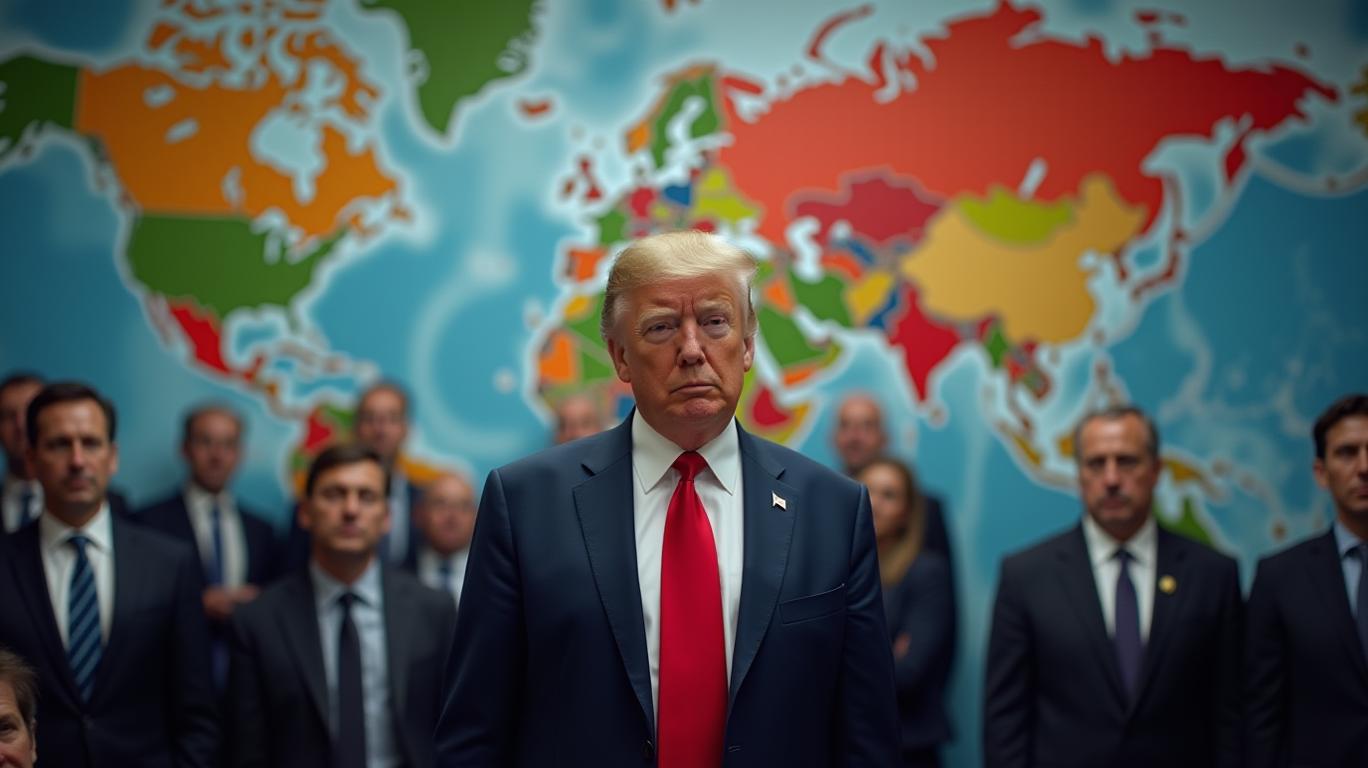
Market sentiment and investor confidence play a significant role in stock performance during periods of geopolitical uncertainty. Investors' concerns about the future health of the economy, expectations for Fed rate cuts, and historical correlations between geopolitical tensions and stock performance all contribute to the impact of market sentiment on stock performance during times of uncertainty.
So, should you buy stocks now? The answer depends on your investment horizon and risk tolerance. If you're a long-term investor with a time frame of several years or more, history suggests that markets tend to recover and grow over time, even in the face of geopolitical uncertainties. However, if you're a short-term investor or trader, the volatile nature of the market during periods of uncertainty may warrant a more cautious approach.
In conclusion, while the current trade war and tariffs pose challenges to the stock market, history provides some insights into how markets have reacted to similar geopolitical uncertainties in the past. By understanding the vulnerabilities of specific sectors and the impact of market sentiment on stock performance, investors can make more informed decisions about whether to buy stocks now or wait for the situation to stabilize. Ultimately, the decision to buy stocks during this period of uncertainty depends on your individual investment goals, risk tolerance, and time horizon.



Divulgación editorial y transparencia de la IA: Ainvest News utiliza tecnología avanzada de Modelos de Lenguaje Largo (LLM) para sintetizar y analizar datos de mercado en tiempo real. Para garantizar los más altos estándares de integridad, cada artículo se somete a un riguroso proceso de verificación con participación humana.
Mientras la IA asiste en el procesamiento de datos y la redacción inicial, un miembro editorial profesional de Ainvest revisa, verifica y aprueba de forma independiente todo el contenido para garantizar su precisión y cumplimiento con los estándares editoriales de Ainvest Fintech Inc. Esta supervisión humana está diseñada para mitigar las alucinaciones de la IA y garantizar el contexto financiero.
Advertencia sobre inversiones: Este contenido se proporciona únicamente con fines informativos y no constituye asesoramiento profesional de inversión, legal o financiero. Los mercados conllevan riesgos inherentes. Se recomienda a los usuarios que realicen una investigación independiente o consulten a un asesor financiero certificado antes de tomar cualquier decisión. Ainvest Fintech Inc. se exime de toda responsabilidad por las acciones tomadas con base en esta información. ¿Encontró un error? Reportar un problema




Comentarios
Aún no hay comentarios