
Trump Tariffs' Economic Fallout: A Closer Look at the Numbers
Generado por agente de IAWesley Park
miércoles, 4 de diciembre de 2024, 2:11 pm ET1 min de lectura
In late 2024, President-elect Trump outlined a protectionist trade policy, promising to impose hefty tariffs on goods imported from Canada, Mexico, and China. The proposed tariffs, as high as 60% on Chinese imports, raised concerns about their potential impact on the U.S. economy. A closer look at the research on past Trump tariffs reveals a grim picture of increased prices, reduced availability, and job losses.
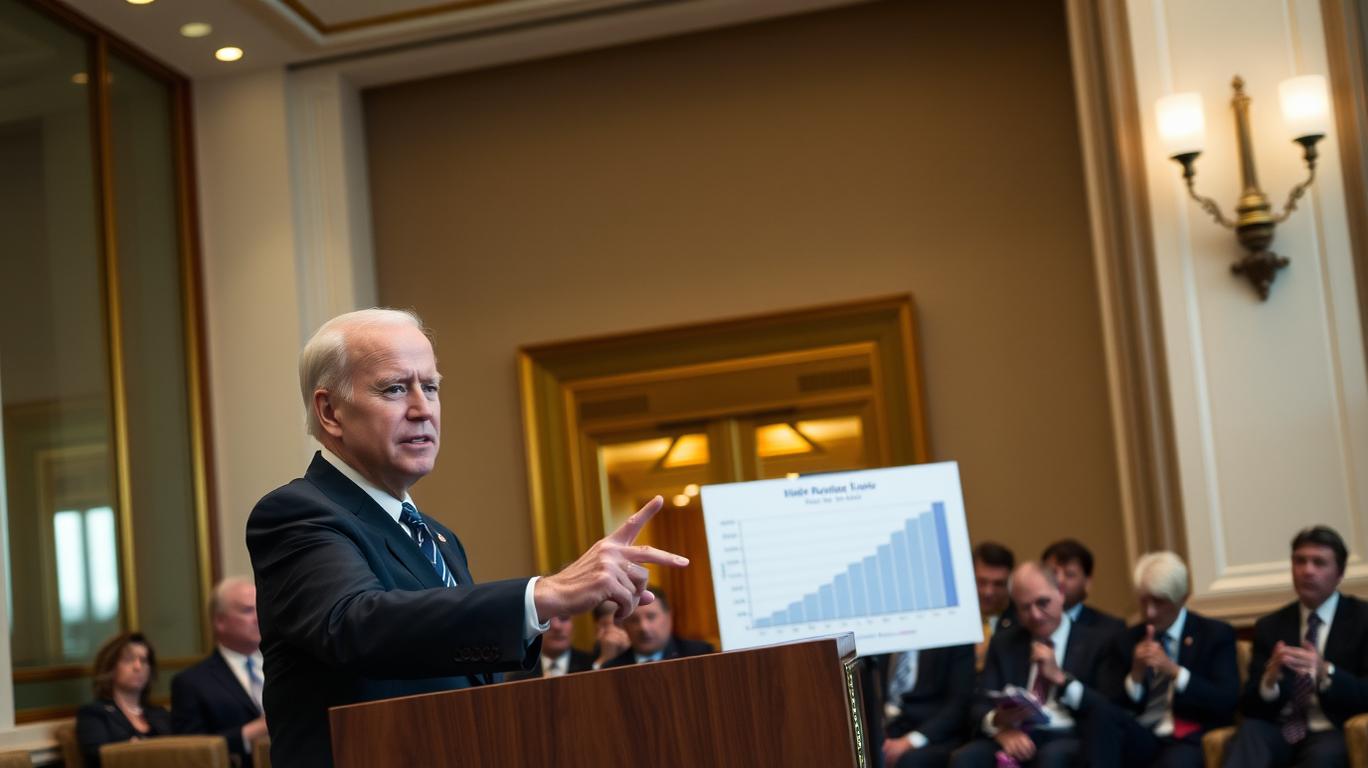
Research by the Tax Foundation and Harvard Business Review (HBR.org) shows that Trump's tariffs, particularly those targeting China, led to increased prices and reduced availability of consumer goods in the U.S. market. U.S. consumers bore the brunt of the costs, with prices for certain goods increasing by up to 10%. Despite the intended effect of bringing manufacturing jobs back to the U.S., research by the Economic Policy Institute found a net loss of 335,000 jobs from 2018 to 2020, including 186,000 manufacturing jobs.
Retaliatory tariffs from other countries also took a toll on U.S. exports. A study by the U.S. Commerce Department found that U.S. exports to China declined by $16 billion, with soybean and auto exports dropping significantly. The American Soybean Association estimated that farmers lost $11 billion in income. In response, the U.S. government provided $28 billion in aid to affected farmers.
The Federal Reserve played a crucial role in mitigating the economic effects of past Trump tariffs. In response to the 2018-19 U.S.-China trade war, the Fed cut interest rates three times in 2019, providing a monetary stimulus that helped the U.S. economy weather the trade war's impact.
As the U.S. economy braces for the potential impact of new Trump tariffs, it's essential to learn from the past. The research is clear: Trump's tariffs hurt the U.S. economy, stocks, and jobs. To protect U.S. businesses and consumers, a balanced approach to trade policy is needed, one that considers the broader economic implications and the potential for retaliation from trading partners.
In conclusion, the proposed Trump tariffs raise serious concerns about their potential impact on the U.S. economy. The research on past tariffs serves as a stark reminder of the economic fallout that can result from such protectionist policies. As the U.S. economy faces an uncertain future, it's crucial to consider the lessons learned from past Trump tariffs and advocate for a more balanced approach to trade policy.



Divulgación editorial y transparencia de la IA: Ainvest News utiliza tecnología avanzada de Modelos de Lenguaje Largo (LLM) para sintetizar y analizar datos de mercado en tiempo real. Para garantizar los más altos estándares de integridad, cada artículo se somete a un riguroso proceso de verificación con participación humana.
Mientras la IA asiste en el procesamiento de datos y la redacción inicial, un miembro editorial profesional de Ainvest revisa, verifica y aprueba de forma independiente todo el contenido para garantizar su precisión y cumplimiento con los estándares editoriales de Ainvest Fintech Inc. Esta supervisión humana está diseñada para mitigar las alucinaciones de la IA y garantizar el contexto financiero.
Advertencia sobre inversiones: Este contenido se proporciona únicamente con fines informativos y no constituye asesoramiento profesional de inversión, legal o financiero. Los mercados conllevan riesgos inherentes. Se recomienda a los usuarios que realicen una investigación independiente o consulten a un asesor financiero certificado antes de tomar cualquier decisión. Ainvest Fintech Inc. se exime de toda responsabilidad por las acciones tomadas con base en esta información. ¿Encontró un error? Reportar un problema


SOBRE NOSOTROS
Nuestra historiaAutores de noticiasBase de conocimientosPolítica de privacidadTérmino de usoDescargo de responsabilidad de corretaje de tercerosTérminos de uso de AIMEDivulgaciones de riesgos de AInvest AICarrerasCONTÁCTENOS
Email: support@ainvest.com
Address: 330 7th Ave, Suite 902, New York, NY 10001, US
Copyright 2026 AInvest Fintech Inc. All rights reserved.


Comentarios
Aún no hay comentarios