
Trump's Tariffs: A Double-Edged Sword for Stocks
Generado por agente de IATheodore Quinn
viernes, 17 de enero de 2025, 12:10 pm ET1 min de lectura
WCEO--
As President-elect Donald Trump prepares to take office, investors are grappling with the potential impacts of his proposed policy agenda on the stock market. One of the most contentious issues is Trump's tariff proposals, which could have significant long-term effects on the market and individual stocks. In this article, we'll explore the potential implications of Trump's tariffs on the stock market and specific sectors, as well as the broader economic landscape.
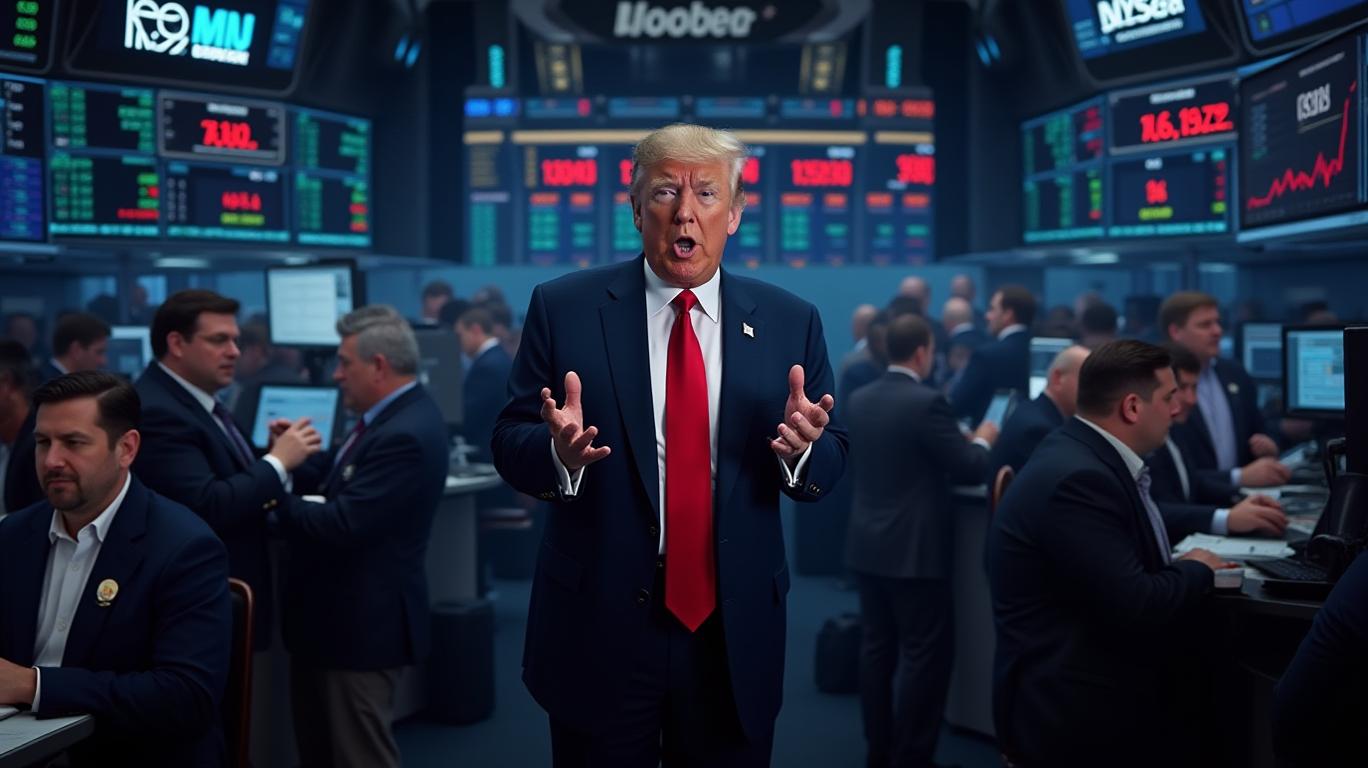
The Double-Edged Sword of Tariffs
Trump's tariff proposals, if implemented, could have both positive and negative effects on the stock market. On the one hand, higher tariffs could lead to increased inflation and interest rates, which could impact the stock market negatively (Glassman, 2025). Additionally, the uncertainty surrounding Trump's tariff policies could lead to increased market volatility, as investors may be hesitant to invest in companies that could be negatively affected by the tariffs (Turnquist, 2025).
On the other hand, there are reasons to be optimistic about the stock market's performance under a Trump administration. Robust economic growth, double-digit earnings growth, and the artificial intelligence (AI) theme continue to support market enthusiasm (Turnquist, 2025). Furthermore, Trump's pro-growth agenda, less regulatory oversight, and potentially lower taxes could boost the stock market in the long run (Turnquist, 2025).
Sector-Specific Impacts
Trump's tariffs could disproportionately affect certain sectors. For instance, companies with strong sales abroad, particularly in China, may see their profits decline if retaliatory tariffs are imposed. This could lead to underperformance in sectors like automobile, capital goods, and technology hardware (Glassman, 2025). Conversely, companies that benefit from increased domestic production, such as steel and aluminum producers, could see their fundamentals improve.
Long-Term Effects
The long-term effects of Trump's tariff proposals on the stock market will depend on how these factors play out and how investors react to the uncertainty. While higher inflation and interest rates could negatively impact the market, the potential benefits of Trump's pro-growth agenda and less regulatory oversight could offset some of these effects.

In conclusion, Trump's tariff proposals could have both positive and negative long-term effects on the stock market. Investors should carefully consider the potential impacts on specific sectors and companies, as well as the broader economic landscape, when making investment decisions. As always, it's essential to stay informed and adapt to the ever-changing market conditions.
As an investor, I believe that the key to navigating the potential challenges and opportunities presented by Trump's tariff proposals is to maintain a balanced portfolio, diversified across various sectors and asset classes. By doing so, investors can mitigate the risks associated with any single policy or event and position themselves to take advantage of the potential long-term benefits of a Trump administration.
As President-elect Donald Trump prepares to take office, investors are grappling with the potential impacts of his proposed policy agenda on the stock market. One of the most contentious issues is Trump's tariff proposals, which could have significant long-term effects on the market and individual stocks. In this article, we'll explore the potential implications of Trump's tariffs on the stock market and specific sectors, as well as the broader economic landscape.
The Double-Edged Sword of Tariffs
Trump's tariff proposals, if implemented, could have both positive and negative effects on the stock market. On the one hand, higher tariffs could lead to increased inflation and interest rates, which could impact the stock market negatively (Glassman, 2025). Additionally, the uncertainty surrounding Trump's tariff policies could lead to increased market volatility, as investors may be hesitant to invest in companies that could be negatively affected by the tariffs (Turnquist, 2025).
On the other hand, there are reasons to be optimistic about the stock market's performance under a Trump administration. Robust economic growth, double-digit earnings growth, and the artificial intelligence (AI) theme continue to support market enthusiasm (Turnquist, 2025). Furthermore, Trump's pro-growth agenda, less regulatory oversight, and potentially lower taxes could boost the stock market in the long run (Turnquist, 2025).
Sector-Specific Impacts
Trump's tariffs could disproportionately affect certain sectors. For instance, companies with strong sales abroad, particularly in China, may see their profits decline if retaliatory tariffs are imposed. This could lead to underperformance in sectors like automobile, capital goods, and technology hardware (Glassman, 2025). Conversely, companies that benefit from increased domestic production, such as steel and aluminum producers, could see their fundamentals improve.
Long-Term Effects
The long-term effects of Trump's tariff proposals on the stock market will depend on how these factors play out and how investors react to the uncertainty. While higher inflation and interest rates could negatively impact the market, the potential benefits of Trump's pro-growth agenda and less regulatory oversight could offset some of these effects.
In conclusion, Trump's tariff proposals could have both positive and negative long-term effects on the stock market. Investors should carefully consider the potential impacts on specific sectors and companies, as well as the broader economic landscape, when making investment decisions. As always, it's essential to stay informed and adapt to the ever-changing market conditions.
As an investor, I believe that the key to navigating the potential challenges and opportunities presented by Trump's tariff proposals is to maintain a balanced portfolio, diversified across various sectors and asset classes. By doing so, investors can mitigate the risks associated with any single policy or event and position themselves to take advantage of the potential long-term benefits of a Trump administration.

Divulgación editorial y transparencia de la IA: Ainvest News utiliza tecnología avanzada de Modelos de Lenguaje Largo (LLM) para sintetizar y analizar datos de mercado en tiempo real. Para garantizar los más altos estándares de integridad, cada artículo se somete a un riguroso proceso de verificación con participación humana.
Mientras la IA asiste en el procesamiento de datos y la redacción inicial, un miembro editorial profesional de Ainvest revisa, verifica y aprueba de forma independiente todo el contenido para garantizar su precisión y cumplimiento con los estándares editoriales de Ainvest Fintech Inc. Esta supervisión humana está diseñada para mitigar las alucinaciones de la IA y garantizar el contexto financiero.
Advertencia sobre inversiones: Este contenido se proporciona únicamente con fines informativos y no constituye asesoramiento profesional de inversión, legal o financiero. Los mercados conllevan riesgos inherentes. Se recomienda a los usuarios que realicen una investigación independiente o consulten a un asesor financiero certificado antes de tomar cualquier decisión. Ainvest Fintech Inc. se exime de toda responsabilidad por las acciones tomadas con base en esta información. ¿Encontró un error? Reportar un problema




Comentarios
Aún no hay comentarios