
Trump's Tariff U-Turn Triggers Global Stock Frenzy--But the Real Shock Is Still Coming
The stock market’s euphoric reaction to President Trump’s abrupt tariff reversal in April 2025—a 90-day reprieve for most nations but a 125% spike on Chinese imports—masked a deeper truth: the administration’s policy whiplash has only delayed, not dissolved, the economic storm. The S&P 500’s 9.5% surge on April 9, its largest single-day gain since 2008, was a “relief rally” built on shaky ground.  Investors celebrated the pause, but the index remained 11.2% below its February peak—a stark reminder that uncertainty, not clarity, now defines the global economy.
The U-Turn’s Immediate Impact: A Fleeting High
The White House framed the policy shift as a “premeditated strategy,” with Treasury Secretary Scott Bessent insisting it was “Trump’s strategy all along.” Yet the markets’ volatility tells another story. . The 9.5% leap erased some losses but left investors clinging to hope. Automakers like TeslaTSLA-- (up 19%) and Ford (up 8%) soared, even though auto tariffs remain at 25%, suggesting traders bet on broader relief. But this optimism ignored the elephant in the room: China.
China’s Exclusion: A Supply Chain Time Bomb
By excluding China from the tariff pause, Trump targeted the U.S.’s most critical trade partner—and its own consumers. The 125% levy threatens 73% of U.S. smartphone imports, 78% of laptops, and 87% of video game consoles—all sourced from China. 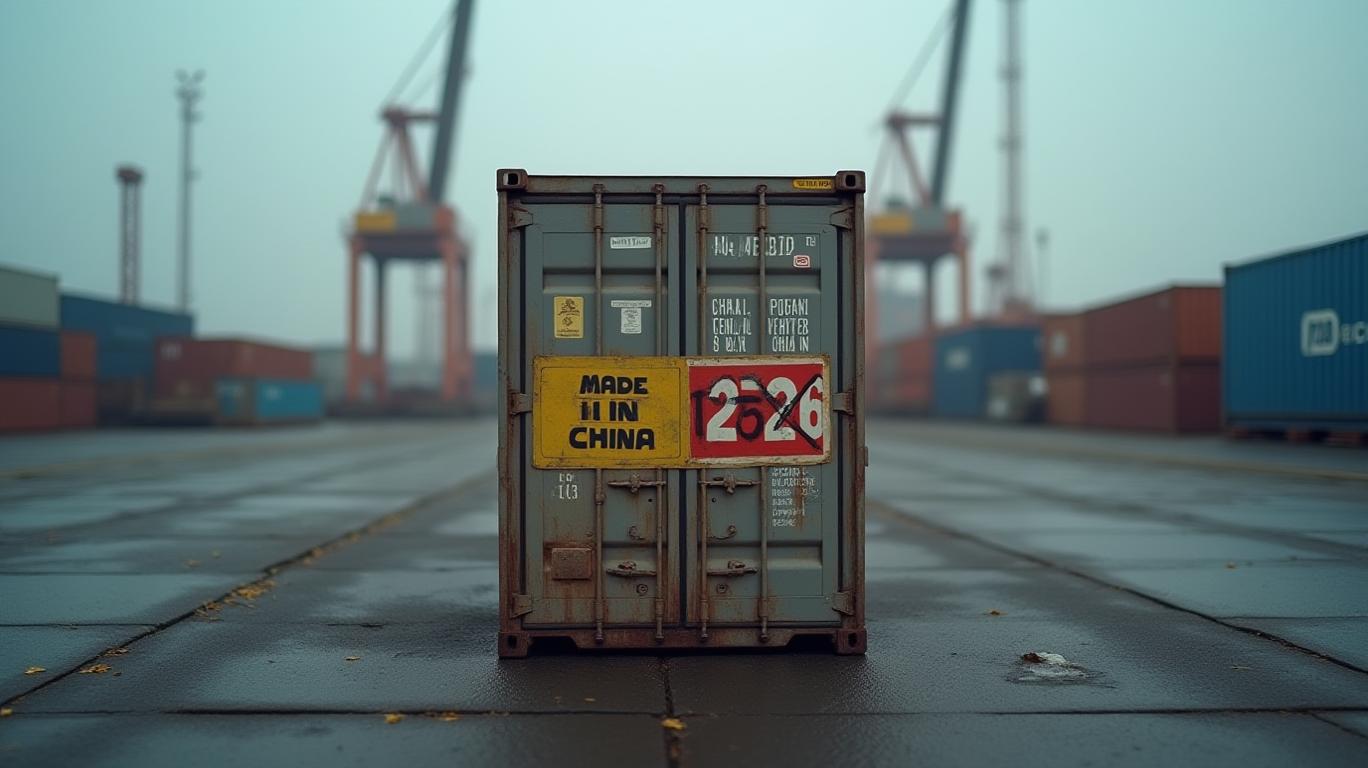 Walmart’s CFO warned of “fluid” conditions and declining consumer sentiment, while economists like Diane Swonk labeled the policy a “headfake.” The reality? Companies face a lose-lose: absorb higher costs or pass them to consumers, risking demand collapse.
Global Reactions: A Fractured Playing Field
The EU delayed implementing its 25% tariffs on U.S. goods like corn and plate glass—a move Trump praised as “good timing.” But Canada and Mexico, shielded under USMCA, now face pressure. Commerce Secretary Howard Lutnick’s warning to Canada—“look at China”—hints at a broader threat. Meanwhile, oil prices plummeted to a four-year low before rebounding, reflecting traders’ seesawing confidence. Bond markets, however, offered no comfort: the 10-year Treasury yield spiked to 4.4%, up from 4%, as investors priced in inflation risks. .
The Political Tightrope: Chaos as Strategy?
Trump’s oscillation between defiance (“My policies will never change”) and flexibility (“You have to be flexible”) revealed a leader using markets as a political weapon. His Truth Social posts urging companies to “move into the USA” and investors to “BUY” smacked of desperation. Yet Democratic leaders like Michigan’s Gretchen Whitmer accused him of using tariffs as a “hammer,” even as Trump staged a photo op with her in the Oval Office. The theatrics underscore a deeper divide: markets crave predictability, but Trump’s administration thrives on chaos.
The Hidden Costs: Inflation’s Shadow
Goldman Sachs backtracked on its recession call, revising GDP growth to 0.5% and lowering recession odds to 45%. But Omair Sharif of Inflation Insights warned the China tariff hike would offset gains elsewhere, keeping inflation “suboptimal.” Consider this: the 125% tariff on $500 billion in Chinese goods adds $62.5 billion in annual costs—a tax on American households and businesses. With corporate profit margins already squeezed, the Fed faces a dilemma: tighten further to combat inflation or risk a slowdown.
Conclusion: The Storm Isn’t Over
The tariff pause delivered a sugar rush to stocks, but the real shock lies ahead. The 90-day breather does nothing to resolve supply chain fragility, inflationary pressures, or geopolitical tensions. China’s exclusion guarantees higher consumer costs and corporate pain, while the EU’s delayed retaliation looms like a guillotine. 
Investors would be wise to heed Diane Swonk’s warning: “Uncertainty itself is an economic tax.” With bond markets pricing in higher rates and oil volatility signaling energy insecurity, the U.S. economy is on a knife’s edge. The next shock—whether a Chinese countermove, a Fed misstep, or Trump’s next tweet—could tip it over. For now, the market’s “relief rally” is a mirage: the real reckoning is just 90 days away.
. The data tells the story: policy unpredictability is the new normal—and it’s a recipe for continued chaos.







Comentarios
Aún no hay comentarios