
Trump Tariff Turmoil Casts a Shadow Over G-20 Meeting
Generado por agente de IAWesley Park
miércoles, 26 de febrero de 2025, 12:57 am ET2 min de lectura
CLF--
As the G-20 meeting approaches, the global economy braces for potential fallout from President Trump's tariff announcements. The proposed tariffs on Canada, Mexico, and China have sparked market volatility and raised concerns about the impact on global trade and economic growth. Here's a closer look at the potential market implications and how investors can navigate the uncertainty.
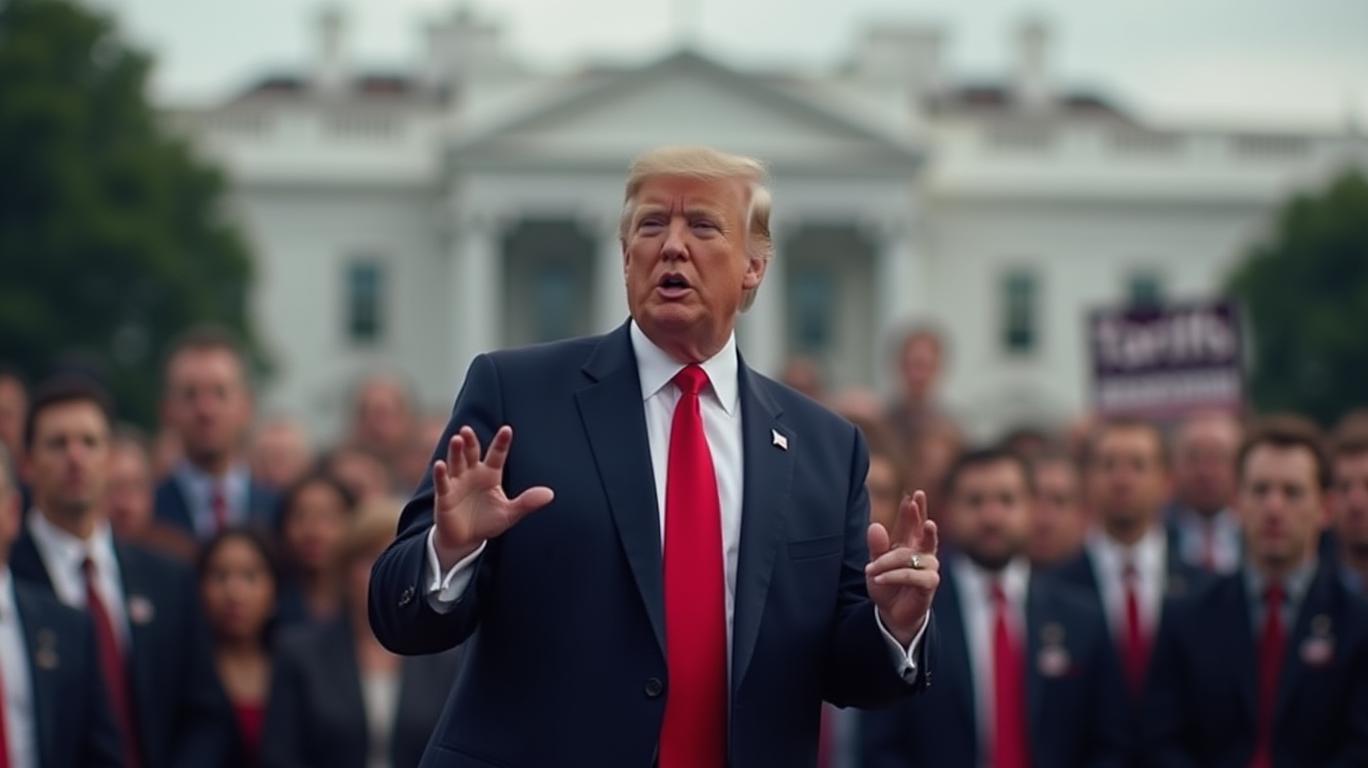
Market Reaction to Trump’s Tariffs
The new tariffs imposed by the Trump administration have sent shockwaves through global financial markets. With a 25% tariff on aluminum and steel from Canada, a 10% tariff on China, and a temporary pause before imposing tariffs on Mexico, traders are scrambling to assess how these moves will affect stocks, commodities, and options markets. Historically, tariffs have had far-reaching consequences, causing inflationary pressures, supply chain disruptions, and increased market volatility. As traders react, the markets have already shown signs of instability, with manufacturing stocks, commodities, and global indices fluctuating sharply.
Key Sectors Affected by Tariffs
These new trade policies are set to impact multiple industries, each facing unique challenges and potential trading opportunities:
1. Metals and Commodities
The 25% tariff on Canadian aluminum and steel immediately drives up costs for U.S. manufacturers that rely on imported raw materials. Steel and aluminum stocks are seeing short-term spikes as traders price in potential supply shortages. U.S.-based steel producers like Nucor (NUE) and Cleveland-Cliffs (CLF) may benefit from reduced foreign competition, while companies reliant on imported metals—such as auto manufacturers—face higher production costs.
2. Technology and Semiconductor Stocks
The 10% tariff on China heavily impacts the technology sector, as semiconductors, circuit boards, and consumer electronics depend on Chinese supply chains. Companies like Apple (AAPL), Nvidia (NVDA), and Intel (INTC) could face cost increases, potentially leading to higher product prices for consumers. Traders may consider protective puts on tech stocks or iron condors to hedge against potential downward moves.
3. Auto Industry and Manufacturing
With increased material costs from aluminum and steel tariffs, automakers face shrinking profit margins. Ford (F) and General Motors (GM) are already facing downward pressure, as the higher cost of materials leads to price hikes for consumers. Options traders should watch for bearish strategies on automakers or consider put spreads to profit from industry slowdowns.
4. Retail and Consumer Goods
The tariffs on China could raise costs for imported goods, particularly in retail and consumer electronics. Companies like Walmart (WMT), Target (TGT), and Best Buy (BBY) could see price pressures affecting their profit margins. Traders should monitor earnings calls and use options straddles to capitalize on volatility in these sectors.
5. Energy and Oil Prices
Canada is a top supplier of crude oil to the U.S., and though oil wasn’t explicitly included in the tariffs, markets are pricing in potential retaliatory measures. If Canada diverts oil exports to Europe or Asia, U.S. refineries may face higher costs, driving up domestic gas prices. Traders might consider bullish strategies on energy ETFs or long call options on crude oil futures to hedge against potential price increases.
Navigating Market Volatility
With uncertainty in the markets, options trading strategies become even more crucial. Here’s how traders can manage risk and seize opportunities:
1. Volatility-Based Trades
Straddles and strangles on the S&P 500 (SPX) and Dow Jones (DJIA) can capture price swings, regardless of direction. VIX options may offer opportunities to profit from rising fear and uncertainty.
2. Sector Rotation Strategies
Shift focus to defensive sectors, like consumer staples, utilities, and healthcare, which are less sensitive to tariffs. Reduce exposure to industries reliant on foreign imports or companies heavily affected by supply chain disruptions.
3. Hedging Against Inflation and Rate Hikes
Gold and silver ETFs can act as a hedge against inflationary pressures caused by tariff-driven price increases. Treasury Inflation-Protected Securities (TIPS) and commodities-based ETFs could provide a buffer against rising costs.

In conclusion, the proposed Trump tariffs have the potential to significantly impact global trade and financial markets. Investors should closely monitor the situation and be prepared to adjust their portfolios accordingly. By understanding the potential market implications and employing appropriate strategies, investors can navigate the uncertainty and capitalize on opportunities that arise from the turmoil.
G--
NUE--
ON--
As the G-20 meeting approaches, the global economy braces for potential fallout from President Trump's tariff announcements. The proposed tariffs on Canada, Mexico, and China have sparked market volatility and raised concerns about the impact on global trade and economic growth. Here's a closer look at the potential market implications and how investors can navigate the uncertainty.
Market Reaction to Trump’s Tariffs
The new tariffs imposed by the Trump administration have sent shockwaves through global financial markets. With a 25% tariff on aluminum and steel from Canada, a 10% tariff on China, and a temporary pause before imposing tariffs on Mexico, traders are scrambling to assess how these moves will affect stocks, commodities, and options markets. Historically, tariffs have had far-reaching consequences, causing inflationary pressures, supply chain disruptions, and increased market volatility. As traders react, the markets have already shown signs of instability, with manufacturing stocks, commodities, and global indices fluctuating sharply.
Key Sectors Affected by Tariffs
These new trade policies are set to impact multiple industries, each facing unique challenges and potential trading opportunities:
1. Metals and Commodities
The 25% tariff on Canadian aluminum and steel immediately drives up costs for U.S. manufacturers that rely on imported raw materials. Steel and aluminum stocks are seeing short-term spikes as traders price in potential supply shortages. U.S.-based steel producers like Nucor (NUE) and Cleveland-Cliffs (CLF) may benefit from reduced foreign competition, while companies reliant on imported metals—such as auto manufacturers—face higher production costs.
2. Technology and Semiconductor Stocks
The 10% tariff on China heavily impacts the technology sector, as semiconductors, circuit boards, and consumer electronics depend on Chinese supply chains. Companies like Apple (AAPL), Nvidia (NVDA), and Intel (INTC) could face cost increases, potentially leading to higher product prices for consumers. Traders may consider protective puts on tech stocks or iron condors to hedge against potential downward moves.
3. Auto Industry and Manufacturing
With increased material costs from aluminum and steel tariffs, automakers face shrinking profit margins. Ford (F) and General Motors (GM) are already facing downward pressure, as the higher cost of materials leads to price hikes for consumers. Options traders should watch for bearish strategies on automakers or consider put spreads to profit from industry slowdowns.
4. Retail and Consumer Goods
The tariffs on China could raise costs for imported goods, particularly in retail and consumer electronics. Companies like Walmart (WMT), Target (TGT), and Best Buy (BBY) could see price pressures affecting their profit margins. Traders should monitor earnings calls and use options straddles to capitalize on volatility in these sectors.
5. Energy and Oil Prices
Canada is a top supplier of crude oil to the U.S., and though oil wasn’t explicitly included in the tariffs, markets are pricing in potential retaliatory measures. If Canada diverts oil exports to Europe or Asia, U.S. refineries may face higher costs, driving up domestic gas prices. Traders might consider bullish strategies on energy ETFs or long call options on crude oil futures to hedge against potential price increases.
Navigating Market Volatility
With uncertainty in the markets, options trading strategies become even more crucial. Here’s how traders can manage risk and seize opportunities:
1. Volatility-Based Trades
Straddles and strangles on the S&P 500 (SPX) and Dow Jones (DJIA) can capture price swings, regardless of direction. VIX options may offer opportunities to profit from rising fear and uncertainty.
2. Sector Rotation Strategies
Shift focus to defensive sectors, like consumer staples, utilities, and healthcare, which are less sensitive to tariffs. Reduce exposure to industries reliant on foreign imports or companies heavily affected by supply chain disruptions.
3. Hedging Against Inflation and Rate Hikes
Gold and silver ETFs can act as a hedge against inflationary pressures caused by tariff-driven price increases. Treasury Inflation-Protected Securities (TIPS) and commodities-based ETFs could provide a buffer against rising costs.
In conclusion, the proposed Trump tariffs have the potential to significantly impact global trade and financial markets. Investors should closely monitor the situation and be prepared to adjust their portfolios accordingly. By understanding the potential market implications and employing appropriate strategies, investors can navigate the uncertainty and capitalize on opportunities that arise from the turmoil.

Divulgación editorial y transparencia de la IA: Ainvest News utiliza tecnología avanzada de Modelos de Lenguaje Largo (LLM) para sintetizar y analizar datos de mercado en tiempo real. Para garantizar los más altos estándares de integridad, cada artículo se somete a un riguroso proceso de verificación con participación humana.
Mientras la IA asiste en el procesamiento de datos y la redacción inicial, un miembro editorial profesional de Ainvest revisa, verifica y aprueba de forma independiente todo el contenido para garantizar su precisión y cumplimiento con los estándares editoriales de Ainvest Fintech Inc. Esta supervisión humana está diseñada para mitigar las alucinaciones de la IA y garantizar el contexto financiero.
Advertencia sobre inversiones: Este contenido se proporciona únicamente con fines informativos y no constituye asesoramiento profesional de inversión, legal o financiero. Los mercados conllevan riesgos inherentes. Se recomienda a los usuarios que realicen una investigación independiente o consulten a un asesor financiero certificado antes de tomar cualquier decisión. Ainvest Fintech Inc. se exime de toda responsabilidad por las acciones tomadas con base en esta información. ¿Encontró un error? Reportar un problema




Comentarios
Aún no hay comentarios