
Trump's Tariff Tsunami: Beyond Apple and Nike
Generado por agente de IAWesley Park
jueves, 3 de abril de 2025, 3:59 pm ET2 min de lectura
AAPL--
Ladies and Gentlemen, buckleBKE-- up! We're in for a wild ride as President Trump's trillion-dollar tariff wall goes up around the U.S. This isn't just about AppleAAPL-- and NikeNKE-- anymore—this is a seismic shift that will rock the entire market. The tariffs are here, and they're not messing around. We're talking about a 10% baseline tariff on all imports, with some countries facing rates as high as 49%. This is a game-changer, folks, and you need to be ready.
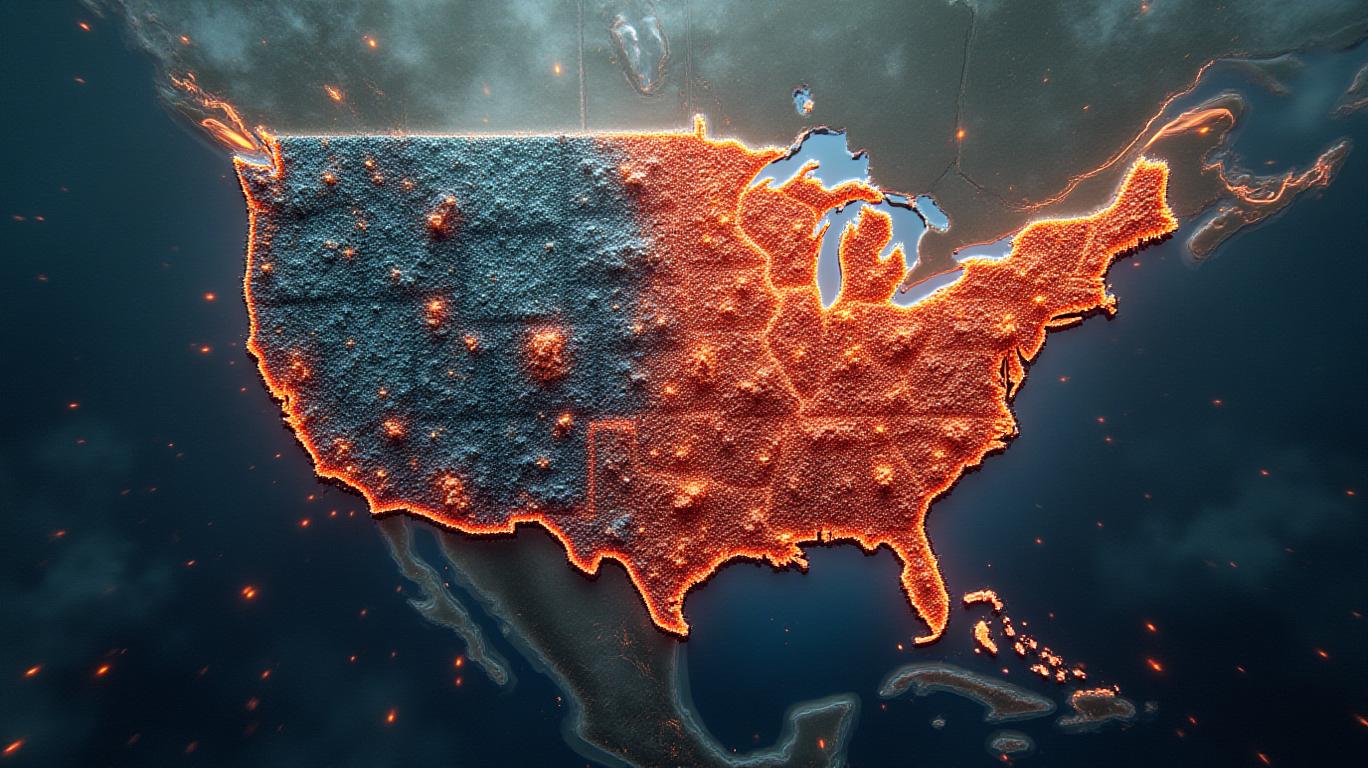
First things first, let's talk about the immediate impact. The market is already in a tailspin. The S&P 500 dropped 4.3% in morning trading, the Dow Jones Industrial Average fell by 1,538 points, and the Nasdaq composite was down 5.6%. This is the worst day since COVID shattered the global economy five years ago. The market hates uncertainty, and Trump's tariffs are serving up a heaping helping of it.
But it's not just about the tech and consumer goods sectors. This tariff tsunami is going to hit every corner of the market. Think about it—every sector that relies on imports is going to feel the pinch. We're talking about aerospace, machinery, food, beverage, primary metals, electrical equipment, computers & electronic products, energy, and agricultureANSC--. The cost of raw materials is going to skyrocket, and that means higher prices for consumers and reduced demand. Companies in these sectors are going to see their profits take a hit, and that's going to translate into lower stock prices.
Now, let's talk about the long-term consequences. If this tariff war escalates into a full-blown trade war, we could be looking at a global recession. Antonio Fatas, a macroeconomist at the INSEAD business school, says it best: "We are moving into a world which is worse for everyone because it is more inefficient." This inefficiency could lead to a global recession, as the world economy is already struggling with sub-par growth, record debt, and geopolitical strife. The tariffs could exacerbate these issues by increasing price pressures and dampening demand.
And let's not forget about the impact on national economies. Countries like China, which rely heavily on exports to the U.S., are going to be left hunting for new markets in the face of wilting consumer demand across the globe. This could lead to a significant economic slowdown in these countries, which in turn could affect the U.S. economy. As Barry Eichengreen, professor of economics and political science at the University of California, Berkeley, puts it, "What happens in the United States doesn't stay in the United States."
So, what does this mean for the valuation of companies across different industries? Companies that rely heavily on imports for their production processes, such as those in the manufacturing sector, could face higher costs and reduced profitability. This could lead to a decrease in their stock prices, as investors factor in the potential impact of the tariffs on their earnings. On the other hand, companies that produce goods domestically and are less reliant on imports could benefit from the tariffs, as they may face less competition from foreign producers.
But here's the kicker—even the tech sector, which has been a significant contributor to the U.S. trade surplus, could be affected. According to Cesar Hidalgo, professor at the Toulouse School of Economics, the U.S. enjoys a trade surplus of at least $600 billion in digital products. However, if other countries retaliate with tariffs on U.S. tech products, this could lead to a decrease in demand for these products and a reduction in the trade surplus. This could, in turn, affect the valuation of tech companies, as investors factor in the potential impact of the tariffs on their earnings.
So, what do you do now? First, stay calm. Panic is the enemy of good investing. Second, diversify your portfolio. Don't put all your eggs in one basket. Third, keep an eye on the sectors that are going to be hit the hardest by the tariffs. And finally, be prepared to act quickly if the market starts to tank. This is a volatile time, and you need to be ready to make moves.
In conclusion, Trump's trillion-dollar tariff wall is a game-changer, and it's going to have far-reaching consequences for the market. It's not just about Apple and Nike anymore—this is a seismic shift that will rock the entire market. So, buckle up, stay informed, and be ready to act. The market is a wild beast, and it's about to get even wilder.
NKE--
Ladies and Gentlemen, buckleBKE-- up! We're in for a wild ride as President Trump's trillion-dollar tariff wall goes up around the U.S. This isn't just about AppleAAPL-- and NikeNKE-- anymore—this is a seismic shift that will rock the entire market. The tariffs are here, and they're not messing around. We're talking about a 10% baseline tariff on all imports, with some countries facing rates as high as 49%. This is a game-changer, folks, and you need to be ready.
First things first, let's talk about the immediate impact. The market is already in a tailspin. The S&P 500 dropped 4.3% in morning trading, the Dow Jones Industrial Average fell by 1,538 points, and the Nasdaq composite was down 5.6%. This is the worst day since COVID shattered the global economy five years ago. The market hates uncertainty, and Trump's tariffs are serving up a heaping helping of it.
But it's not just about the tech and consumer goods sectors. This tariff tsunami is going to hit every corner of the market. Think about it—every sector that relies on imports is going to feel the pinch. We're talking about aerospace, machinery, food, beverage, primary metals, electrical equipment, computers & electronic products, energy, and agricultureANSC--. The cost of raw materials is going to skyrocket, and that means higher prices for consumers and reduced demand. Companies in these sectors are going to see their profits take a hit, and that's going to translate into lower stock prices.
Now, let's talk about the long-term consequences. If this tariff war escalates into a full-blown trade war, we could be looking at a global recession. Antonio Fatas, a macroeconomist at the INSEAD business school, says it best: "We are moving into a world which is worse for everyone because it is more inefficient." This inefficiency could lead to a global recession, as the world economy is already struggling with sub-par growth, record debt, and geopolitical strife. The tariffs could exacerbate these issues by increasing price pressures and dampening demand.
And let's not forget about the impact on national economies. Countries like China, which rely heavily on exports to the U.S., are going to be left hunting for new markets in the face of wilting consumer demand across the globe. This could lead to a significant economic slowdown in these countries, which in turn could affect the U.S. economy. As Barry Eichengreen, professor of economics and political science at the University of California, Berkeley, puts it, "What happens in the United States doesn't stay in the United States."
So, what does this mean for the valuation of companies across different industries? Companies that rely heavily on imports for their production processes, such as those in the manufacturing sector, could face higher costs and reduced profitability. This could lead to a decrease in their stock prices, as investors factor in the potential impact of the tariffs on their earnings. On the other hand, companies that produce goods domestically and are less reliant on imports could benefit from the tariffs, as they may face less competition from foreign producers.
But here's the kicker—even the tech sector, which has been a significant contributor to the U.S. trade surplus, could be affected. According to Cesar Hidalgo, professor at the Toulouse School of Economics, the U.S. enjoys a trade surplus of at least $600 billion in digital products. However, if other countries retaliate with tariffs on U.S. tech products, this could lead to a decrease in demand for these products and a reduction in the trade surplus. This could, in turn, affect the valuation of tech companies, as investors factor in the potential impact of the tariffs on their earnings.
So, what do you do now? First, stay calm. Panic is the enemy of good investing. Second, diversify your portfolio. Don't put all your eggs in one basket. Third, keep an eye on the sectors that are going to be hit the hardest by the tariffs. And finally, be prepared to act quickly if the market starts to tank. This is a volatile time, and you need to be ready to make moves.
In conclusion, Trump's trillion-dollar tariff wall is a game-changer, and it's going to have far-reaching consequences for the market. It's not just about Apple and Nike anymore—this is a seismic shift that will rock the entire market. So, buckle up, stay informed, and be ready to act. The market is a wild beast, and it's about to get even wilder.

Divulgación editorial y transparencia de la IA: Ainvest News utiliza tecnología avanzada de Modelos de Lenguaje Largo (LLM) para sintetizar y analizar datos de mercado en tiempo real. Para garantizar los más altos estándares de integridad, cada artículo se somete a un riguroso proceso de verificación con participación humana.
Mientras la IA asiste en el procesamiento de datos y la redacción inicial, un miembro editorial profesional de Ainvest revisa, verifica y aprueba de forma independiente todo el contenido para garantizar su precisión y cumplimiento con los estándares editoriales de Ainvest Fintech Inc. Esta supervisión humana está diseñada para mitigar las alucinaciones de la IA y garantizar el contexto financiero.
Advertencia sobre inversiones: Este contenido se proporciona únicamente con fines informativos y no constituye asesoramiento profesional de inversión, legal o financiero. Los mercados conllevan riesgos inherentes. Se recomienda a los usuarios que realicen una investigación independiente o consulten a un asesor financiero certificado antes de tomar cualquier decisión. Ainvest Fintech Inc. se exime de toda responsabilidad por las acciones tomadas con base en esta información. ¿Encontró un error? Reportar un problema




Comentarios
Aún no hay comentarios