
Trump's Tariff Tactic: A Pattern Emerges
Generado por agente de IAWesley Park
sábado, 8 de febrero de 2025, 11:35 pm ET1 min de lectura
As President Donald Trump's administration nears its end, one thing has become clear: his use of tariffs has been a defining feature of his economic policy. But is there a pattern to Trump's tariff tactic, and what are the potential long-term economic impacts for both the U.S. and its trading partners?
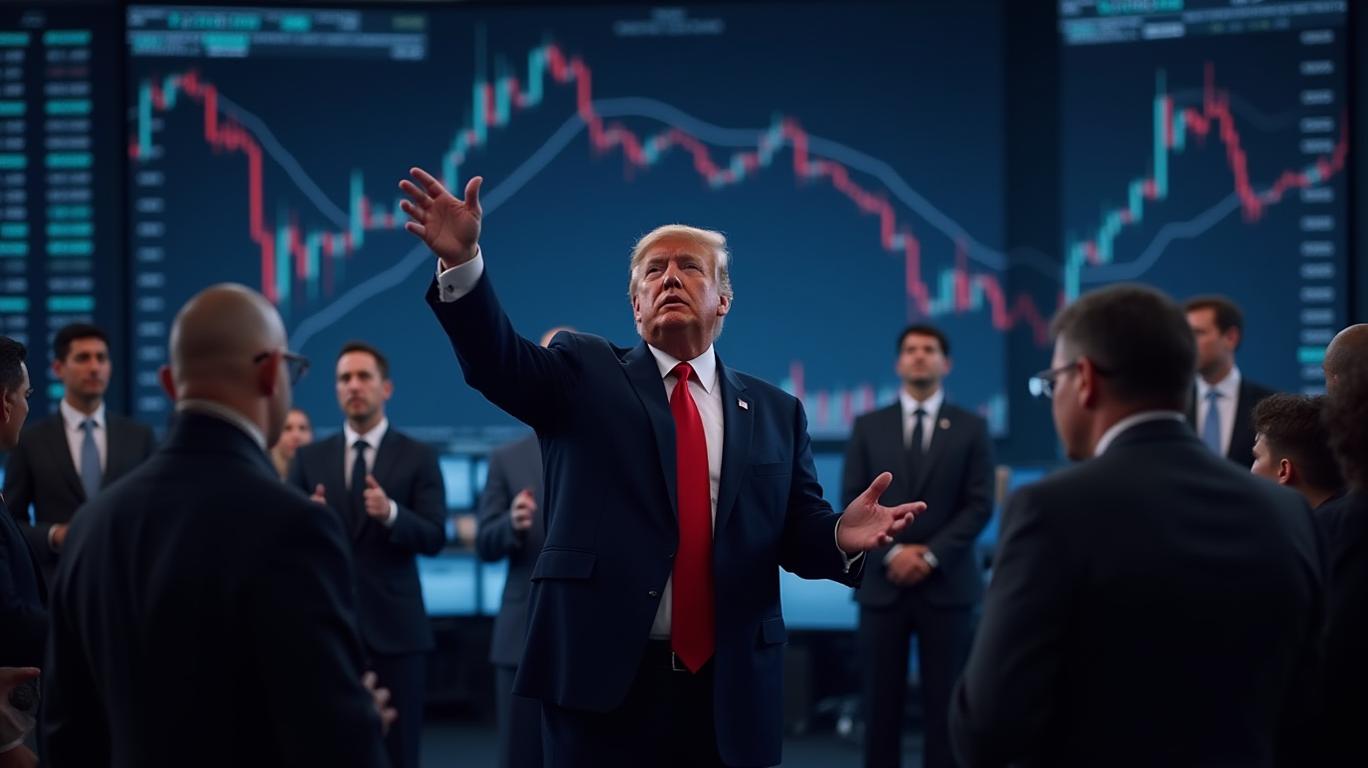
Trump's tariff policy has been characterized by its unpredictability and aggressive nature. He has imposed tariffs on a wide range of goods, targeting countries such as China, Canada, Mexico, and the European Union. The average duty on goods subject to a tariff was about 2% to 4% in the 2010s before Trump's first term, but Trump has increased tariffs to as high as 25% on some goods. This is a significant departure from the low tariff rates that have been in place since the post-World War II era.
Trump's tariff tactics have elicited various responses from targeted industries and countries, with potential long-term economic impacts for both the U.S. and its trading partners. For instance, Canada and Mexico have retaliated with tariffs on U.S. goods, which could lead to higher prices for consumers, reduced demand, job losses, and slower economic growth in various industries and countries.
Automakers, manufacturers, and alcohol producers have also seen their stocks tumble due to the potential impact of Trump's tariffs on their industries. Higher tariffs on imported vehicles, parts, and goods could lead to increased production costs, higher prices for consumers, reduced demand, and negative impacts on the U.S. auto industry and related jobs.
Political motivations play a significant role in Trump's tariff decisions. He has often used tariffs as a negotiating tool and a means to achieve specific policy goals. For example, in 2018, Trump imposed tariffs on Canada, Mexico, and the European Union, citing national security concerns, to pressure them into renegotiating trade agreements. This approach can lead to temporary disruptions in trade and economic growth while negotiations are ongoing.
In conclusion, Trump's tariff tactic has been characterized by its unpredictability and aggressive nature, with potential long-term economic impacts for both the U.S. and its trading partners. While Trump may use tariffs as a negotiating tool or to fulfill campaign promises, these decisions can lead to temporary disruptions in trade, increased consumer prices, reduced economic growth, and potential retaliation from trading partners. As the U.S. enters a new political era, it remains to be seen whether Trump's tariff tactic will continue to shape U.S. economic policy.



Divulgación editorial y transparencia de la IA: Ainvest News utiliza tecnología avanzada de Modelos de Lenguaje Largo (LLM) para sintetizar y analizar datos de mercado en tiempo real. Para garantizar los más altos estándares de integridad, cada artículo se somete a un riguroso proceso de verificación con participación humana.
Mientras la IA asiste en el procesamiento de datos y la redacción inicial, un miembro editorial profesional de Ainvest revisa, verifica y aprueba de forma independiente todo el contenido para garantizar su precisión y cumplimiento con los estándares editoriales de Ainvest Fintech Inc. Esta supervisión humana está diseñada para mitigar las alucinaciones de la IA y garantizar el contexto financiero.
Advertencia sobre inversiones: Este contenido se proporciona únicamente con fines informativos y no constituye asesoramiento profesional de inversión, legal o financiero. Los mercados conllevan riesgos inherentes. Se recomienda a los usuarios que realicen una investigación independiente o consulten a un asesor financiero certificado antes de tomar cualquier decisión. Ainvest Fintech Inc. se exime de toda responsabilidad por las acciones tomadas con base en esta información. ¿Encontró un error? Reportar un problema




Comentarios
Aún no hay comentarios