
Trump's Tariff Hike Sparks Market Decline and Trade War Fears
US President Donald Trump announced that he would impose an additional 10% tariff on imports from China and move forward with levies on Mexico and Canada, effective March 4. Trump posted this statement on Truth Social on Thursday.
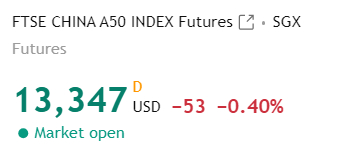
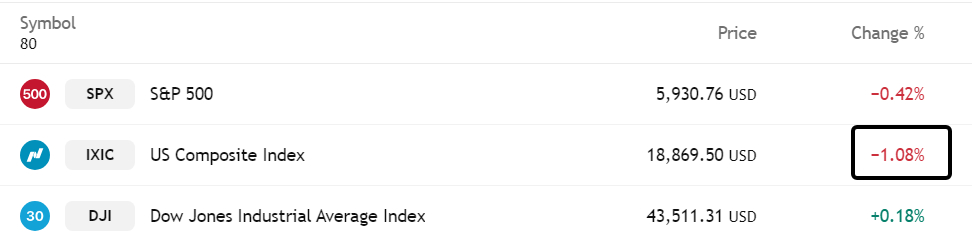
Trump's tariff hikes raise the prospect of a global trade war. The China A50 index futures fell 0.4%, Nasdaq dropped more than 1%, and the S&P 500 index decreased by 0.4%. The offshore Chinese renminbi weakened 0.3% to RMB7.289 against the dollar, while the dollar rose by 0.6% against a basket of other major currencies.
Earlier this month, just hours before tariffs on Mexico and Canada were due to take effect, Trump suspended the tariffs, offering both countries a month-long grace period. However, in his latest post, Trump expressed concerns, stating that drugs are still pouring into our country from Mexico and Canada at very high and unacceptable levels.
Trump's stance on China is even more aggressive. In addition to the 10% tariff set for March 4, his reciprocal tariff plan against China is expected to go ahead as planned on April 2. If Trump follows through, this could mean at least a 30% tariff on China after April 2. The Financial Times believes this move is intended to pressure Beijing into cracking down on groups that export chemicals used to produce fentanyl.
How Likely Are These Tariffs to Be Implemented?
The US president's latest actions come as UK Prime Minister Sir Keir Starmer is scheduled to visit the White House on Thursday. The UK is at risk of being affected by Trump's reciprocal tariff plan, and trade will be a topic of discussion during the meeting. A high-level delegation from Mexico will also visit Washington on Thursday to meet with US Secretary of State Marco Rubio, likely addressing the latest tariff issues.
On the Chinese side, although Beijing has previously retaliated against Trump's tariffs, officials have shown signs of willingness to compromise. Informally, Chinese government officials and advisers have signaled that Beijing could buy more US products to reduce the trade deficit and even invest in the US to create up to 500,000 jobs.
If US trade partners are willing to compromise, the implementation of the tariffs may be less likely. However, given domestic nationalist sentiment in China, it is expected that the government will maintain a tough stance toward the US, making significant concessions less probable. If China continues to retaliate, Trump may hold on to or even expand the tariffs on China.
What Could Be the Impact if the Tariffs Are Imposed?
Firstly, US consumer spending could significantly increase. China and Mexico are vital parts of the US supply chain, and Canada exports large quantities of energy to the US. The new tariffs would lead to price hikes, further driving inflation.
Secondly, there would be longer delivery times and customs processing delays. According to CNN, since Trump announced the 10% tariff on China on February 4, US consumer orders must undergo stricter checks by Customs and Border Protection (CBP), with delays at customs lasting more than five days. A shipment of Chinese-made goods could take over a month to arrive, whereas previously, small packages under $800 cleared quickly.
Several US consumers have reported that Trump's tariffs have increased the cost of purchasing Chinese products, and logistics delays are making it more difficult to receive goods. As a result, many plan to make future purchases from US-based companies. If China imposes retaliatory tariffs, US goods will lose competitiveness in China. A complete decoupling between the US and China seems to be a more realistic possibility.







Comentarios
Aún no hay comentarios