
Trump's Tariff Goals: A Tale of Conflict
Generado por agente de IAWesley Park
sábado, 1 de febrero de 2025, 2:08 pm ET1 min de lectura
As President Trump takes office for his second term, his trade policies, particularly his tariff goals, have once again taken center stage. Trump's tariff goals, initially presented as a means to protect American jobs and industries, have evolved into a complex web of objectives that often seem to be in conflict with one another. Let's delve into the intricacies of Trump's tariff goals and explore how they align and conflict with his desire to generate revenue for the U.S. treasury.
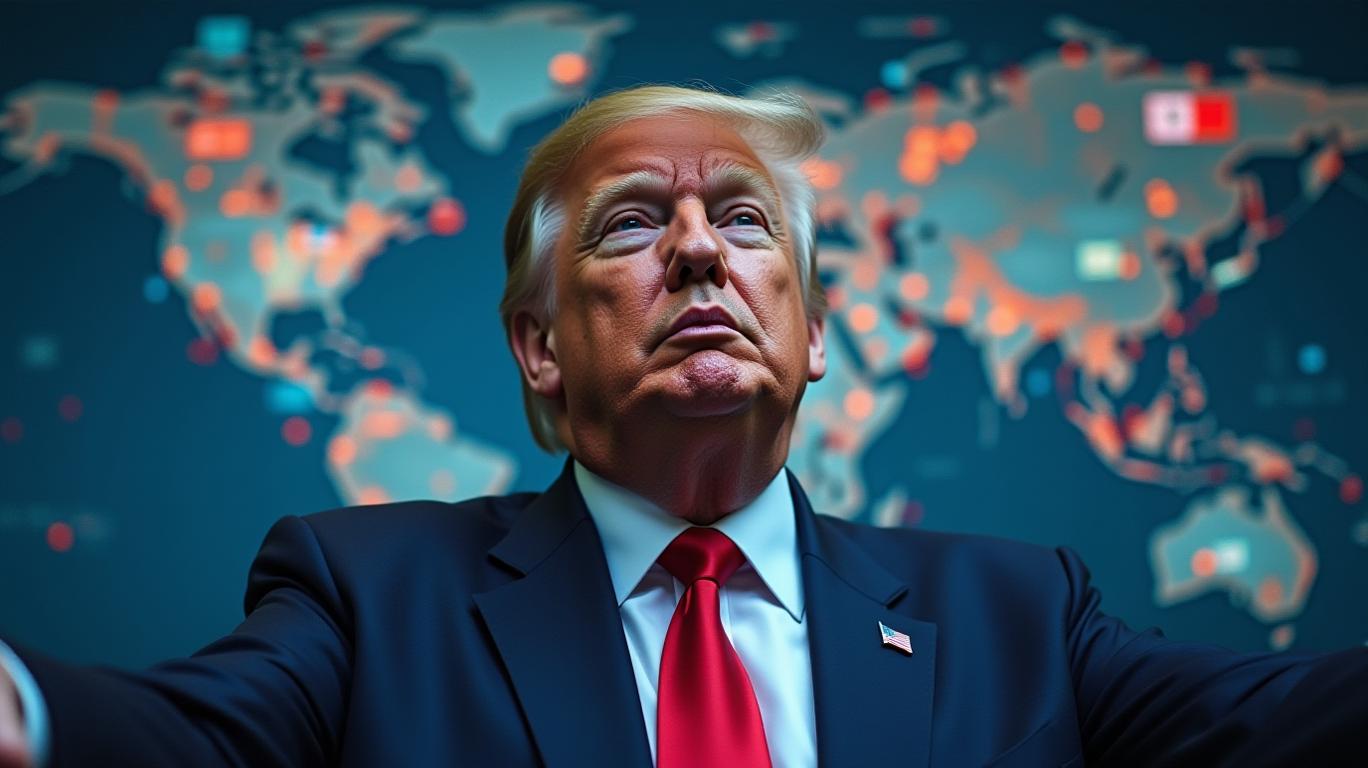
Trump's primary tariff goals can be categorized into two main objectives: protecting American jobs and industries, and generating revenue for the U.S. treasury. However, these goals often conflict, as Trump's use of tariffs as a negotiating tactic or punitive measure against specific countries may result in the U.S. treasury forgoing the expected revenue.
For instance, Trump has threatened to impose tariffs on Mexico and Canada unless they comply with his demands regarding fentanyl trafficking and illegal immigration, respectively. If these countries concede to Trump's demands, they may avoid the tariffs, and the U.S. treasury would not receive the expected revenue. This highlights the conflict between Trump's desire to protect American jobs and industries and his goal of generating revenue for the U.S. treasury.
Moreover, Trump's tariff goals often conflict with the broader economic implications of tariffs. Economists widely agree that tariffs are self-defeating, raising prices on domestic consumers and hurting U.S. exporters through retaliatory measures. This can lead to slower economic growth and higher inflation, ultimately undermining Trump's goals of protecting American jobs and industries and generating revenue for the U.S. treasury.
In conclusion, Trump's tariff goals, while initially presented as a means to protect American jobs and industries, have evolved into a complex web of objectives that often seem to be in conflict with one another. The use of tariffs as a negotiating tactic or punitive measure against specific countries may result in the U.S. treasury forgoing the expected revenue, highlighting the conflict between Trump's desire to protect American jobs and industries and his goal of generating revenue for the U.S. treasury. Furthermore, the broader economic implications of tariffs, such as slower economic growth and higher inflation, can undermine Trump's goals, making it crucial for the administration to carefully consider the potential consequences of its trade policies.



Divulgación editorial y transparencia de la IA: Ainvest News utiliza tecnología avanzada de Modelos de Lenguaje Largo (LLM) para sintetizar y analizar datos de mercado en tiempo real. Para garantizar los más altos estándares de integridad, cada artículo se somete a un riguroso proceso de verificación con participación humana.
Mientras la IA asiste en el procesamiento de datos y la redacción inicial, un miembro editorial profesional de Ainvest revisa, verifica y aprueba de forma independiente todo el contenido para garantizar su precisión y cumplimiento con los estándares editoriales de Ainvest Fintech Inc. Esta supervisión humana está diseñada para mitigar las alucinaciones de la IA y garantizar el contexto financiero.
Advertencia sobre inversiones: Este contenido se proporciona únicamente con fines informativos y no constituye asesoramiento profesional de inversión, legal o financiero. Los mercados conllevan riesgos inherentes. Se recomienda a los usuarios que realicen una investigación independiente o consulten a un asesor financiero certificado antes de tomar cualquier decisión. Ainvest Fintech Inc. se exime de toda responsabilidad por las acciones tomadas con base en esta información. ¿Encontró un error? Reportar un problema




Comentarios
Aún no hay comentarios