
Trump's Tariff Gambit: TikTok Deal or Trade War Escalation?
Generado por agente de IACyrus Cole
miércoles, 26 de marzo de 2025, 9:33 pm ET3 min de lectura
The U.S. stock market has been on a rollercoaster ride in recent weeks, with investors grappling with the uncertainty surrounding President Donald Trump's trade policies. The latest twist in this saga comes as Trump hints at the possibility of reducing tariffs on Chinese goods in exchange for a deal on TikTok, the popular social media app owned by Chinese company ByteDance. This move, if executed, could have far-reaching implications for both the U.S. economy and global trade dynamics.
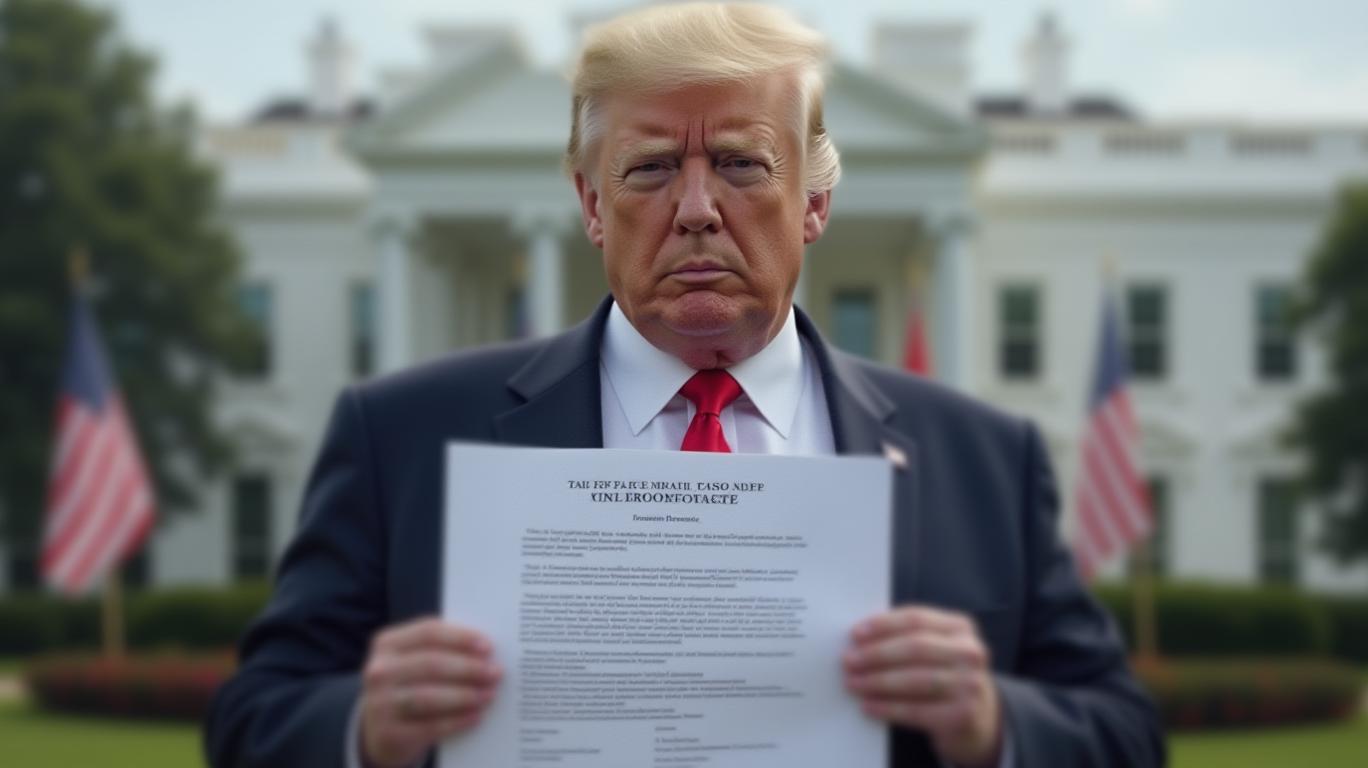
The potential reduction of China tariffs by President Trump could have a significant impact on the U.S. stock market, particularly sectors heavily reliant on Chinese imports and exports. According to recent data, the uncertainty surrounding tariffs has led to a decline in U.S. consumer confidence and a shift in investor sentiment towards more defensive stocks and safe-haven assets. For instance, the S&P 500 and Nasdaq have both experienced corrections, plunging 10% from their respective record highs earlier this month. This volatility is partly due to concerns about the impact of tariffs on economic growth and inflation.
If President Trump were to reduce or eliminate tariffs on Chinese goods, it could provide a much-needed boost to these sectors. For example, the technology sector, which relies heavily on global supply chains and Chinese components, could see a significant increase in stock prices. As noted in recent reports, "The technology war between the United States and China has intensified considerably since 2017 through a wide range of measures: tariffs, export controls and market access restrictions." A reduction in tariffs could alleviate some of the pressure on this sector, potentially leading to increased investment and hiring.
Additionally, recent surveys indicate that "About 25% of chief financial officers say they have cut their 2025 hiring plans due to tariffs." If tariffs are reduced, these CFOs may feel more confident in their hiring plans, which could lead to increased economic activity and a boost to the stock market. Furthermore, the U.S. dollar index, which measures the currency against a basket of six major peers, inched 0.07% higher. That was after slipping 0.12% on Tuesday, its first losing session in about a week. A reduction in tariffs could lead to a strengthening of the U.S. dollar, which could further boost the stock market.
However, the use of tariffs as a bargaining tool in negotiations for a TikTok deal has several potential geopolitical implications and could significantly affect future trade negotiations with China. The imposition of tariffs on Chinese goods in response to concerns about data security and national security could escalate trade tensions between the U.S. and China. This is evident from the ongoing trade war, where tariffs have been used as a tool to pressure China into making concessions. For instance, "Trump has endorsed tariffs as a critical tool in his policy arsenal. He has held up tariffs as a way to address a range of issues, including unfair trade tactics, high budget deficits, the loss of manufacturing jobs, perceived threats to the US dollar, illegal immigration and the flow of fentanyl into the United States." This escalation could lead to retaliatory measures from China, further complicating trade relations.
The outcome of the TikTok negotiations could set a precedent for future trade negotiations with China. If the U.S. successfully uses tariffs to force China to make concessions, it could embolden the U.S. to use similar tactics in future negotiations. Conversely, if China successfully resists U.S. pressure, it could encourage China to adopt a more aggressive stance in future trade disputes. As noted by industry experts, "Initially, markets priced in Trump’s protectionist rhetoric as part of a negotiation strategy, but repeated reversals (e.g., tariff threats, exemptions, sudden hikes) have eroded trust. Thus, markets now see concessions as temporary maneuvers rather than resolutions."
The use of tariffs in the TikTok negotiations could further strain U.S.-China relations, which are already tense due to the trade war and other geopolitical issues. This could have broader implications for global stability, as the U.S. and China are two of the world's largest economies and their actions have significant impacts on the global economy. As noted by recent reports, "The perception of China as the number-one strategic adversary is one of the few major issues in American politics to have attracted a genuine bipartisan consensus. Meanwhile, the prevailing view in China is that America is not interested in China’s rise and looks determined to keep it down."
In conclusion, the potential reduction of China tariffs by President Trump in exchange for a TikTok deal has significant implications for the U.S. stock market and global trade dynamics. While it could provide a boost to sectors reliant on Chinese imports and exports, it also risks escalating trade tensions and complicating future negotiations. Investors and policymakers alike will be watching closely to see how this gambit plays out.



Divulgación editorial y transparencia de la IA: Ainvest News utiliza tecnología avanzada de Modelos de Lenguaje Largo (LLM) para sintetizar y analizar datos de mercado en tiempo real. Para garantizar los más altos estándares de integridad, cada artículo se somete a un riguroso proceso de verificación con participación humana.
Mientras la IA asiste en el procesamiento de datos y la redacción inicial, un miembro editorial profesional de Ainvest revisa, verifica y aprueba de forma independiente todo el contenido para garantizar su precisión y cumplimiento con los estándares editoriales de Ainvest Fintech Inc. Esta supervisión humana está diseñada para mitigar las alucinaciones de la IA y garantizar el contexto financiero.
Advertencia sobre inversiones: Este contenido se proporciona únicamente con fines informativos y no constituye asesoramiento profesional de inversión, legal o financiero. Los mercados conllevan riesgos inherentes. Se recomienda a los usuarios que realicen una investigación independiente o consulten a un asesor financiero certificado antes de tomar cualquier decisión. Ainvest Fintech Inc. se exime de toda responsabilidad por las acciones tomadas con base en esta información. ¿Encontró un error? Reportar un problema


SOBRE NOSOTROS
Nuestra historiaAutores de noticiasBase de conocimientosPolítica de privacidadTérmino de usoDescargo de responsabilidad de corretaje de tercerosTérminos de uso de AIMEDivulgaciones de riesgos de AInvest AICarrerasCONTÁCTENOS
Email: support@ainvest.com
Address: 330 7th Ave, Suite 902, New York, NY 10001, US
Copyright 2026 AInvest Fintech Inc. All rights reserved.


Comentarios
Aún no hay comentarios