
Trump's Tariff Defiance: Market Fears or Economic Boom?
Generado por agente de IAWesley Park
domingo, 6 de abril de 2025, 5:06 pm ET2 min de lectura
Ladies and gentlemen, buckleBKE-- up! We're in for a wild ride as the Trump administration doubles down on tariffs, defying market fears and projecting an air of unyielding confidence. The market is in a tailspin, but the Trump team is unfazed, claiming that these tariffs will boost the U.S. economy and protect American jobs. Let's dive into the chaos and see what's really going on.
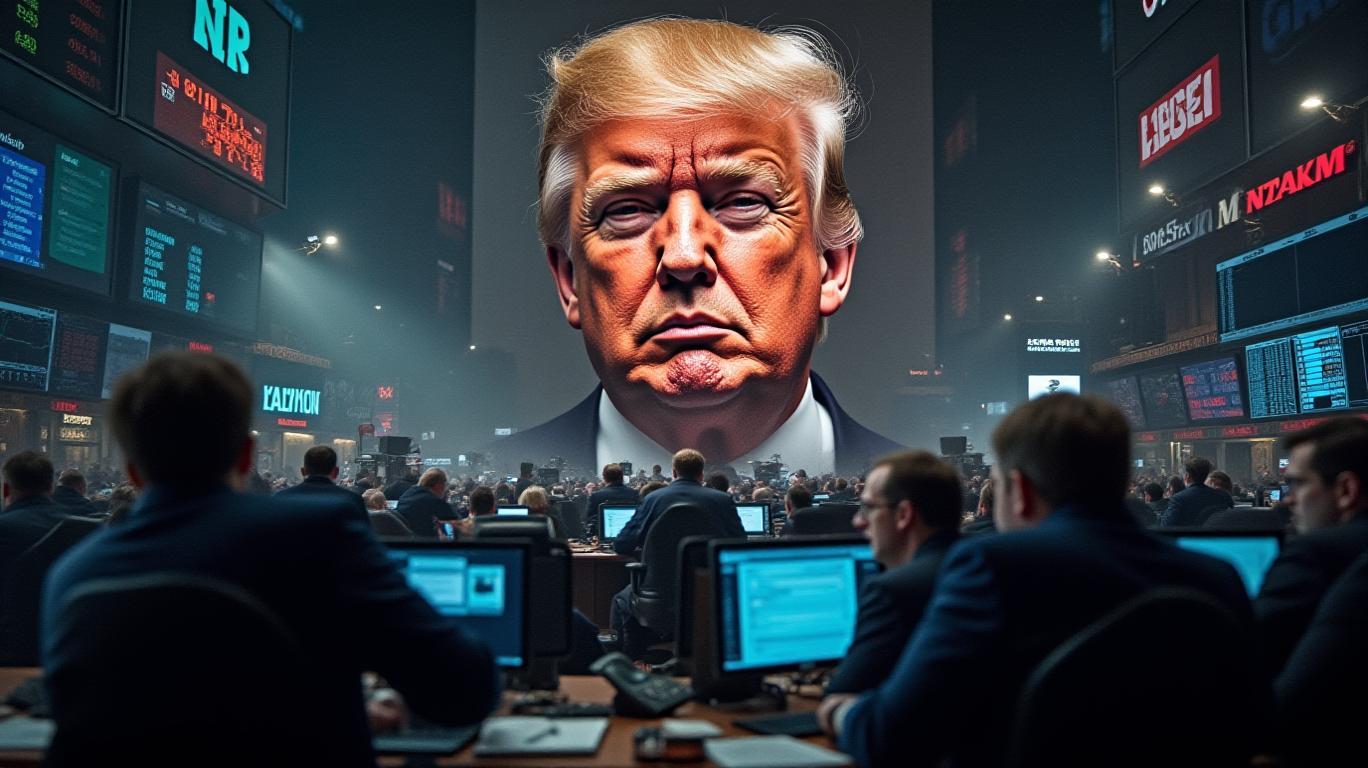
First things first, let's talk about the market reaction. The S&P 500 sank 4.8%, the Dow Jones Industrial Average dropped 4%, and the Nasdaq composite tumbled 6%. This is the worst day for Wall Street since the pandemic crashed the economy in 2020. The market is in a state of shock, and for good reason. Trump's tariffs are a game-changer, and the market is reacting accordingly.
But the Trump administration isn't backing down. They're projecting an air of defiance, claiming that these tariffs will boost the U.S. economy and protect American jobs. They're talking about wresting manufacturing jobs back to the United States, a process that could take years. But is this really the best course of action?
Let's break it down:
1. Economic Growth and Inflation: UBSUBS-- strategists suggest that the tariffs could knock down U.S. economic growth by 2 percentage points this year and raise inflation close to 5%. This is a significant hit to the economy, and it's no surprise that the market is reacting negatively.
2. Global Trade Disruptions: The tariffs are expected to significantly disrupt global trade, with countries like China, the EU, and others vowing retaliation. This could lead to a trade war, further destabilizing the global economy.
3. Federal Reserve Response: The Federal Reserve may have less freedom to move than it would like, as lower interest rates can goose the economy but also push up inflation. The yield on the 10-year Treasury fell to 4.04% from 4.20% late Wednesday and from roughly 4.80% in January, indicating a significant move in the bond market.
But the Trump administration isn't worried. They're talking about using tariffs as a tool for negotiations, rather than as a long-term policy. They're talking about wresting manufacturing jobs back to the United States, a process that could take years. But is this really the best course of action?
The potential implications of the tariffs on U.S. consumer prices and inflation are significant. According to UBS, the tariffs could knock down U.S. economic growth by 2 percentage points this year and raise inflation close to 5%. This is a substantial increase from the current inflation rate, which could have a ripple effect on consumer prices. For instance, the cost of a car made using parts from Mexico and Canada alone could rise by $4,000-$10,000 depending on the vehicle, according to analysts at the Anderson Economic Group. This increase in prices could lead to a decrease in consumer spending, as people may not be able to afford the same goods and services they previously could.
The Federal Reserve's monetary policy decisions could be affected by these changes in inflation and consumer prices. The Federal Reserve may have less freedom to move than it would like, as lower interest rates can goose the economy but also push up inflation. The yield on the 10-year Treasury fell to 4.04% from 4.20% late Wednesday and from roughly 4.80% in January, indicating a significant move in the bond market. This could be due to rising expectations for coming cuts to rates, along with general fear about the health of the U.S. economy. The Federal Reserve may need to cut interest rates to support the economy, but this could also exacerbate the inflation problem.
So, what's the bottom line? The Trump administration is defying market fears and projecting an air of unyielding confidence. But is this really the best course of action? The market is in a state of shock, and for good reason. Trump's tariffs are a game-changer, and the market is reacting accordingly. But the Trump administration isn't backing down, and they're talking about using tariffs as a tool for negotiations, rather than as a long-term policy. They're talking about wresting manufacturing jobs back to the United States, a process that could take years. But is this really the best course of action? Only time will tell. Stay tuned, folks, because this is one wild ride we're all on together.



Divulgación editorial y transparencia de la IA: Ainvest News utiliza tecnología avanzada de Modelos de Lenguaje Largo (LLM) para sintetizar y analizar datos de mercado en tiempo real. Para garantizar los más altos estándares de integridad, cada artículo se somete a un riguroso proceso de verificación con participación humana.
Mientras la IA asiste en el procesamiento de datos y la redacción inicial, un miembro editorial profesional de Ainvest revisa, verifica y aprueba de forma independiente todo el contenido para garantizar su precisión y cumplimiento con los estándares editoriales de Ainvest Fintech Inc. Esta supervisión humana está diseñada para mitigar las alucinaciones de la IA y garantizar el contexto financiero.
Advertencia sobre inversiones: Este contenido se proporciona únicamente con fines informativos y no constituye asesoramiento profesional de inversión, legal o financiero. Los mercados conllevan riesgos inherentes. Se recomienda a los usuarios que realicen una investigación independiente o consulten a un asesor financiero certificado antes de tomar cualquier decisión. Ainvest Fintech Inc. se exime de toda responsabilidad por las acciones tomadas con base en esta información. ¿Encontró un error? Reportar un problema


SOBRE NOSOTROS
Nuestra historiaAutores de noticiasBase de conocimientosPolítica de privacidadTérmino de usoDescargo de responsabilidad de corretaje de tercerosTérminos de uso de AIMEDivulgaciones de riesgos de AInvest AICarrerasCONTÁCTENOS
Email: support@ainvest.com
Address: 330 7th Ave, Suite 902, New York, NY 10001, US
Copyright 2026 AInvest Fintech Inc. All rights reserved.


Comentarios
Aún no hay comentarios