
Trump's Tariff Cuts Ease Prices but Leave Brazilian Coffee in Trade Crossfire
U.S. President Donald Trump on Thursday signed an executive order removing tariffs on Brazilian agricultural imports, including coffee, beef, and orange juice, marking a significant shift in trade policy amid rising consumer concerns over grocery prices. The move, effective November 13, refunds duties collected under previous 40% levies imposed earlier this year, which had strained relations with Brazil and disrupted key supply chains. The decision follows ongoing negotiations between Trump and Brazilian President Luiz Inácio Lula da Silva, who sought to address U.S. objections to Brazil's prosecution of Jair Bolsonaro.
The tariff rollbacks aim to alleviate cost-of-living pressures for American consumers, with coffee prices having surged nearly 19% year-to-date. U.S. coffee roasters and importers stand to benefit, as the policy eliminates duties on beans from most producing nations, though Brazil remains subject to a 40% tariff-a provision that critics argue distorts global trade flows. Analysts note the exemption for Peru and Asian countries, which now export coffee to the U.S. tax-free, will likely shift market share away from Brazil, the world's largest coffee exporter. Brazilian coffee exporters have warned of lost competitiveness, with shipments to the U.S. declining 55% since tariffs were imposed, according to industry representatives.
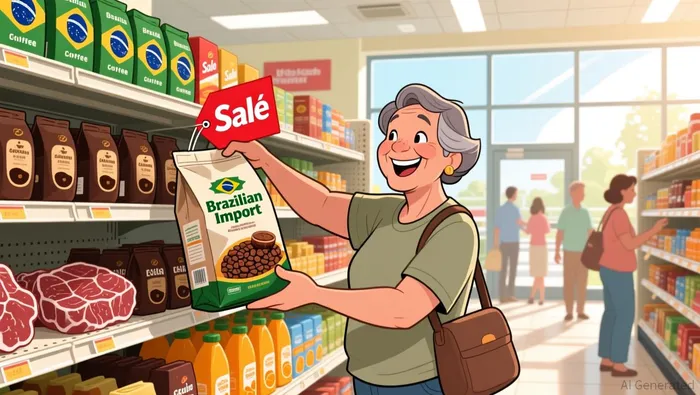
Analysts note the exemption for Peru and Asian countries, which now export coffee to the U.S. tax-free, will likely shift market share away from Brazil, the world's largest coffee exporter. Brazilian coffee exporters have warned of lost competitiveness, with shipments to the U.S. declining 55% since tariffs were imposed, according to industry representatives.
The order also extends tariff relief to beef and orange juice, commodities where Brazil holds a dominant global position. The U.S. had previously imposed 50% tariffs on Brazilian goods, exacerbating shortages and inflating prices during a period of strained domestic supply chains. The White House cited progress in trade negotiations and input from advisors as reasons for the modification, though some tariffs on Brazil remain in place for now. The changes align with Trump's broader strategy to reduce reciprocal duties on agricultural products, announced last week alongside agreements with Argentina, Guatemala, and Ecuador.
Market reactions were mixed. Vita Coco, a coconut water company reliant on Brazilian imports, announced reduced tariffs would lower its average import costs from 23% to 6%, boosting its stock by 3.8% in premarket trading. However, Brazilian agricultural exporters expressed frustration, with Cecafe, a coffee exporters' association, calling the partial exemption insufficient to restore competitiveness. The U.S. coffee industry, meanwhile, welcomed the move, with the National Coffee Association highlighting reduced input costs for roasters and retailers.
The executive order underscores Trump's balancing act between domestic economic pressures and diplomatic negotiations. While the tariff cuts may provide short-term relief for consumers, the lingering 40% duty on Brazilian coffee highlights unresolved tensions. Brazil's government has signaled it will continue seeking a full resolution, as the two nations navigate complex trade dynamics amid global supply chain disruptions.







Comentarios
Aún no hay comentarios