
"Trump Tariff Chaos Rattles Global Stock Markets"
Generado por agente de IATheodore Quinn
martes, 11 de marzo de 2025, 5:49 pm ET1 min de lectura
The recent volatility in U.S. stock markets has sent shockwaves through global financial systems, with the S&P 500 and Nasdaq Composite indices declining by -8.54% and -12.9%, respectively, from their highs on February 19, 2025, through March 10, 2025. The culprit? Trump's tariff policies, which have fostered an environment of uncertainty, driving investor sentiment from post-election optimism to renewed concerns over tariffs, inflation, and government layoffs.
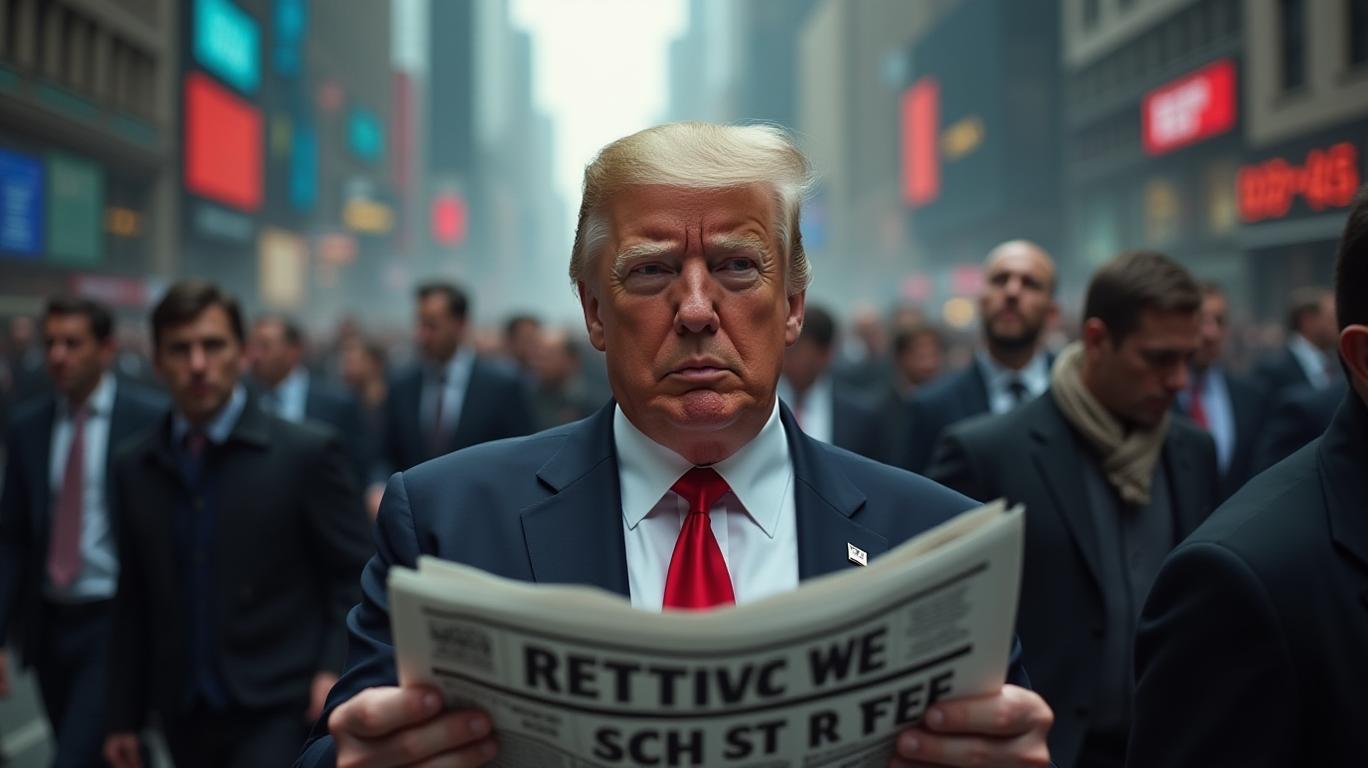
The technology sector, in particular, has experienced significant volatility. This is not surprising, given the sector's sensitivity to trade tensions and regulatory changes. The recent decline in consumer sentiment and rising inflation expectations have added fuel to the fire, with five-year inflation expectations rising to 3.5% – the highest since 1995. This increase in inflation expectations can strain household budgets, leading to reduced consumer spending, which is a critical driver of economic momentum.
But it's not all doom and gloom. While the current market volatility is a natural part of the investment journey, history reminds us that markets do not always move in lockstep with economic forecasts. The rapid recoveries following the downturns of 2020 and 2022 serve as a testament to the market’s ability to rebound, often sooner than expected.
So, what should investors do? Maintaining a long-term perspective is especially important during periods of economic uncertainty. Building portfolios that align with long-term financial objectives, rather than reacting to short-term economic shifts, has historically led to stronger investment outcomes. For instance, maintaining a diversified portfolio that includes both equities and bonds can help mitigate the risks associated with market volatility. Bonds have been rallying, which may reflect increased investment flows into the United States, providing a potential hedge against equity market declines.
In conclusion, while the current market volatility driven by tariff uncertainties is a natural part of the investment journey, it is important to stay focused on long-term goals rather than short-term volatility. Market fluctuations are an inherent part of the investment journey, even as markets tend to rise over time. Staying focused on the broader economic forces at play and maintaining a clear perspective on long-term investment goals is key to navigating periods of uncertainty.



Divulgación editorial y transparencia de la IA: Ainvest News utiliza tecnología avanzada de Modelos de Lenguaje Largo (LLM) para sintetizar y analizar datos de mercado en tiempo real. Para garantizar los más altos estándares de integridad, cada artículo se somete a un riguroso proceso de verificación con participación humana.
Mientras la IA asiste en el procesamiento de datos y la redacción inicial, un miembro editorial profesional de Ainvest revisa, verifica y aprueba de forma independiente todo el contenido para garantizar su precisión y cumplimiento con los estándares editoriales de Ainvest Fintech Inc. Esta supervisión humana está diseñada para mitigar las alucinaciones de la IA y garantizar el contexto financiero.
Advertencia sobre inversiones: Este contenido se proporciona únicamente con fines informativos y no constituye asesoramiento profesional de inversión, legal o financiero. Los mercados conllevan riesgos inherentes. Se recomienda a los usuarios que realicen una investigación independiente o consulten a un asesor financiero certificado antes de tomar cualquier decisión. Ainvest Fintech Inc. se exime de toda responsabilidad por las acciones tomadas con base en esta información. ¿Encontró un error? Reportar un problema


SOBRE NOSOTROS
Nuestra historiaAutores de noticiasBase de conocimientosPolítica de privacidadTérmino de usoDescargo de responsabilidad de corretaje de tercerosTérminos de uso de AIMEDivulgaciones de riesgos de AInvest AICarrerasCONTÁCTENOS
Email: support@ainvest.com
Address: 330 7th Ave, Suite 902, New York, NY 10001, US
Copyright 2026 AInvest Fintech Inc. All rights reserved.


Comentarios
Aún no hay comentarios