
Trump Signs GENIUS Act Requiring 100% Reserve Backing for Stablecoins
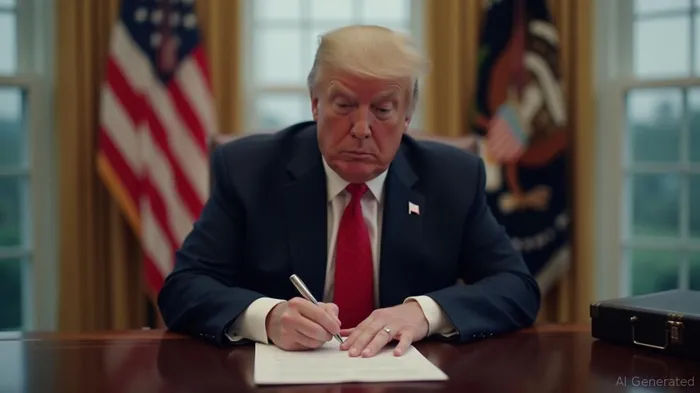
President Donald Trump signed the GENIUS Act into law on July 18, 2025, marking a pivotal moment in the regulation of cryptocurrencies in the United States. This legislation is specifically focused on stablecoins, a type of cryptocurrency that is pegged to stable assets such as the U.S. dollar. The primary goal of the GENIUS Act is to enhance consumer protection and to make stablecoins more accessible and mainstream.
The GENIUS Act, which received bipartisan support in both the House of Representatives and the Senate, outlines specific regulations for stablecoins. It facilitates the issuance of these coins by banks and other entities, thereby increasing public trust in the assets and fostering industry growth. Traditionally, stablecoins serve as a bridge currency, allowing users to convert their personal bank accounts into stablecoins and then trade them for more volatile cryptocurrencies like Bitcoin.
The signing of the GENIUS Act is the result of years of effort by Congress to bring clarity to payment stablecoins. President Trump, who has become increasingly supportive of cryptocurrencies, has pushed for Congress to address the issue. He has promoted himself as the most crypto-friendly commander in chief and has actively supported the industry, even launching his own crypto meme coin earlier this year. At the signing ceremony, Trump emphasized his commitment to making the United States the global leader in cryptocurrency.
Despite the bipartisan support, some Democrats expressed concerns about the bill. They argued that it does not provide the federal government with the full authority needed to regulate stablecoins effectively. Additionally, there were concerns about potential conflicts of interest, given the Trump family's involvement in the cryptocurrency marketplace. A company associated with the Trump family owns a significant stake in World Liberty Financial, which launched its own stablecoin, USD1, this spring.
The GENIUS Act will take some time to implement fully. Federal regulators will have six months to develop specific regulations following the president's signature. This delay is necessary to ensure that the new framework is comprehensive and effective in protecting consumers and promoting industry growth.
The GENIUS Act requires stablecoins to have 100% reserve backing, impacting major dollar-backed cryptocurrencies. The Senate Banking Committee led the bill, establishing requirements for stablecoin issuers. Regulatory measures were notably supported by crypto industry leaders, ensuring significant industry engagement. The Act has set a precedent for stablecoin regulation, potentially attracting global capital to the U.S. crypto market. Financial institutionsFISI-- may benefit from increased regulatory clarity. The Act requires enhanced disclosure and auditing for large issuers, promoting transparency. This move may deter non-compliant stablecoin activities, aligning federal and state frameworks.
Comparable to the Bitcoin ETF approvals in 2024, the GENIUS Act marks pivotal U.S. crypto regulation. Historical precedents suggest increased market stability and investment. Expected outcomes include increased stablecoin usage and a shift towards compliance. This aligns with past trends seen with new crypto-friendly legislation at state levels. The signing of the GENIUS Act is a significant step forward in the regulation of cryptocurrencies in the United States. It establishes a clear regulatory framework for stablecoins, which are expected to play a crucial role in the future of digital finance. The legislation is a testament to the growing importance of cryptocurrencies and the need for robust regulatory oversight to protect consumers and foster industry growth.







Comentarios
Aún no hay comentarios