
Trump Signs GENIUS Act Establishing Stablecoin Regulation
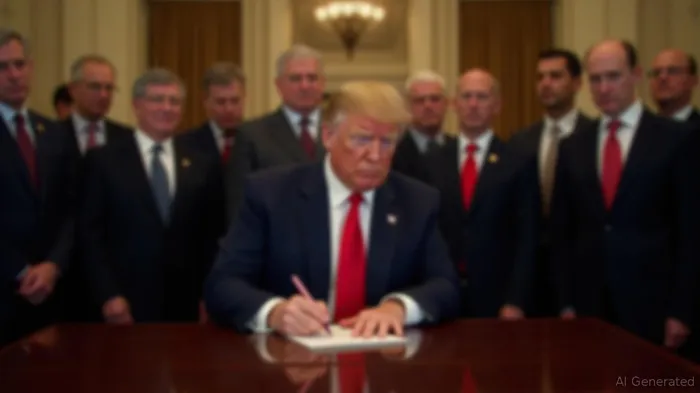
On July 18, 2025, President Donald Trump signed the GENIUS Act into law, establishing a comprehensive regulatory framework for stablecoins in the United States. This legislation marks a significant milestone in the regulation of cryptocurrencies, aiming to create legal clarity for stablecoins and fulfill Trump's promise of making the U.S. a leader in digital currency regulation.
The GENIUS Act provides clear guidelines for banks and other financial institutionsFISI-- to issue stablecoins, ensuring that these digital currencies are backed "one-for-one" with real U.S. assets. This regulatory clarity is designed to make stablecoins more accessible and mainstream, thereby enhancing their legitimacy and usability. The bill received bipartisan support in both the House of Representatives and the Senate, indicating a consensus on the need for regulatory oversight in the rapidly evolving cryptocurrency landscape.
Trump emphasized that the GENIUS Act aligns with his vision of making the United States the global leader in the cryptocurrency industry. "I pledged that we would bring back American liberty and leadership and make the United States the crypto capital of the world. And that's what we've done under the Trump administration," he stated during the signing ceremony. The legislation is part of a broader effort by the Trump administration to position the United States at the forefront of digital assetDAAQ-- innovation.
Earlier this year, Trump signed an Executive Order establishing a Strategic Bitcoin Reserve and a U.S. Digital Asset Stockpile. These initiatives, along with the GENIUS Act, are designed to create a robust regulatory environment that supports the growth of the cryptocurrency industry while protecting consumers and maintaining financial stability. The GENIUS Act also addresses concerns about the potential misuse of stablecoins for anonymous transactions and the promotion of personal coins by public officials.
While many Democrats supported the bill, some expressed reservations about its ability to prevent conflicts of interest. Despite these concerns, the GENIUS Act represents a significant step forward in the regulation of cryptocurrencies. The law will take effect six months after its signing, during which federal regulators will develop specific regulations to implement the new framework. This period will be crucial in shaping the future of stablecoins and the broader cryptocurrency industry in the United States.
The passage of the GENIUS Act is expected to have far-reaching implications for the cryptocurrency market. By providing a clear regulatory framework, the legislation aims to increase public trust in stablecoins and encourage their wider adoption. This, in turn, could lead to greater innovation and investment in the cryptocurrency industry, further solidifying the United States' position as a global leader in digital asset technology.
The GENIUS Act's clear framework for stablecoins differs from past regulatory attempts, marking a historic regulatory shift. The legislation is positioned to enhance trust and accelerate market integration, potentially fueling future DeFi growth. The signing of the GENIUS Act was attended by crypto executives, including those from major firms, indicating broad industry support.







Comentarios
Aún no hay comentarios