
Trump's Security-First Immigration Shift Sparks Political and Humanitarian Rifts
President Donald Trump has escalated his immigration crackdown following the fatal shooting of two National Guard members in Washington, D.C., with new policies targeting Afghan immigrants and a broader review of refugees admitted under Joe Biden. The move, announced by USCIS, halts all immigration applications from Afghanistan indefinitely while the administration reassesses vetting protocols. The suspect, identified as an Afghan national, who entered the U.S. in 2021 under Biden's Operation Allies Welcome program, has intensified political and public debate over immigration security.
The administration's actions align with a broader strategy to prioritize national security over humanitarian considerations. Trump has directed a comprehensive review of 200,000 refugees admitted between January 2021 and February 2025, potentially requiring re-interviews and revoking approvals for those deemed insufficiently vetted. This follows a memo from USCIS criticizing the Biden administration for prioritizing "expediency, quantity, and admissions over quality interviews and detailed screening". Critics, including refugee advocacy groups, argue that the process is a "travesty" that undermines decades of bipartisan support for the U.S. Refugee Admissions Program.
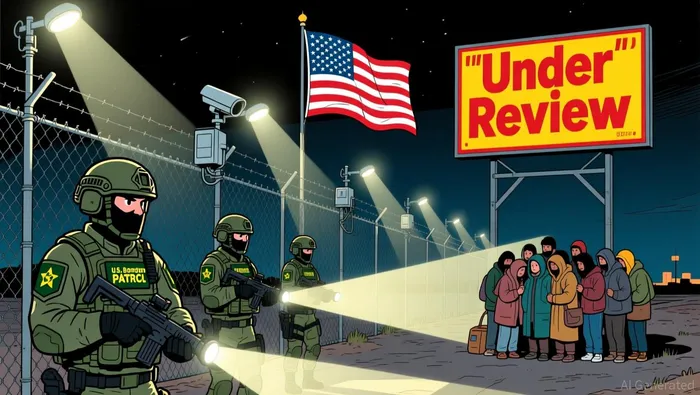 The shift in policy has also exacerbated tensions with Latino communities, where Trump's support has historically been low. A Pew Research Center survey reveals that 68% of U.S. Latinos believe their situation has worsened under Trump, with 80% disapproving of his administration's immigration policies. The report highlights growing concerns over deportation efforts and economic hardship, with 61% of Latinos attributing deteriorating economic conditions to Trump's policies. These findings underscore a deepening divide, as 81% of Latino Trump voters approve of his job performance, while only 27% of all Latino voters do.
In parallel, Trump has taken a hardline stance against Muslim Brotherhood-linked groups, signing an executive order to evaluate whether chapters in Lebanon, Egypt, and Jordan should be designated as terrorist organizations according to Reuters. This move reflects his administration's broader focus on countering perceived transnational threats, even as it faces criticism for inflaming religious and ethnic tensions.
The fallout from the National Guard shooting has also strained U.S. relations with South Africa, after Trump withdrew the country's G20 invitation over "false genocide claims" and redirected refugee slots to Afrikaners. While the administration frames these policies as necessary for national security, advocates for Afghan and other refugee communities warn of long-term consequences, including eroded trust in U.S. humanitarian commitments.
As the administration presses forward with its agenda, the political implications are clear. Pew Research Center director Mark Lopez notes that such policies could reshape electoral dynamics, particularly in 2026 midterms where Latino votes may play a pivotal role. Meanwhile, the suspension of Afghan immigration and the refugee review process remain contentious, with critics arguing they risk repeating past mistakes that left thousands stranded in limbo according to NBC News.







Comentarios
Aún no hay comentarios