
Trump's Vow: Blocking Nippon Steel's Bid for U.S. Steel
Generado por agente de IAWesley Park
lunes, 2 de diciembre de 2024, 11:35 pm ET1 min de lectura
SQ--
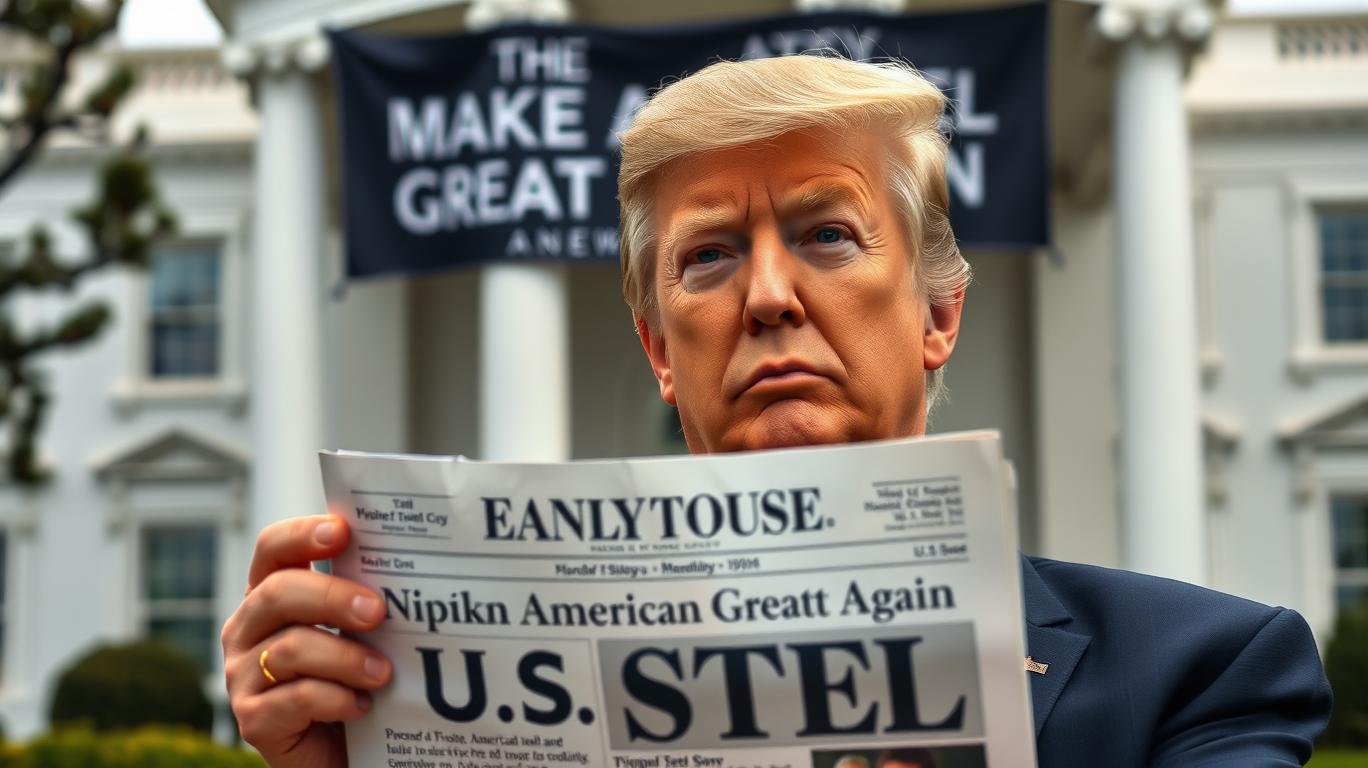
In a recent statement, former U.S. President and 2024 presidential candidate Donald Trump has reiterated his intention to block the acquisition of U.S. Steel by Japan's Nippon Steel. This move, if successful, could have significant implications for both companies, the U.S. steel industry, and international trade relations.
Trump, known for his protectionist stance, argues that the deal would compromise U.S. national security and job security. He has pledged to use tax incentives and tariffs to strengthen U.S. Steel domestically, rather than allowing a foreign company to take control. The proposed acquisition, valued at over $14 billion, has faced opposition from various fronts, including labor unions and the current Biden administration.
If Trump succeeds in blocking the deal, U.S. Steel may need to explore alternative growth strategies. These could include partnerships, organic growth, or mergers with domestic companies. U.S. Steel could also invest in advanced technologies and sustainability initiatives to enhance its offerings and appeal to environmentally conscious consumers. Additionally, strategic tax incentives and tariffs, as Trump suggested, could support the domestic steel industry's growth and profitability.
However, a blocked acquisition could also have negative consequences for U.S. Steel's financial stability and global competitiveness. With a combined capacity of up to 86 million tons, the merger would have provided significant economies of scale and potentially increased profitability. Without this partnership, U.S. Steel may struggle to maintain competitiveness against larger global competitors.
The potential job and economic consequences for U.S. Steel's employees and communities are also significant. Trump's vow to block the deal could create uncertainty for U.S. Steel's future and the jobs of its employees, potentially impacting local economies in Pennsylvania and other Rust Belt states. Nippon Steel has argued that the acquisition would revitalize the Rust Belt and enhance U.S. national security, but critics worry about job cuts and increased foreign control.
Moreover, a blocked acquisition could hinder U.S. Steel's ability to innovate and invest in new technologies. Nippon Steel brings significant resources and expertise to the table, which could have accelerated U.S. Steel's adoption of new technologies and enhanced its competitiveness. Without this partnership, U.S. Steel may struggle to keep pace with industry leaders in technological advancements and market trends, potentially impacting its long-term profitability and shareholder value.
In conclusion, Trump's vow to block Nippon Steel's bid for U.S. Steel raises important questions about the future of the U.S. steel industry, international trade relations, and job security. As the political landscape continues to evolve, investors and stakeholders should closely monitor these developments to better understand the potential impacts on their portfolios and the broader economy.
In a recent statement, former U.S. President and 2024 presidential candidate Donald Trump has reiterated his intention to block the acquisition of U.S. Steel by Japan's Nippon Steel. This move, if successful, could have significant implications for both companies, the U.S. steel industry, and international trade relations.
Trump, known for his protectionist stance, argues that the deal would compromise U.S. national security and job security. He has pledged to use tax incentives and tariffs to strengthen U.S. Steel domestically, rather than allowing a foreign company to take control. The proposed acquisition, valued at over $14 billion, has faced opposition from various fronts, including labor unions and the current Biden administration.
If Trump succeeds in blocking the deal, U.S. Steel may need to explore alternative growth strategies. These could include partnerships, organic growth, or mergers with domestic companies. U.S. Steel could also invest in advanced technologies and sustainability initiatives to enhance its offerings and appeal to environmentally conscious consumers. Additionally, strategic tax incentives and tariffs, as Trump suggested, could support the domestic steel industry's growth and profitability.
However, a blocked acquisition could also have negative consequences for U.S. Steel's financial stability and global competitiveness. With a combined capacity of up to 86 million tons, the merger would have provided significant economies of scale and potentially increased profitability. Without this partnership, U.S. Steel may struggle to maintain competitiveness against larger global competitors.
The potential job and economic consequences for U.S. Steel's employees and communities are also significant. Trump's vow to block the deal could create uncertainty for U.S. Steel's future and the jobs of its employees, potentially impacting local economies in Pennsylvania and other Rust Belt states. Nippon Steel has argued that the acquisition would revitalize the Rust Belt and enhance U.S. national security, but critics worry about job cuts and increased foreign control.
Moreover, a blocked acquisition could hinder U.S. Steel's ability to innovate and invest in new technologies. Nippon Steel brings significant resources and expertise to the table, which could have accelerated U.S. Steel's adoption of new technologies and enhanced its competitiveness. Without this partnership, U.S. Steel may struggle to keep pace with industry leaders in technological advancements and market trends, potentially impacting its long-term profitability and shareholder value.
In conclusion, Trump's vow to block Nippon Steel's bid for U.S. Steel raises important questions about the future of the U.S. steel industry, international trade relations, and job security. As the political landscape continues to evolve, investors and stakeholders should closely monitor these developments to better understand the potential impacts on their portfolios and the broader economy.

Divulgación editorial y transparencia de la IA: Ainvest News utiliza tecnología avanzada de Modelos de Lenguaje Largo (LLM) para sintetizar y analizar datos de mercado en tiempo real. Para garantizar los más altos estándares de integridad, cada artículo se somete a un riguroso proceso de verificación con participación humana.
Mientras la IA asiste en el procesamiento de datos y la redacción inicial, un miembro editorial profesional de Ainvest revisa, verifica y aprueba de forma independiente todo el contenido para garantizar su precisión y cumplimiento con los estándares editoriales de Ainvest Fintech Inc. Esta supervisión humana está diseñada para mitigar las alucinaciones de la IA y garantizar el contexto financiero.
Advertencia sobre inversiones: Este contenido se proporciona únicamente con fines informativos y no constituye asesoramiento profesional de inversión, legal o financiero. Los mercados conllevan riesgos inherentes. Se recomienda a los usuarios que realicen una investigación independiente o consulten a un asesor financiero certificado antes de tomar cualquier decisión. Ainvest Fintech Inc. se exime de toda responsabilidad por las acciones tomadas con base en esta información. ¿Encontró un error? Reportar un problema


SOBRE NOSOTROS
Nuestra historiaAutores de noticiasBase de conocimientosPolítica de privacidadTérmino de usoDescargo de responsabilidad de corretaje de tercerosTérminos de uso de AIMEDivulgaciones de riesgos de AInvest AICarrerasCONTÁCTENOS
Email: support@ainvest.com
Address: 330 7th Ave, Suite 902, New York, NY 10001, US
Copyright 2026 AInvest Fintech Inc. All rights reserved.


Comentarios
Aún no hay comentarios