
Trump's Tax Incentives and Tariffs: A Boost for US Steel?
Generado por agente de IAEli Grant
lunes, 2 de diciembre de 2024, 9:44 pm ET1 min de lectura
President Trump's administration has implemented a series of tax incentives and tariffs aimed at strengthening the US steel industry. The question is, have these policies had the desired effect, and what does the future hold for this critical sector?
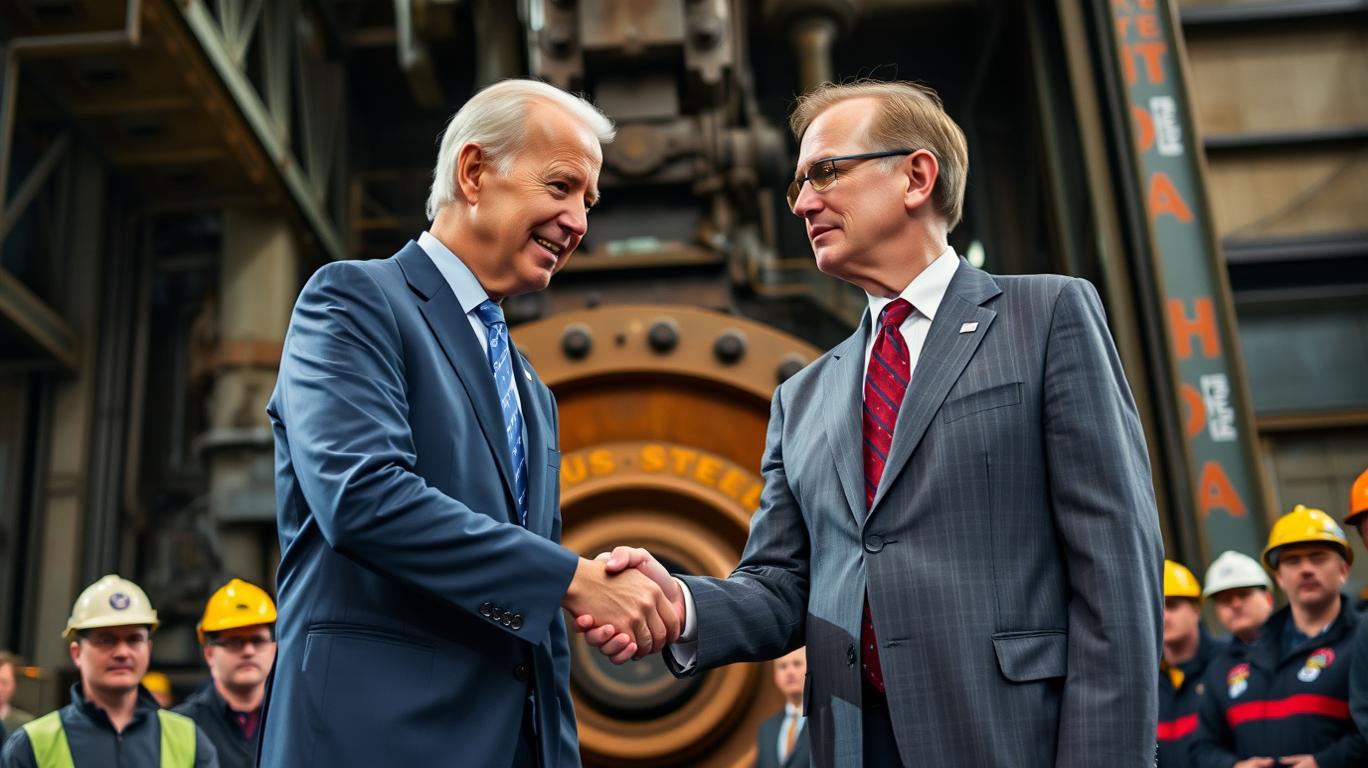
The Trump administration's policies have certainly had an impact on the steel industry. According to the Peterson Institute for International Economics, the Section 232 tariffs on steel and aluminum have resulted in a modest increase in employment in the steel-producing industries. However, the cost of these jobs has been high, with an estimated $650,000 being spent per job saved.
On the other hand, the tariffs have increased the average prices of steel and aluminum by 2.4% and 1.6%, respectively, disproportionately hurting downstream industries that rely on these materials. The US International Trade Commission found that the tariffs reduced employment in the steel-consuming sector by 18,000 to 40,000 jobs, while saving only 1,500 to 5,000 jobs in the steel-producing industry.
In the long run, the impact of Trump's policies on the US steel industry's competitiveness is less clear. While the tariffs initially boosted domestic steel prices and production, they also led to retaliation from trading partners, increasing costs for US steel-consuming industries. Additionally, the effectiveness of tax incentives in spurring long-term growth in the sector remains to be seen.
In conclusion, while President Trump's tax incentives and tariffs have had some impact on the US steel industry, their overall effectiveness is a subject of debate. As the industry faces ongoing challenges and opportunities, investors and policymakers would be wise to consider a balanced approach that addresses both the short-term needs and long-term sustainability of the sector.
Word count: 597



Divulgación editorial y transparencia de la IA: Ainvest News utiliza tecnología avanzada de Modelos de Lenguaje Largo (LLM) para sintetizar y analizar datos de mercado en tiempo real. Para garantizar los más altos estándares de integridad, cada artículo se somete a un riguroso proceso de verificación con participación humana.
Mientras la IA asiste en el procesamiento de datos y la redacción inicial, un miembro editorial profesional de Ainvest revisa, verifica y aprueba de forma independiente todo el contenido para garantizar su precisión y cumplimiento con los estándares editoriales de Ainvest Fintech Inc. Esta supervisión humana está diseñada para mitigar las alucinaciones de la IA y garantizar el contexto financiero.
Advertencia sobre inversiones: Este contenido se proporciona únicamente con fines informativos y no constituye asesoramiento profesional de inversión, legal o financiero. Los mercados conllevan riesgos inherentes. Se recomienda a los usuarios que realicen una investigación independiente o consulten a un asesor financiero certificado antes de tomar cualquier decisión. Ainvest Fintech Inc. se exime de toda responsabilidad por las acciones tomadas con base en esta información. ¿Encontró un error? Reportar un problema


SOBRE NOSOTROS
Nuestra historiaAutores de noticiasBase de conocimientosPolítica de privacidadTérmino de usoDescargo de responsabilidad de corretaje de tercerosTérminos de uso de AIMEDivulgaciones de riesgos de AInvest AICarrerasCONTÁCTENOS
Email: support@ainvest.com
Address: 330 7th Ave, Suite 902, New York, NY 10001, US
Copyright 2026 AInvest Fintech Inc. All rights reserved.


Comentarios
Aún no hay comentarios