
Trump's Tariffs: A Detour from Economic 'Natural Course'
Generado por agente de IAEli Grant
martes, 26 de noviembre de 2024, 6:20 pm ET1 min de lectura
AAPL--
CAT--
GM--
The return of "Tariff Man" has sparked discussions about the potential implications of President-elect Donald Trump's proposed tariffs on the U.S. economy. Economists, however, warn that these measures may not align with the economy's "natural course," potentially leading to unintended consequences. This article explores the possible impacts of Trump's tariffs on trade, inflation, and consumer prices, as well as the shifts in global supply chains and international trade dynamics.
Trump's proposed tariffs on Mexico, Canada, and China could increase the U.S. trade deficit, making imported goods more expensive and reducing exports. This shift may lead to a decrease in the value of the U.S. dollar. However, the extent of these effects depends on how other countries respond to the tariffs.
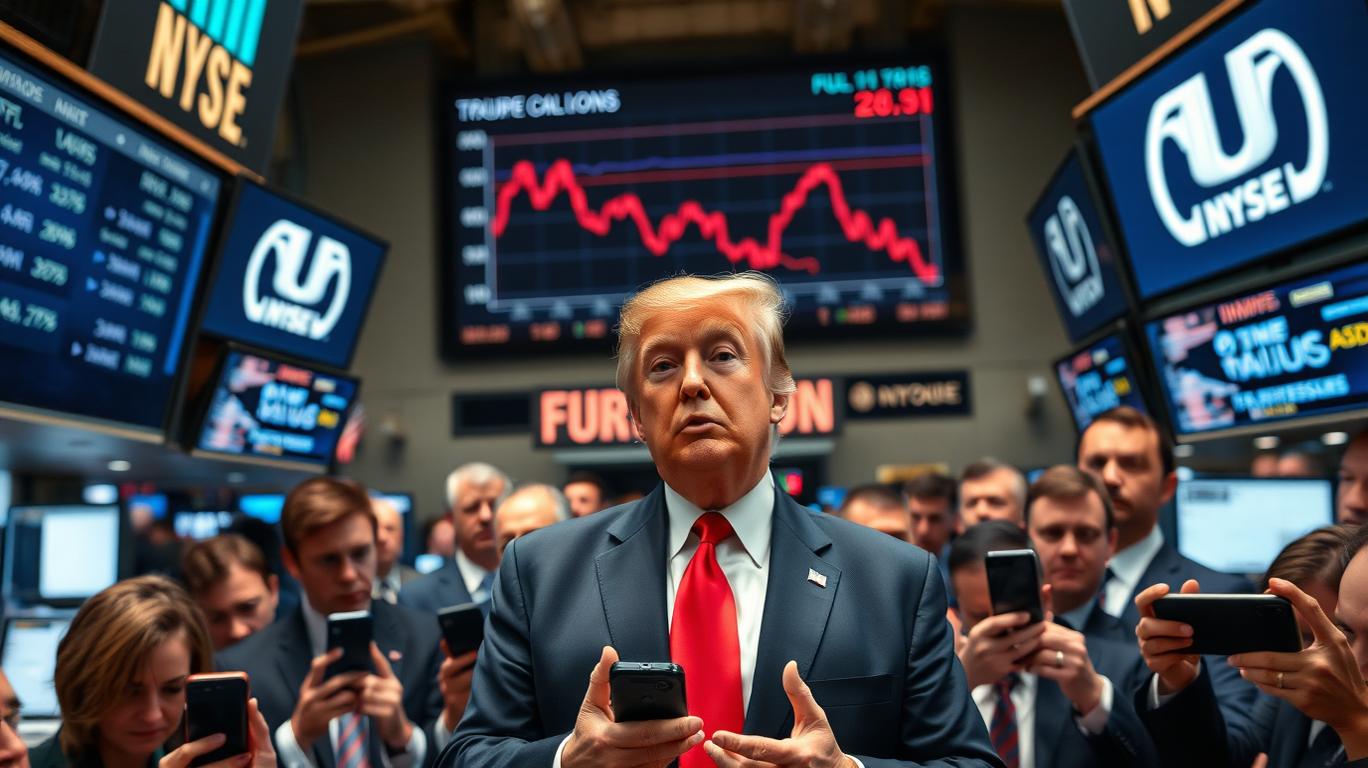
The tariffs could provoke retaliatory actions from the targeted countries, impacting U.S. exporters. According to a study by the Tax Foundation, Trump's proposed tariffs could lead to $23 billion in retaliatory tariffs on U.S. exports. For instance, Mexico has threatened to retaliate against U.S. exports of pork, beef, cheese, and fruit.
The implementation of these tariffs could also impact consumer prices and inflation in the U.S. economy. High Frequency Economics estimates that Trump's proposed tariffs could raise prices for consumers, particularly in energy, autos, and food. This could result in a one-time inflationary impact, with inflation potentially rising by up to 0.7% on the consumer price index.
Tariffs make imports more expensive, diverting spending to domestic production and to imports from countries that aren't affected by the levies. This implies higher prices in the country imposing the tariffs and lower growth in both the tariff-imposing country and those hit by the tariffs. Evidence from the U.S.-China trade war shows that tariffs can have a big negative impact on bilateral trade flows, with every 1-percentage-point rise in tariffs cutting imports from China by 2.5%.
Industries heavily reliant on imports from Mexico, Canada, and China, such as automobiles, machinery, and energy, would be particularly vulnerable to these tariffs. Companies like General Motors, Apple, and Caterpillar, operating in these sectors, may face challenges due to higher input costs and reduced sales from increased prices.
Economists warn that Trump's tariffs may not be the "natural course" for the economy, potentially leading to unintended consequences such as higher prices for consumers, reduced economic growth, and shifts in global supply chains. Investors should carefully monitor the situation and consider the potential impacts on their portfolios.
As the new administration takes office, it will be crucial to assess the potential effects of Trump's tariffs on the U.S. economy and international trade. A balanced and analytical approach to investing, considering multiple perspectives and factors, will be essential for navigating the complex landscape of market trends and political events.
Trump's proposed tariffs on Mexico, Canada, and China could increase the U.S. trade deficit, making imported goods more expensive and reducing exports. This shift may lead to a decrease in the value of the U.S. dollar. However, the extent of these effects depends on how other countries respond to the tariffs.
The tariffs could provoke retaliatory actions from the targeted countries, impacting U.S. exporters. According to a study by the Tax Foundation, Trump's proposed tariffs could lead to $23 billion in retaliatory tariffs on U.S. exports. For instance, Mexico has threatened to retaliate against U.S. exports of pork, beef, cheese, and fruit.
The implementation of these tariffs could also impact consumer prices and inflation in the U.S. economy. High Frequency Economics estimates that Trump's proposed tariffs could raise prices for consumers, particularly in energy, autos, and food. This could result in a one-time inflationary impact, with inflation potentially rising by up to 0.7% on the consumer price index.
Tariffs make imports more expensive, diverting spending to domestic production and to imports from countries that aren't affected by the levies. This implies higher prices in the country imposing the tariffs and lower growth in both the tariff-imposing country and those hit by the tariffs. Evidence from the U.S.-China trade war shows that tariffs can have a big negative impact on bilateral trade flows, with every 1-percentage-point rise in tariffs cutting imports from China by 2.5%.
Industries heavily reliant on imports from Mexico, Canada, and China, such as automobiles, machinery, and energy, would be particularly vulnerable to these tariffs. Companies like General Motors, Apple, and Caterpillar, operating in these sectors, may face challenges due to higher input costs and reduced sales from increased prices.
Economists warn that Trump's tariffs may not be the "natural course" for the economy, potentially leading to unintended consequences such as higher prices for consumers, reduced economic growth, and shifts in global supply chains. Investors should carefully monitor the situation and consider the potential impacts on their portfolios.
As the new administration takes office, it will be crucial to assess the potential effects of Trump's tariffs on the U.S. economy and international trade. A balanced and analytical approach to investing, considering multiple perspectives and factors, will be essential for navigating the complex landscape of market trends and political events.

Divulgación editorial y transparencia de la IA: Ainvest News utiliza tecnología avanzada de Modelos de Lenguaje Largo (LLM) para sintetizar y analizar datos de mercado en tiempo real. Para garantizar los más altos estándares de integridad, cada artículo se somete a un riguroso proceso de verificación con participación humana.
Mientras la IA asiste en el procesamiento de datos y la redacción inicial, un miembro editorial profesional de Ainvest revisa, verifica y aprueba de forma independiente todo el contenido para garantizar su precisión y cumplimiento con los estándares editoriales de Ainvest Fintech Inc. Esta supervisión humana está diseñada para mitigar las alucinaciones de la IA y garantizar el contexto financiero.
Advertencia sobre inversiones: Este contenido se proporciona únicamente con fines informativos y no constituye asesoramiento profesional de inversión, legal o financiero. Los mercados conllevan riesgos inherentes. Se recomienda a los usuarios que realicen una investigación independiente o consulten a un asesor financiero certificado antes de tomar cualquier decisión. Ainvest Fintech Inc. se exime de toda responsabilidad por las acciones tomadas con base en esta información. ¿Encontró un error? Reportar un problema


SOBRE NOSOTROS
Nuestra historiaAutores de noticiasBase de conocimientosPolítica de privacidadTérmino de usoDescargo de responsabilidad de corretaje de tercerosTérminos de uso de AIMEDivulgaciones de riesgos de AInvest AICarrerasCONTÁCTENOS
Email: support@ainvest.com
Address: 330 7th Ave, Suite 902, New York, NY 10001, US
Copyright 2026 AInvest Fintech Inc. All rights reserved.


Comentarios
Aún no hay comentarios