
Trump's Steel Stance: A Tariff Timeline and Market Implications
Generado por agente de IAEli Grant
lunes, 2 de diciembre de 2024, 11:14 pm ET1 min de lectura
AIG--
Former President Donald Trump has once again reiterated his opposition to the proposed sale of U.S. Steel to Japan's Nippon Steel, vowing to block the deal if re-elected. Trump's pledge to fix tariffs on foreign steel imports has sparked discussions on the potential market impacts and strategic considerations. This article explores Trump's stance on the U.S. Steel sale, the potential market disruptions, and the influence on international relations.
Trump's opposition to the U.S. Steel sale aligns with his broader "America First" trade policies, prioritizing U.S. national security and jobs. By blocking the sale to Nippon Steel, Trump aims to maintain U.S. Steel's domestic ownership and control, ensuring strategic independence in the steel industry. However, this stance could strain international relations, as it counters the trend of U.S. allies investing in American industries.
The potential market disruptions and supply chain impacts of blocking the U.S. Steel sale are significant. U.S. Steel CEO David Burritt warned of job losses and plant closures if the deal is blocked. Trump's administration may address these issues by offering compensation, incentivizing domestic investment, or facilitating a domestic alternative buyer to maintain U.S. ownership and mitigate job losses.
Trump's pledge to fix tariffs could significantly enhance the competitiveness of U.S. Steel compared to foreign competitors. By blocking the sale to Nippon Steel and adjusting tariffs, Trump aims to maintain U.S. Steel's domestic ownership and operation, ensuring that profits and decision-making power remain in the U.S. This could provide U.S. Steel with a pricing advantage and encourage domestic consumption of American steel.
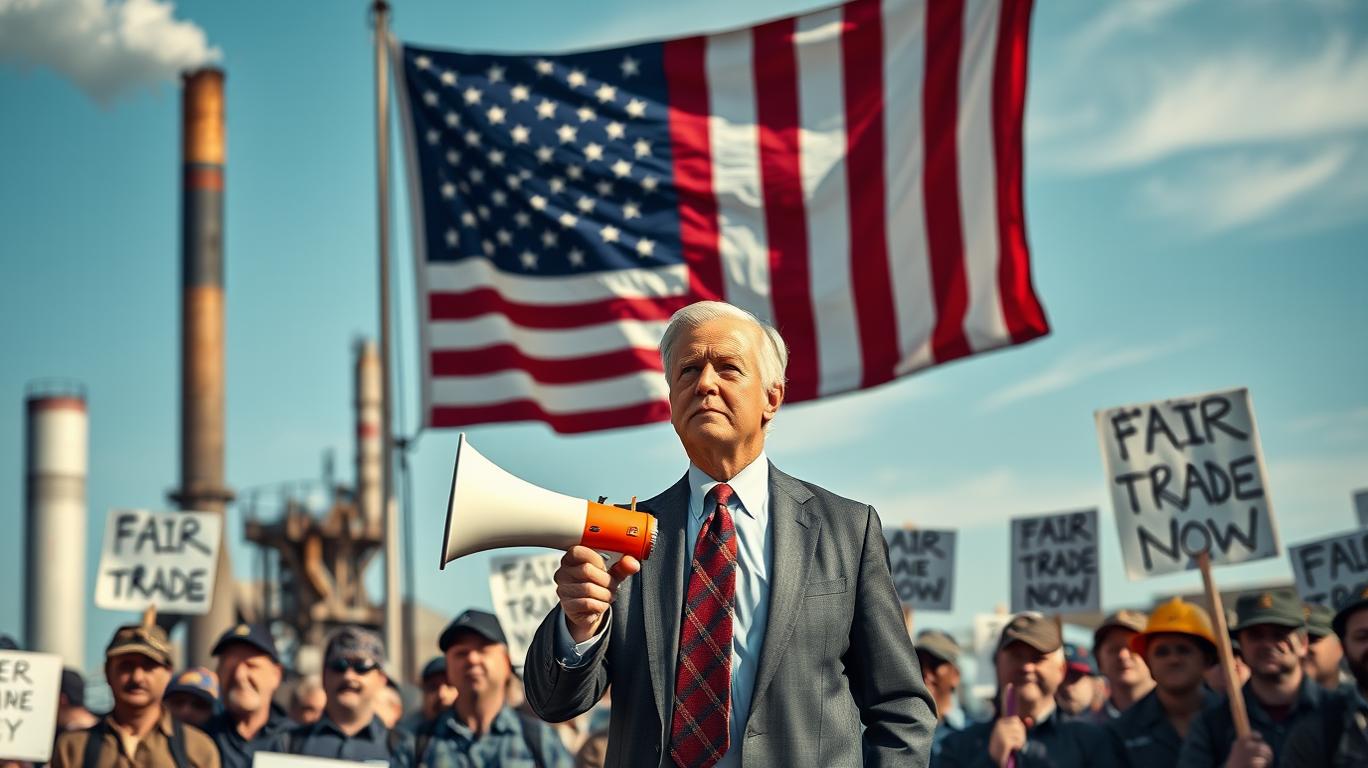
However, Trump's tariff fix could have significant implications for both domestic and international steel prices. By addressing the Section 232 tariffs, Trump may decrease the cost of importing steel, leading to increased competition for U.S. steel producers. This could result in a decrease in domestic steel prices, benefiting downstream industries like automakers and construction companies. However, cheaper steel imports could also lead to job losses in the U.S. steel industry.
Internationally, the tariff fix could alleviate tension between the U.S. and its trading partners, potentially reducing retaliatory tariffs and fostering a more open global market for steel. However, this could strain relations with key trading partners like Japan, which might retaliate with import tariffs or other trade restrictions.
In conclusion, Trump's reiteration of his opposition to the U.S. Steel sale and pledge to fix tariffs could have significant implications for the global steel trade dynamics, particularly relations with key trading partners like China and Japan. While Trump aims to protect domestic steel production and jobs, his actions could strain international relations and impact global steel prices and trade flows. Investors should closely monitor the evolving situation and adapt their strategies accordingly.
*Word count: 598*
Former President Donald Trump has once again reiterated his opposition to the proposed sale of U.S. Steel to Japan's Nippon Steel, vowing to block the deal if re-elected. Trump's pledge to fix tariffs on foreign steel imports has sparked discussions on the potential market impacts and strategic considerations. This article explores Trump's stance on the U.S. Steel sale, the potential market disruptions, and the influence on international relations.
Trump's opposition to the U.S. Steel sale aligns with his broader "America First" trade policies, prioritizing U.S. national security and jobs. By blocking the sale to Nippon Steel, Trump aims to maintain U.S. Steel's domestic ownership and control, ensuring strategic independence in the steel industry. However, this stance could strain international relations, as it counters the trend of U.S. allies investing in American industries.
The potential market disruptions and supply chain impacts of blocking the U.S. Steel sale are significant. U.S. Steel CEO David Burritt warned of job losses and plant closures if the deal is blocked. Trump's administration may address these issues by offering compensation, incentivizing domestic investment, or facilitating a domestic alternative buyer to maintain U.S. ownership and mitigate job losses.
Trump's pledge to fix tariffs could significantly enhance the competitiveness of U.S. Steel compared to foreign competitors. By blocking the sale to Nippon Steel and adjusting tariffs, Trump aims to maintain U.S. Steel's domestic ownership and operation, ensuring that profits and decision-making power remain in the U.S. This could provide U.S. Steel with a pricing advantage and encourage domestic consumption of American steel.
However, Trump's tariff fix could have significant implications for both domestic and international steel prices. By addressing the Section 232 tariffs, Trump may decrease the cost of importing steel, leading to increased competition for U.S. steel producers. This could result in a decrease in domestic steel prices, benefiting downstream industries like automakers and construction companies. However, cheaper steel imports could also lead to job losses in the U.S. steel industry.
Internationally, the tariff fix could alleviate tension between the U.S. and its trading partners, potentially reducing retaliatory tariffs and fostering a more open global market for steel. However, this could strain relations with key trading partners like Japan, which might retaliate with import tariffs or other trade restrictions.
In conclusion, Trump's reiteration of his opposition to the U.S. Steel sale and pledge to fix tariffs could have significant implications for the global steel trade dynamics, particularly relations with key trading partners like China and Japan. While Trump aims to protect domestic steel production and jobs, his actions could strain international relations and impact global steel prices and trade flows. Investors should closely monitor the evolving situation and adapt their strategies accordingly.
*Word count: 598*

Divulgación editorial y transparencia de la IA: Ainvest News utiliza tecnología avanzada de Modelos de Lenguaje Largo (LLM) para sintetizar y analizar datos de mercado en tiempo real. Para garantizar los más altos estándares de integridad, cada artículo se somete a un riguroso proceso de verificación con participación humana.
Mientras la IA asiste en el procesamiento de datos y la redacción inicial, un miembro editorial profesional de Ainvest revisa, verifica y aprueba de forma independiente todo el contenido para garantizar su precisión y cumplimiento con los estándares editoriales de Ainvest Fintech Inc. Esta supervisión humana está diseñada para mitigar las alucinaciones de la IA y garantizar el contexto financiero.
Advertencia sobre inversiones: Este contenido se proporciona únicamente con fines informativos y no constituye asesoramiento profesional de inversión, legal o financiero. Los mercados conllevan riesgos inherentes. Se recomienda a los usuarios que realicen una investigación independiente o consulten a un asesor financiero certificado antes de tomar cualquier decisión. Ainvest Fintech Inc. se exime de toda responsabilidad por las acciones tomadas con base en esta información. ¿Encontró un error? Reportar un problema


SOBRE NOSOTROS
Nuestra historiaAutores de noticiasBase de conocimientosPolítica de privacidadTérmino de usoDescargo de responsabilidad de corretaje de tercerosTérminos de uso de AIMEDivulgaciones de riesgos de AInvest AICarrerasCONTÁCTENOS
Email: support@ainvest.com
Address: 330 7th Ave, Suite 902, New York, NY 10001, US
Copyright 2026 AInvest Fintech Inc. All rights reserved.


Comentarios
Aún no hay comentarios