
Could Trump Really Return DOGE Savings to Taxpayers?
Generado por agente de IAWesley Park
jueves, 20 de febrero de 2025, 5:00 pm ET1 min de lectura
DOGE--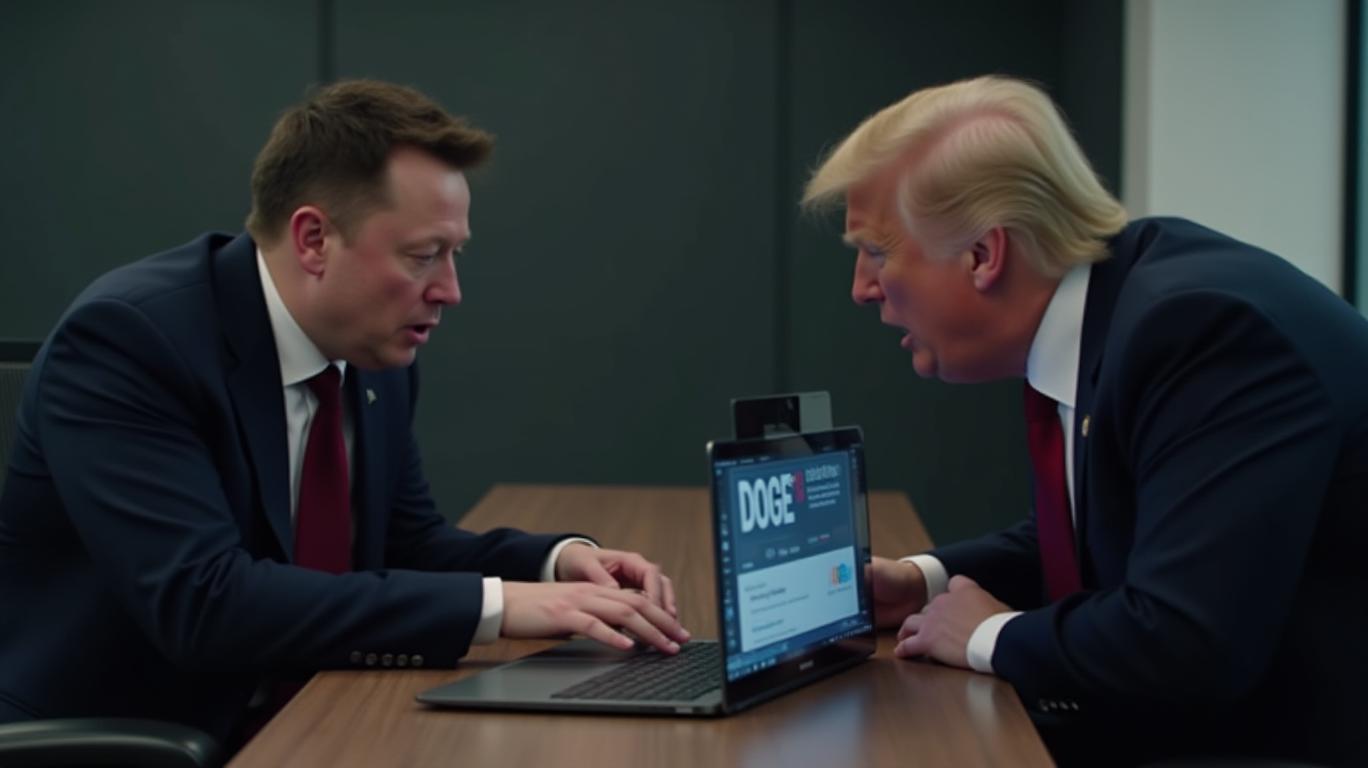
In a surprising turn of events, U.S. President Donald Trump has revealed that he's considering sending 20% of the money saved by the Department of Government Efficiency (DOGE) advisory group to Americans. This proposal, first floated on social media by James Fishback, CEO of the Azoria investment firm, has sparked debate about the feasibility and potential impact of such a move. As the head of DOGE, Elon Musk has estimated that the group has already cut $55 billion from the federal budget, but the true extent of the savings remains to be seen.
The proposal suggests that the refund checks would be distributed to the roughly 79 million households that pay income taxes, amounting to around $5,000 per household. This would total approximately $400 billion, with the remaining $1.6 trillion used to reduce the federal deficit. However, the feasibility of this plan depends on several factors, including the actual amount of savings achieved by DOGE and the political will to distribute the funds to taxpayers.
One of the main concerns surrounding this proposal is the potential impact on inflation. Trump and his economists have blamed Biden's $1,200 stimulus checks for fueling the worst spike in inflation in four decades. However, White House officials dismiss this concern, arguing that since the money would have been spent by the government anyway, having it spent by consumers would be a wash. Ernie Tedeschi, director of economics at the Yale Budget Lab, and an economist in the Biden White House, suggests that more government spending could actually help to reduce inflation by increasing the supply of goods and services.
Another critical aspect to consider is the transparency and accountability of the DOGE savings distribution process. To ensure that the savings are distributed fairly and effectively, several measures could be taken, such as hiring an independent auditor to verify the savings, making public the detailed data and methodology used to calculate the savings, and providing an opportunity for public comment before finalizing the distribution plan. Additionally, DOGE should establish a whistleblower protection program to encourage transparency and accountability within the organization.
In conclusion, the proposal to return DOGE savings to taxpayers is an intriguing idea that could provide a significant boost to consumer spending and potentially stimulate economic growth. However, the feasibility and potential impact of this plan depend on several factors, including the actual amount of savings achieved by DOGE, the potential impact on inflation, and the transparency and accountability of the distribution process. As the debate surrounding this proposal continues, it is essential to consider the potential benefits and challenges associated with such a move and to ensure that the savings are distributed fairly and effectively.
In a surprising turn of events, U.S. President Donald Trump has revealed that he's considering sending 20% of the money saved by the Department of Government Efficiency (DOGE) advisory group to Americans. This proposal, first floated on social media by James Fishback, CEO of the Azoria investment firm, has sparked debate about the feasibility and potential impact of such a move. As the head of DOGE, Elon Musk has estimated that the group has already cut $55 billion from the federal budget, but the true extent of the savings remains to be seen.
The proposal suggests that the refund checks would be distributed to the roughly 79 million households that pay income taxes, amounting to around $5,000 per household. This would total approximately $400 billion, with the remaining $1.6 trillion used to reduce the federal deficit. However, the feasibility of this plan depends on several factors, including the actual amount of savings achieved by DOGE and the political will to distribute the funds to taxpayers.
One of the main concerns surrounding this proposal is the potential impact on inflation. Trump and his economists have blamed Biden's $1,200 stimulus checks for fueling the worst spike in inflation in four decades. However, White House officials dismiss this concern, arguing that since the money would have been spent by the government anyway, having it spent by consumers would be a wash. Ernie Tedeschi, director of economics at the Yale Budget Lab, and an economist in the Biden White House, suggests that more government spending could actually help to reduce inflation by increasing the supply of goods and services.
Another critical aspect to consider is the transparency and accountability of the DOGE savings distribution process. To ensure that the savings are distributed fairly and effectively, several measures could be taken, such as hiring an independent auditor to verify the savings, making public the detailed data and methodology used to calculate the savings, and providing an opportunity for public comment before finalizing the distribution plan. Additionally, DOGE should establish a whistleblower protection program to encourage transparency and accountability within the organization.
In conclusion, the proposal to return DOGE savings to taxpayers is an intriguing idea that could provide a significant boost to consumer spending and potentially stimulate economic growth. However, the feasibility and potential impact of this plan depend on several factors, including the actual amount of savings achieved by DOGE, the potential impact on inflation, and the transparency and accountability of the distribution process. As the debate surrounding this proposal continues, it is essential to consider the potential benefits and challenges associated with such a move and to ensure that the savings are distributed fairly and effectively.


Divulgación editorial y transparencia de la IA: Ainvest News utiliza tecnología avanzada de Modelos de Lenguaje Largo (LLM) para sintetizar y analizar datos de mercado en tiempo real. Para garantizar los más altos estándares de integridad, cada artículo se somete a un riguroso proceso de verificación con participación humana.
Mientras la IA asiste en el procesamiento de datos y la redacción inicial, un miembro editorial profesional de Ainvest revisa, verifica y aprueba de forma independiente todo el contenido para garantizar su precisión y cumplimiento con los estándares editoriales de Ainvest Fintech Inc. Esta supervisión humana está diseñada para mitigar las alucinaciones de la IA y garantizar el contexto financiero.
Advertencia sobre inversiones: Este contenido se proporciona únicamente con fines informativos y no constituye asesoramiento profesional de inversión, legal o financiero. Los mercados conllevan riesgos inherentes. Se recomienda a los usuarios que realicen una investigación independiente o consulten a un asesor financiero certificado antes de tomar cualquier decisión. Ainvest Fintech Inc. se exime de toda responsabilidad por las acciones tomadas con base en esta información. ¿Encontró un error? Reportar un problema




Comentarios
Aún no hay comentarios