
Trump Pushes for Direct Iran Talks Amid Diplomatic Tensions
U.S. President Donald Trump has expressed his belief that Iran is willing to engage in direct negotiations over its nuclear program. This statement comes after a series of diplomatic exchanges between the two nations, with Trump advocating for a more direct approach to resolving the nuclear issue. Trump, speaking from "Air Force One," stated that he prefers one-on-one dialogue with Iran, believing it to be more efficient and effective in understanding each other's positions. He mentioned, "No more letter exchanges, I think they want direct dialogue."
Trump's comments follow Iran's indication that it might be open to negotiations through intermediaries. The Iranian Foreign Ministry's official Telegram channelCHRO-- reported that Iranian Foreign Minister Abbas Araghchi, during a phone call with Dutch Foreign Minister Caspar Veldkamp, expressed Iran's readiness to engage in "real negotiations in an equal manner through indirect means." This stance contrasts with Trump's preference for direct talks, which he believes would expedite the process and provide a clearer understanding of Iran's intentions.
Trump's approach to the negotiations reflects his administration's strategy of applying maximum pressure on Iran, including economic sanctions and military deployments in the region. This pressure is aimed at pushing Iran to the negotiating table. However, Iran has consistently rejected the idea of direct bilateral talks, proposing instead indirect negotiations through intermediaries such as Oman and Switzerland, which have been facilitating the exchange of messages between the two countries.
The complex nature of the U.S.-Iran nuclear negotiations has been further complicated by the involvement of other regional powers. While some countries, such as Russia, have expressed their willingness to assist in reaching a reasonable agreement, the U.S. has been cautious about involving other countries in the negotiations, preferring a direct approach to resolve the issue. The U.S. and Iran have been at odds over Iran's nuclear program for years, with the U.S. accusing Iran of developing nuclear weapons and Iran denying the allegations. The U.S. withdrew from the JointJYNT-- Comprehensive Plan of Action (JCPOA) in 2018, citing concerns over Iran's compliance with the agreement. Since then, the U.S. has been pushing for a new agreement that would address its concerns over Iran's nuclear program and regional activities.
Trump's preference for direct negotiations with Iran reflects his administration's approach to foreign policy, which has been characterized by a willingness to engage in direct talks with adversaries. However, the success of this approach remains to be seen, as Iran has been resistant to direct talks and has instead proposed indirect negotiations through intermediaries. The U.S. and Iran will need to find a way to bridge their differences and reach a mutually acceptable agreement on Iran's nuclear program. The outcome of these negotiations will have significant implications for regional stability and global security. 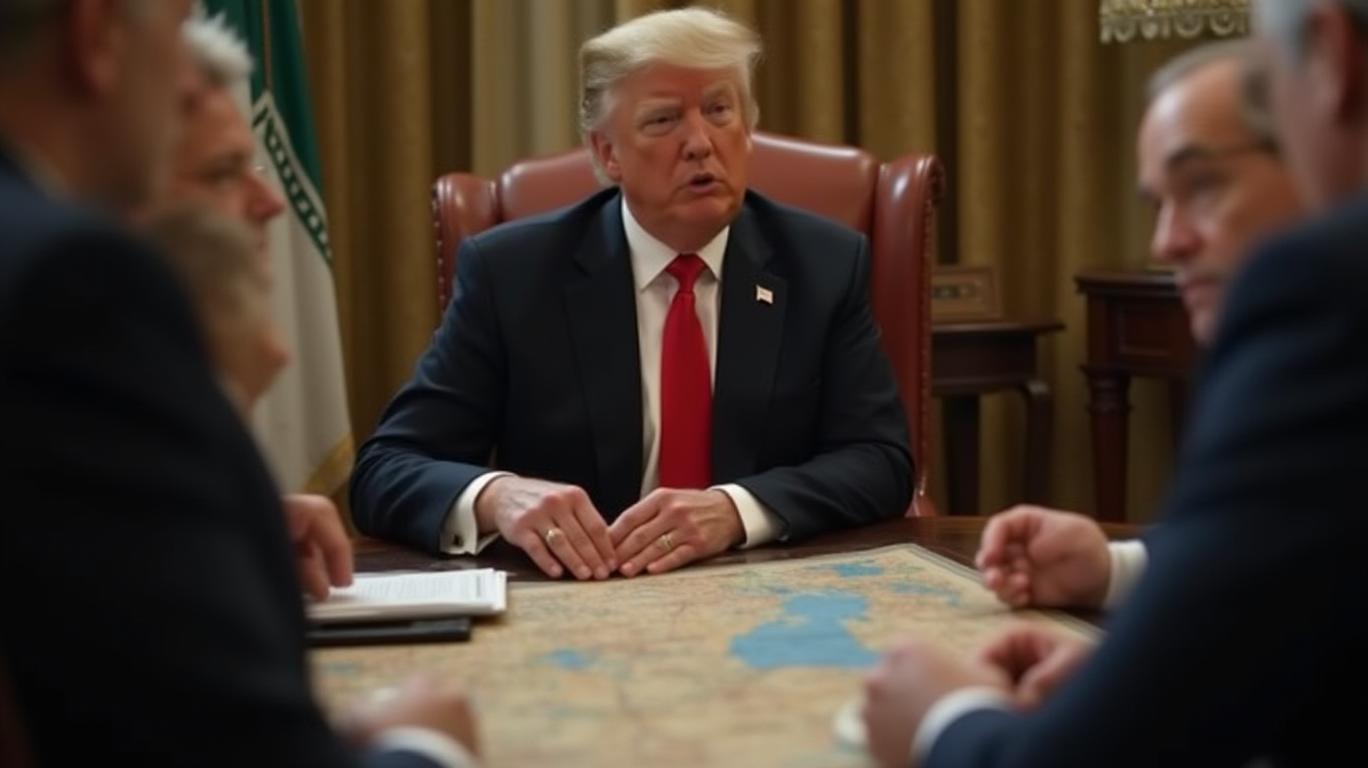







Comentarios
Aún no hay comentarios