
Trump Proposes US Strategic Bitcoin Reserve, Reversing Stance
Donald Trump's stance on cryptocurrency has evolved significantly over the years. Initially skeptical, he has since pivoted to a pro-crypto position, proposing a US Strategic Bitcoin Reserve and criticizing the Biden administration's anti-crypto policies. This shift began in 2019 when Trump, while in office, expressed his disapproval of Bitcoin, labeling it volatile and a threat to the US dollar. He also opposed Facebook’s Libra project, arguing that tech companies should not issue currency without a banking charterCHTR--. In June 2021, after leaving office, Trump continued his criticism, calling Bitcoin a "scam" and advocating for strict regulation to prevent it from undermining the US financial system.
During his presidency from 2017 to 2020, Trump's administration took a cautious stance on crypto. Treasury Secretary Steven Mnuchin warned of Bitcoin’s risks and dismissed its long-term viability. The Treasury Department proposed stricter tracking rules for digital wallets, which faced industry backlash. However, some Trump appointees supported crypto-friendly banking policies, though these were exceptions to an overall skeptical approach.
In 2024, ahead of the election, Trump reversed his stance, pledging to end the Biden administration’s “anti-crypto” stance. He declared himself “very positive and open-minded” on Bitcoin, promising to fire top crypto-skeptic regulators if reelected. He also proposed a US Strategic Bitcoin Reserve, vowing to hold on to seized Bitcoin instead of auctioning it off. This dramatic shift set the foundation for Trump’s strategic Bitcoin reserve.
One of Trump’s headline proposals is creating a Strategic Bitcoin Reserve for the US, treating Bitcoin as a national reserve asset akin to digital gold. The plan centers on stockpiling Bitcoin seized in criminal cases rather than purchasing it with taxpayer funds. The US government would officially recognize Bitcoin as a strategic holding, similar to gold in Fort Knox, leveraging its fixed supply and decentralized nature. Instead of selling confiscated Bitcoin at auction, the government would retain it in a central reserve account. Trump’s executive order explicitly states that any Bitcoin deposited “shall not be sold.” The plan does not include direct federal purchases of BTC but allows for “budget-neutral” methods to expand reserves, such as using proceeds from other seized assets.
The US already has an indirect Bitcoin stockpile. Over the past decade, agencies have seized 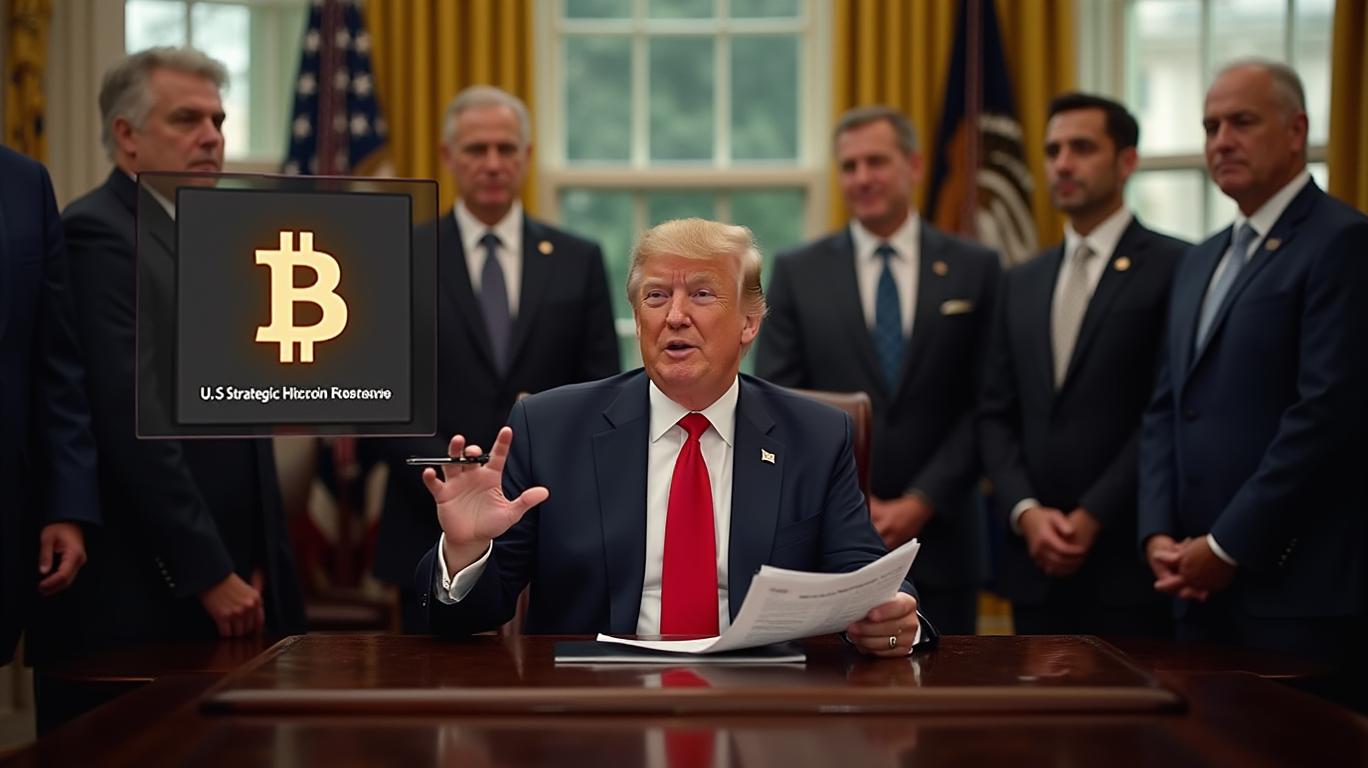





Comentarios
Aún no hay comentarios