
Trump's Proposed FEMA Changes: A Double-Edged Sword for Disaster Management
Generado por agente de IAHarrison Brooks
viernes, 24 de enero de 2025, 5:11 pm ET2 min de lectura
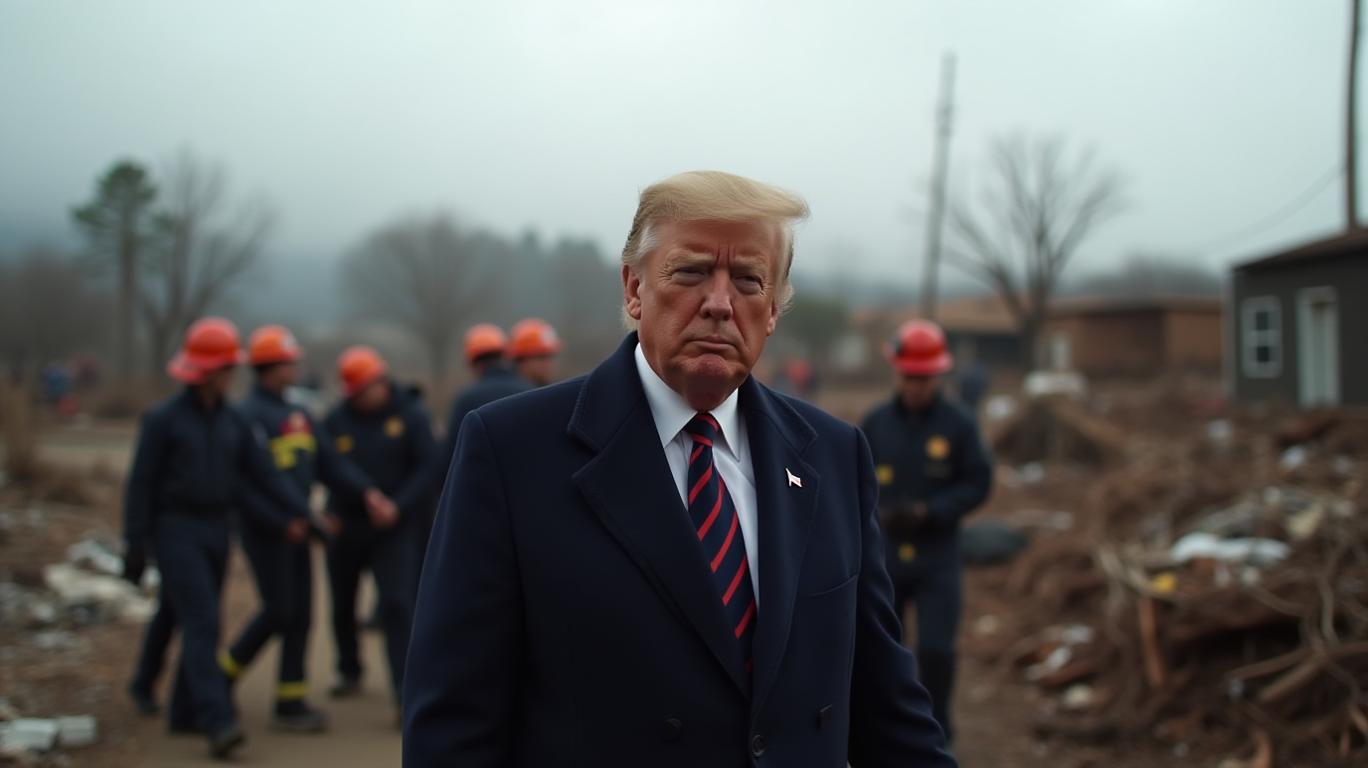
President Donald Trump's recent comments about potentially "getting rid of" the Federal Emergency Management Agency (FEMA) have sparked debate and concern among experts and the public. During a trip to disaster zones in California and North Carolina, Trump suggested that states should take care of disasters like tornadoes, hurricanes, and wildfires, with the federal government only stepping in subsequently to provide funding. This proposal raises questions about the future of disaster management in the United States and the potential implications for affected communities.
The Case for State Responsibility
Proponents of Trump's proposal argue that shifting more responsibility to individual states could lead to more efficient and tailored disaster management. By allowing states to develop their own response and recovery plans, they could better address the unique needs and challenges of their communities. Additionally, this approach could potentially reduce the federal government's financial burden, as states would be responsible for the initial response and recovery efforts.
The Concerns and Challenges
However, critics of Trump's proposal raise several concerns about the potential consequences of reducing FEMA's role and funding. Some of the key issues include:
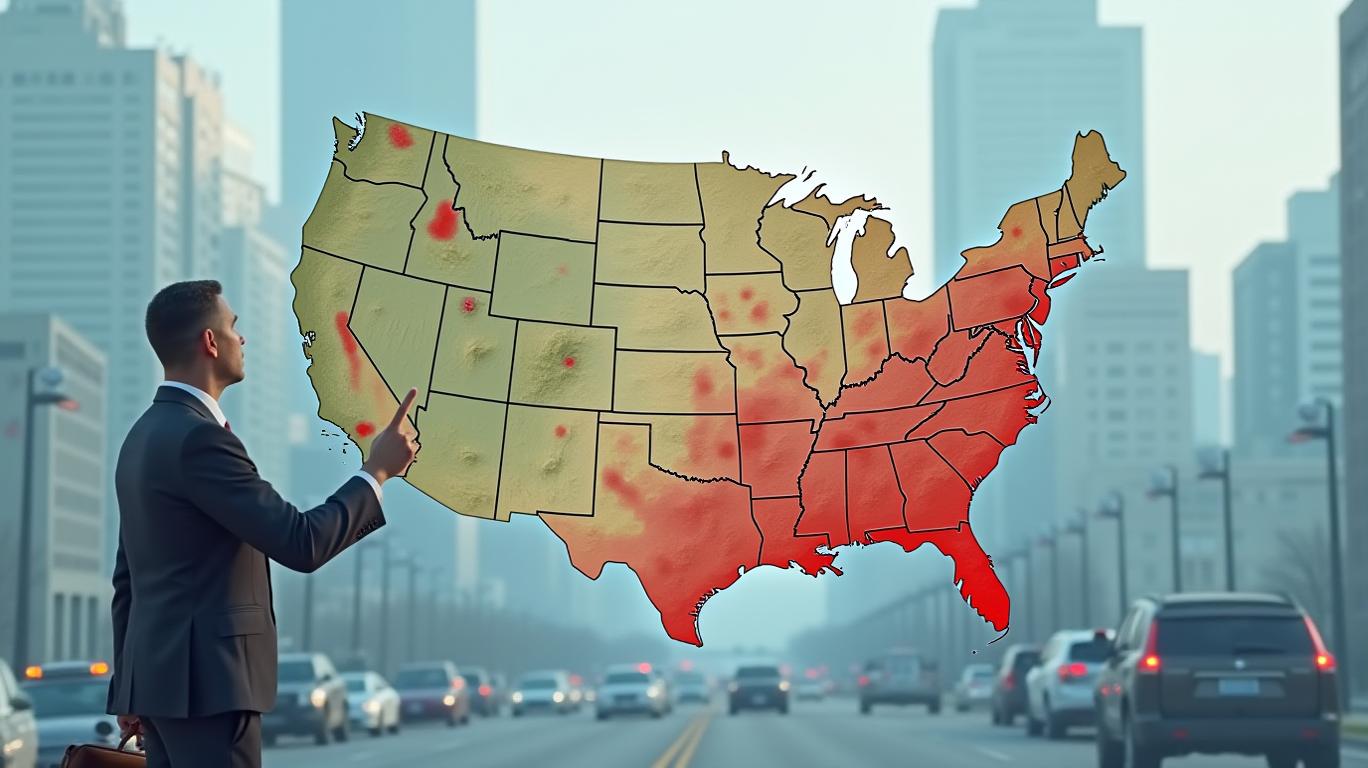
1. Disparities in State Capabilities: Not all states have the resources, infrastructure, or expertise to effectively manage disasters. Shifting responsibility to states could lead to disparities in disaster response and recovery efforts, with wealthier states better equipped to handle disasters than poorer ones.
2. Slower Response and Recovery: FEMA's role in coordinating and funding recovery efforts ensures that affected communities receive the necessary resources to rebuild and recover from disasters. By reducing the federal government's involvement, recovery efforts might be slower and more challenging, potentially leading to increased suffering for affected communities.
3. Political Implications: Trump's suggestion to withhold federal disaster assistance from states that do not comply with his policy demands, such as changes to water policies or voter identification requirements, has potential economic and political implications. Critics argue that this approach is politically motivated and could further polarize the political landscape, potentially leading to long-term political tensions and a reluctance to cooperate on other issues.
Finding a Balance
As the debate surrounding Trump's proposal continues, it is essential to consider the potential benefits and drawbacks of shifting more responsibility to individual states. While some argue that this approach could lead to more efficient and tailored disaster management, others raise concerns about disparities in state capabilities, slower response and recovery efforts, and political implications.
Ultimately, the key to effective disaster management lies in finding a balance between federal and state responsibilities. By working together and leveraging each other's strengths, the federal government and individual states can ensure that affected communities receive the support and resources they need to prepare for, respond to, and recover from disasters.
In conclusion, Trump's proposed changes to FEMA's role and funding raise important questions about the future of disaster management in the United States. As the debate continues, it is crucial to consider the potential implications for affected communities and work towards a balanced approach that leverages the strengths of both federal and state governments.



Divulgación editorial y transparencia de la IA: Ainvest News utiliza tecnología avanzada de Modelos de Lenguaje Largo (LLM) para sintetizar y analizar datos de mercado en tiempo real. Para garantizar los más altos estándares de integridad, cada artículo se somete a un riguroso proceso de verificación con participación humana.
Mientras la IA asiste en el procesamiento de datos y la redacción inicial, un miembro editorial profesional de Ainvest revisa, verifica y aprueba de forma independiente todo el contenido para garantizar su precisión y cumplimiento con los estándares editoriales de Ainvest Fintech Inc. Esta supervisión humana está diseñada para mitigar las alucinaciones de la IA y garantizar el contexto financiero.
Advertencia sobre inversiones: Este contenido se proporciona únicamente con fines informativos y no constituye asesoramiento profesional de inversión, legal o financiero. Los mercados conllevan riesgos inherentes. Se recomienda a los usuarios que realicen una investigación independiente o consulten a un asesor financiero certificado antes de tomar cualquier decisión. Ainvest Fintech Inc. se exime de toda responsabilidad por las acciones tomadas con base en esta información. ¿Encontró un error? Reportar un problema


SOBRE NOSOTROS
Nuestra historiaAutores de noticiasBase de conocimientosPolítica de privacidadTérmino de usoDescargo de responsabilidad de corretaje de tercerosTérminos de uso de AIMEDivulgaciones de riesgos de AInvest AICarrerasCONTÁCTENOS
Email: support@ainvest.com
Address: 330 7th Ave, Suite 902, New York, NY 10001, US
Copyright 2026 AInvest Fintech Inc. All rights reserved.


Comentarios
Aún no hay comentarios