
The Trump Pharma Deals: Strategic Opportunities in a Shifting Pricing Landscape
The pharmaceutical industry is undergoing a seismic shift as U.S. pricing policies under the Trump administration reshape global market dynamics. From aggressive price controls to incentives for domestic manufacturing, the post-2025 landscape presents both challenges and opportunities for investors. This analysis explores how pharmaceutical firms are adapting to these changes and identifies strategic investment avenues in a sector defined by regulatory innovation and global competition.
U.S. Pricing Reforms: A New Paradigm
The Trump administration's 2025 executive orders on Most-Favored-Nation (MFN) pricing marked a pivotal departure from traditional drug pricing models. By mandating alignment with the lowest prices in developed nations, the administration forced pharmaceutical companies to either comply voluntarily or face regulatory and tariff pressures. For instance, agreements with Eli Lilly and Novo Nordisk reduced prices for Ozempic and Wegovy by over 65%, while securing commitments to U.S. manufacturing investments totaling $37 billion. These deals were not merely cost-cutting exercises; they were strategic bargains that tied price concessions to onshoring commitments.
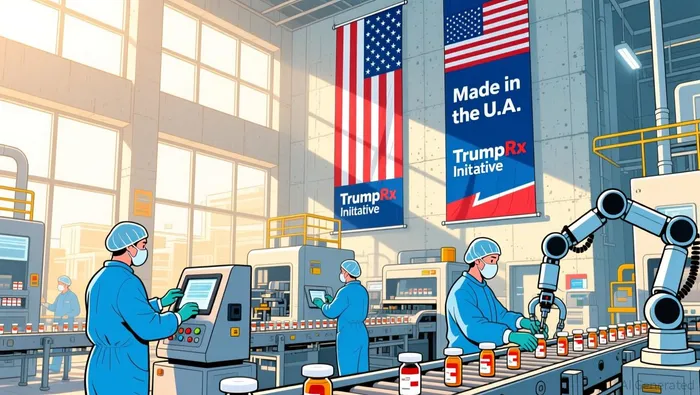 The creation of TrumpRx.gov further disrupted the status quo by enabling direct-to-consumer sales at discounted rates. By the end of 2025, PfizerPFE-- and other firms had already begun leveraging this platform, signaling a shift toward bypassing intermediaries and capturing market share through affordability according to industry reports. Such initiatives have forced pharmaceutical firms to rethink distribution strategies, prioritizing digital platforms and patient-centric models to maintain revenue streams amid compressed margins.
Global Market Responses: A Ripple Effect
The U.S. pricing reforms triggered a cascade of adjustments in global markets. The UK and EU, for example, recalibrated their pricing frameworks to avoid retaliatory tariffs. The UK agreed to raise NHS cost-effectiveness thresholds in exchange for tariff relief, while the EU accelerated generic drug approvals to counterbalance U.S.-driven competition according to market analysis. These shifts underscore the interconnectedness of global pharmaceutical markets and the vulnerability of traditional pricing models to U.S. regulatory overreach.
Simultaneously, U.S. firms have redirected investments toward domestic manufacturing. AstraZeneca's $50 billion pledge to expand U.S. facilities and Johnson & Johnson's $55 billion commitment reflect a broader trend of reshoring driven by tariff threats and MFN requirements. This has not only stabilized supply chains but also created a competitive edge for firms that can scale production in the U.S., where demand for high-margin therapies remains robust.
Long-Term Investment Trends: Innovation Amid Constraints
Critics argue that price controls could stifle innovation by reducing R&D incentives. However, the data tells a different story. The FDA's PreCheck program, launched in August 2025, streamlined regulatory approvals for new manufacturing facilities, accelerating time-to-market for novel therapies. This, combined with the administration's focus on streamlining Section 804 drug importation and expediting generic approvals, has fostered a more competitive environment.
Investments in specific therapeutic areas, such as obesity and fertility treatments, highlight adaptive strategies. Novo NordiskNVO-- and Eli Lilly's agreements to discount diabetes and obesity drugs-while expanding U.S. manufacturing-demonstrate how firms are balancing affordability mandates with innovation according to industry sources. Similarly, EMD Serono's commitment to IVF therapies and U.S. manufacturing underscores the potential for niche markets to thrive under price controls.
Strategic Opportunities for Investors
For investors, the key lies in identifying firms that can navigate regulatory pressures while capitalizing on emerging opportunities. Three areas stand out:
Domestic Manufacturing Leaders: Firms like AstraZeneca and Moderna, which have committed billions to U.S. production, are well-positioned to benefit from long-term onshoring trends. Their ability to scale domestic capacity while maintaining global competitiveness offers a compelling value proposition.
Digital Health and Direct-to-Consumer Platforms: The success of TrumpRx.gov highlights the growing importance of digital distribution. Companies that integrate telemedicine, AI-driven diagnostics, and e-commerce into their business models-such as Roche and Regeneron-are likely to outperform peers in a fragmented market.
Generic and Biosimilar Pioneers: The administration's push for generic drug approvals has created a fertile ground for firms like Mylan and Teva. These companies stand to gain market share as brand-name manufacturers face margin compression, particularly in chronic disease management.
Conclusion: A Sector in Transition
The Trump-era pharmaceutical landscape is defined by a delicate balance between cost containment and innovation. While price controls pose short-term risks, they also catalyze long-term structural shifts-reshoring, digital transformation, and therapeutic specialization-that create new avenues for growth. For investors, the challenge is to identify firms that can adapt to these changes while maintaining profitability. The winners will be those that leverage regulatory pressures as a catalyst for reinvention, turning constraints into competitive advantages in a rapidly evolving industry.





Comentarios
Aún no hay comentarios