
Trump's Paris Agreement Exit: A Blow to Global Climate Action
Generado por agente de IACyrus Cole
lunes, 20 de enero de 2025, 8:26 pm ET2 min de lectura
AENT--
President Donald Trump's decision to withdraw the United States from the Paris Agreement, as announced in 2017 and again in 2025, has significant implications for global climate diplomacy and cooperation. The US, as the second-largest emitter of greenhouse gases, plays a crucial role in global climate efforts. Its withdrawal from the Paris Agreement could undermine the collective ambition needed to meet the Agreement's goals. As Laurence Tubiana, a key architect of the Paris Agreement, stated, "Multilateral climate action has proven resilient and is stronger than any single country’s politics and policies" (Bloomberg, 2025). However, the US withdrawal could weaken this resilience.
The US withdrawal could also have economic consequences, particularly for the renewable energy sector and clean energy technology development. The transition to a low-carbon economy is already underway, and the US withdrawal could give China and the European Union a competitive edge in the booming clean energy economy. Ani Dasgupta, president of the World Resources Institute, noted that "walking away from the Paris Agreement won’t protect Americans from climate impacts, but it will hand China and the European Union a competitive edge in the booming clean energy economy and lead to fewer opportunities for American workers" (Bloomberg, 2025). This could result in a shift of investment and job opportunities to other countries, such as China and the EU, which are committed to the Paris Agreement.
The US withdrawal could also hinder innovation in clean energy technology. The Paris Agreement has been a driving force for technological advancements in the renewable energy sector. The US exit could slow down the pace of innovation and the development of new clean energy technologies. Additionally, the US withdrawal could create market uncertainty, making it more difficult for renewable energy companies to secure financing and invest in new projects. This uncertainty could lead to a slowdown in the growth of the renewable energy sector and a decrease in the number of new projects being developed.
The US withdrawal could also have geopolitical implications, particularly in relation to China and the European Union. China, which has been investing heavily in renewable energy and exporting clean technology, could emerge as a leader in the global fight against climate change. The US withdrawal could embolden China to take a more prominent role, potentially influencing global climate policy and gaining diplomatic leverage (Bloomberg, 2025). The US withdrawal could also create a divide among major economies, with the EU and China potentially forming a stronger alliance to push for more ambitious climate action. This could lead to a more multipolar world, with the US, EU, and China each playing significant roles in global climate governance (Journal of Financial Stability, 2024).
In conclusion, the US withdrawal from the Paris Agreement could have significant implications for global climate diplomacy, economic competitiveness, geopolitical shifts, and energy markets. The US withdrawal could undermine global climate action, shift investment and job opportunities to other countries, hinder innovation in clean energy technology, and create market uncertainty. The US withdrawal could also have geopolitical implications, potentially empowering China and creating a divide among major economies. The US has previously rejoined the Paris Agreement, highlighting the potential for future re-entry. However, the consequences of the US withdrawal are likely to be far-reaching and long-lasting.
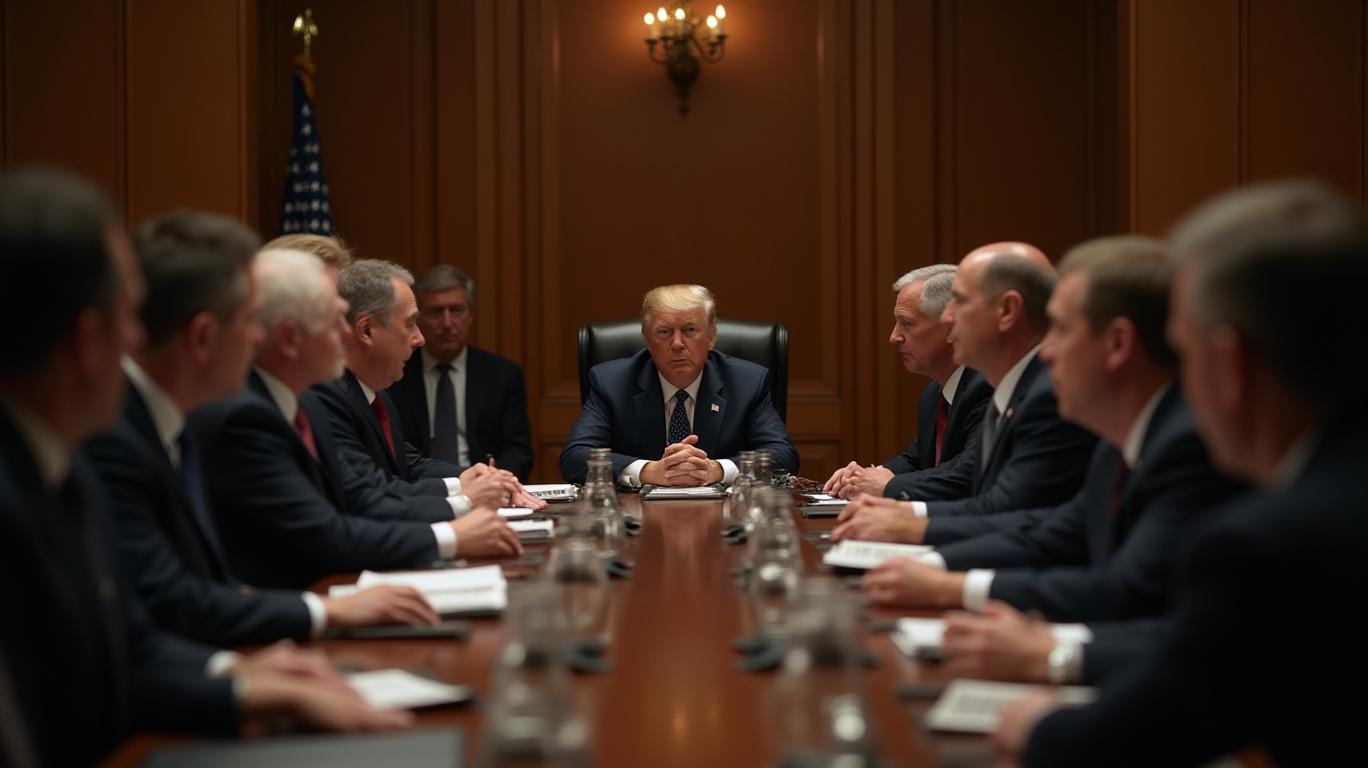
President Donald Trump's decision to withdraw the United States from the Paris Agreement, as announced in 2017 and again in 2025, has significant implications for global climate diplomacy and cooperation. The US, as the second-largest emitter of greenhouse gases, plays a crucial role in global climate efforts. Its withdrawal from the Paris Agreement could undermine the collective ambition needed to meet the Agreement's goals. As Laurence Tubiana, a key architect of the Paris Agreement, stated, "Multilateral climate action has proven resilient and is stronger than any single country’s politics and policies" (Bloomberg, 2025). However, the US withdrawal could weaken this resilience.
The US withdrawal could also have economic consequences, particularly for the renewable energy sector and clean energy technology development. The transition to a low-carbon economy is already underway, and the US withdrawal could give China and the European Union a competitive edge in the booming clean energy economy. Ani Dasgupta, president of the World Resources Institute, noted that "walking away from the Paris Agreement won’t protect Americans from climate impacts, but it will hand China and the European Union a competitive edge in the booming clean energy economy and lead to fewer opportunities for American workers" (Bloomberg, 2025). This could result in a shift of investment and job opportunities to other countries, such as China and the EU, which are committed to the Paris Agreement.
The US withdrawal could also hinder innovation in clean energy technology. The Paris Agreement has been a driving force for technological advancements in the renewable energy sector. The US exit could slow down the pace of innovation and the development of new clean energy technologies. Additionally, the US withdrawal could create market uncertainty, making it more difficult for renewable energy companies to secure financing and invest in new projects. This uncertainty could lead to a slowdown in the growth of the renewable energy sector and a decrease in the number of new projects being developed.
The US withdrawal could also have geopolitical implications, particularly in relation to China and the European Union. China, which has been investing heavily in renewable energy and exporting clean technology, could emerge as a leader in the global fight against climate change. The US withdrawal could embolden China to take a more prominent role, potentially influencing global climate policy and gaining diplomatic leverage (Bloomberg, 2025). The US withdrawal could also create a divide among major economies, with the EU and China potentially forming a stronger alliance to push for more ambitious climate action. This could lead to a more multipolar world, with the US, EU, and China each playing significant roles in global climate governance (Journal of Financial Stability, 2024).
In conclusion, the US withdrawal from the Paris Agreement could have significant implications for global climate diplomacy, economic competitiveness, geopolitical shifts, and energy markets. The US withdrawal could undermine global climate action, shift investment and job opportunities to other countries, hinder innovation in clean energy technology, and create market uncertainty. The US withdrawal could also have geopolitical implications, potentially empowering China and creating a divide among major economies. The US has previously rejoined the Paris Agreement, highlighting the potential for future re-entry. However, the consequences of the US withdrawal are likely to be far-reaching and long-lasting.

Divulgación editorial y transparencia de la IA: Ainvest News utiliza tecnología avanzada de Modelos de Lenguaje Largo (LLM) para sintetizar y analizar datos de mercado en tiempo real. Para garantizar los más altos estándares de integridad, cada artículo se somete a un riguroso proceso de verificación con participación humana.
Mientras la IA asiste en el procesamiento de datos y la redacción inicial, un miembro editorial profesional de Ainvest revisa, verifica y aprueba de forma independiente todo el contenido para garantizar su precisión y cumplimiento con los estándares editoriales de Ainvest Fintech Inc. Esta supervisión humana está diseñada para mitigar las alucinaciones de la IA y garantizar el contexto financiero.
Advertencia sobre inversiones: Este contenido se proporciona únicamente con fines informativos y no constituye asesoramiento profesional de inversión, legal o financiero. Los mercados conllevan riesgos inherentes. Se recomienda a los usuarios que realicen una investigación independiente o consulten a un asesor financiero certificado antes de tomar cualquier decisión. Ainvest Fintech Inc. se exime de toda responsabilidad por las acciones tomadas con base en esta información. ¿Encontró un error? Reportar un problema




Comentarios
Aún no hay comentarios