
Trump's Oil Transfer: Venezuela's 50M Barrels Value and Crucial Facts
- . for sale at market prices, with proceeds controlled by the U.S. government.
- based on current market pricing.
- U.S. Gulf Coast refineries are positioned to process the heavy Venezuelan crude, potentially displacing Canadian imports.
- Major U.S. oil companies remain hesitant about investing in Venezuela's infrastructure due to political instability and cost concerns.
The U.S.-Venezuela oil agreement marks a dramatic energy policy shift under President Trump. Venezuela will transfer up to 50 million barrels of sanctioned crude to American buyers to ease its storage glut. This development follows Venezuela's strategic realignment away from China and toward the U.S. The deal could reshape regional supply chains while generating billions in revenue.
How Much Is 50 Million Barrels of Oil Worth in the Venezuela Deal?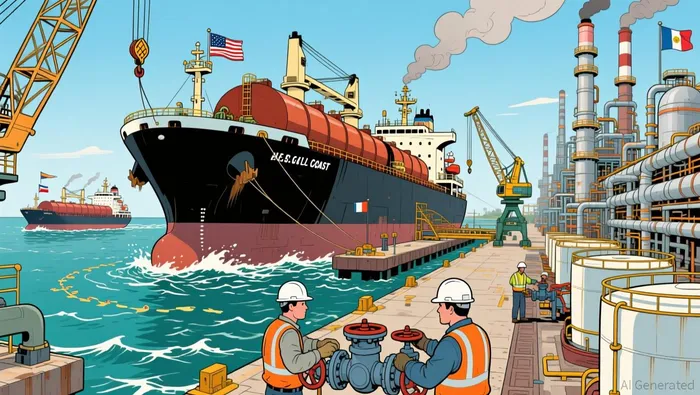
at current market prices. This range reflects benchmark oil prices hovering near $56 per barrel when the deal was announced. Precise valuation fluctuates with market conditions and the crude's heavy sour quality. The 50 million barrels represent approximately two and a half days of U.S. oil consumption.
Proceeds from the sale will be managed by the U.S. government to benefit both nations. The oil had accumulated in Venezuelan storage due to U.S. sanctions and a naval blockade. Transfer logistics involve moving crude from storage ships to U.S. Gulf Coast unloading docks. Market reaction saw U.S. crude prices amid supply concerns.
What Are the Key Facts About Trump's Venezuela Oil Agreement?
The agreement redirects oil originally destined for China. Venezuela sought to clear excess inventories after U.S. sanctions disrupted its traditional export channels. The White House now demands reduced Venezuelan economic ties with China, Russia, Iran, and Cuba. This political realignment accompanies the material transfer of crude resources.
U.S. oil majors show reluctance to invest despite Venezuela's vast reserves. Political instability, infrastructure decay, and low global prices create investment barriers. ChevronCVX-- maintains Venezuela operations under a U.S. , while ExxonXOM-- and ConocoPhillipsCOP-- remain cautious. Restoring production would require and years of work.
The heavy crude suits specialized Gulf Coast refineries but could displace Canadian imports. Venezuela holds the world's largest proven oil reserves but contributes under 1% of current global supply. President Trump plans meetings with Chevron, ExxonMobil, and ConocoPhillips about potential Venezuelan investments. The deal's legality and implementation timeline face ongoing questions.







Comentarios
Aún no hay comentarios