
Trump's Oil Tariffs: A Boon for European and Asian Refiners
Generado por agente de IATheodore Quinn
sábado, 1 de febrero de 2025, 8:14 pm ET1 min de lectura
VLO--
President Donald Trump's proposed tariffs on Canadian and Mexican oil imports have the potential to significantly reshape global oil market dynamics, with European and Asian refiners poised to benefit. The tariffs, announced on February 2, 2025, aim to pressure these countries into cooperating on immigration and drug enforcement. However, the move could have unintended consequences, shifting trade patterns and influencing the competitiveness of US refiners.
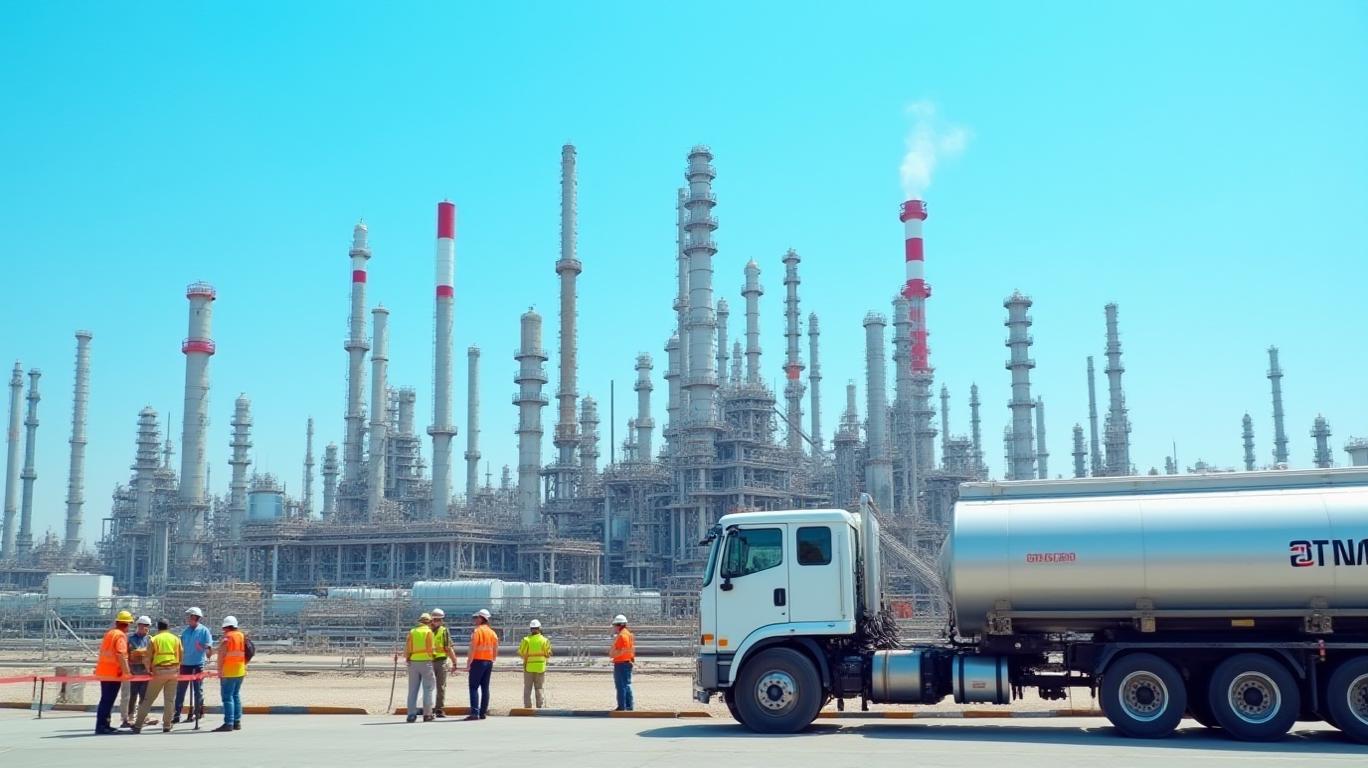
The proposed 25% tariffs on oil imports from Canada and Mexico would increase the cost of crude for US refiners, particularly those in the Midwest, which rely heavily on Canadian crude for their operations. This increased cost would make US refiners less competitive compared to their European and Asian counterparts, who would not face these additional costs. For instance, Valero Energy Corp., the third-largest US fuelmaker by market value, expects processors to cut production if tariffs hit oil imports.
The tariffs could also disrupt the integrated North American energy market, which has been beneficial for US refiners. The US Midwest refining district relies on Canada for 46% of its crude, which is cheaper than the benchmark US grade. A disruption in this supply chain could force US refiners to find alternative, potentially more expensive, sources of crude. This could lead to a reduction in the overall refining capacity in the US, making it less competitive in the global market.
In contrast, European and Asian refiners stand to gain from the tariffs. With the US becoming a more attractive source of crude oil, European refiners may face increased competition for supplies. This could lead to higher crude oil prices in Europe, as US exports may be priced higher than Canadian or Mexican alternatives. Asian refiners, particularly in China and India, may also face increased competition for US crude oil exports, reducing their reliance on Middle Eastern and African suppliers.

The increased US crude oil exports could lead to a more diversified global oil market, reducing the influence of OPEC and other major oil-producing countries. This could result in more stable oil prices and improved energy security for importing countries. However, it could also lead to increased volatility in oil prices, as the US market becomes more influential in global oil trade.
In conclusion, President Trump's proposed tariffs on Canadian and Mexican oil imports have the potential to significantly reshape global oil market dynamics, with European and Asian refiners poised to benefit. The tariffs could increase the competitiveness of European and Asian refiners, while making US refiners less competitive. However, retaliation and trade wars could also have negative consequences for the global oil market. As the situation unfolds, it will be crucial for refiners and investors to monitor the developments closely and adapt their strategies accordingly.
President Donald Trump's proposed tariffs on Canadian and Mexican oil imports have the potential to significantly reshape global oil market dynamics, with European and Asian refiners poised to benefit. The tariffs, announced on February 2, 2025, aim to pressure these countries into cooperating on immigration and drug enforcement. However, the move could have unintended consequences, shifting trade patterns and influencing the competitiveness of US refiners.
The proposed 25% tariffs on oil imports from Canada and Mexico would increase the cost of crude for US refiners, particularly those in the Midwest, which rely heavily on Canadian crude for their operations. This increased cost would make US refiners less competitive compared to their European and Asian counterparts, who would not face these additional costs. For instance, Valero Energy Corp., the third-largest US fuelmaker by market value, expects processors to cut production if tariffs hit oil imports.
The tariffs could also disrupt the integrated North American energy market, which has been beneficial for US refiners. The US Midwest refining district relies on Canada for 46% of its crude, which is cheaper than the benchmark US grade. A disruption in this supply chain could force US refiners to find alternative, potentially more expensive, sources of crude. This could lead to a reduction in the overall refining capacity in the US, making it less competitive in the global market.
In contrast, European and Asian refiners stand to gain from the tariffs. With the US becoming a more attractive source of crude oil, European refiners may face increased competition for supplies. This could lead to higher crude oil prices in Europe, as US exports may be priced higher than Canadian or Mexican alternatives. Asian refiners, particularly in China and India, may also face increased competition for US crude oil exports, reducing their reliance on Middle Eastern and African suppliers.
The increased US crude oil exports could lead to a more diversified global oil market, reducing the influence of OPEC and other major oil-producing countries. This could result in more stable oil prices and improved energy security for importing countries. However, it could also lead to increased volatility in oil prices, as the US market becomes more influential in global oil trade.
In conclusion, President Trump's proposed tariffs on Canadian and Mexican oil imports have the potential to significantly reshape global oil market dynamics, with European and Asian refiners poised to benefit. The tariffs could increase the competitiveness of European and Asian refiners, while making US refiners less competitive. However, retaliation and trade wars could also have negative consequences for the global oil market. As the situation unfolds, it will be crucial for refiners and investors to monitor the developments closely and adapt their strategies accordingly.

Divulgación editorial y transparencia de la IA: Ainvest News utiliza tecnología avanzada de Modelos de Lenguaje Largo (LLM) para sintetizar y analizar datos de mercado en tiempo real. Para garantizar los más altos estándares de integridad, cada artículo se somete a un riguroso proceso de verificación con participación humana.
Mientras la IA asiste en el procesamiento de datos y la redacción inicial, un miembro editorial profesional de Ainvest revisa, verifica y aprueba de forma independiente todo el contenido para garantizar su precisión y cumplimiento con los estándares editoriales de Ainvest Fintech Inc. Esta supervisión humana está diseñada para mitigar las alucinaciones de la IA y garantizar el contexto financiero.
Advertencia sobre inversiones: Este contenido se proporciona únicamente con fines informativos y no constituye asesoramiento profesional de inversión, legal o financiero. Los mercados conllevan riesgos inherentes. Se recomienda a los usuarios que realicen una investigación independiente o consulten a un asesor financiero certificado antes de tomar cualquier decisión. Ainvest Fintech Inc. se exime de toda responsabilidad por las acciones tomadas con base en esta información. ¿Encontró un error? Reportar un problema


SOBRE NOSOTROS
Nuestra historiaAutores de noticiasBase de conocimientosPolítica de privacidadTérmino de usoDescargo de responsabilidad de corretaje de tercerosTérminos de uso de AIMEDivulgaciones de riesgos de AInvest AICarrerasCONTÁCTENOS
Email: support@ainvest.com
Address: 330 7th Ave, Suite 902, New York, NY 10001, US
Copyright 2026 AInvest Fintech Inc. All rights reserved.


Comentarios
Aún no hay comentarios