
Trump's Oil Price Lowering Ambitions: A Challenging Task
Generado por agente de IACyrus Cole
viernes, 24 de enero de 2025, 7:06 am ET1 min de lectura
ELPC--
President Donald Trump has made lowering oil prices a key priority, but achieving this goal may prove more difficult than anticipated. With oil prices surging due to geopolitical tensions and supply constraints, Trump's policies may face significant headwinds in their quest to bring prices down.
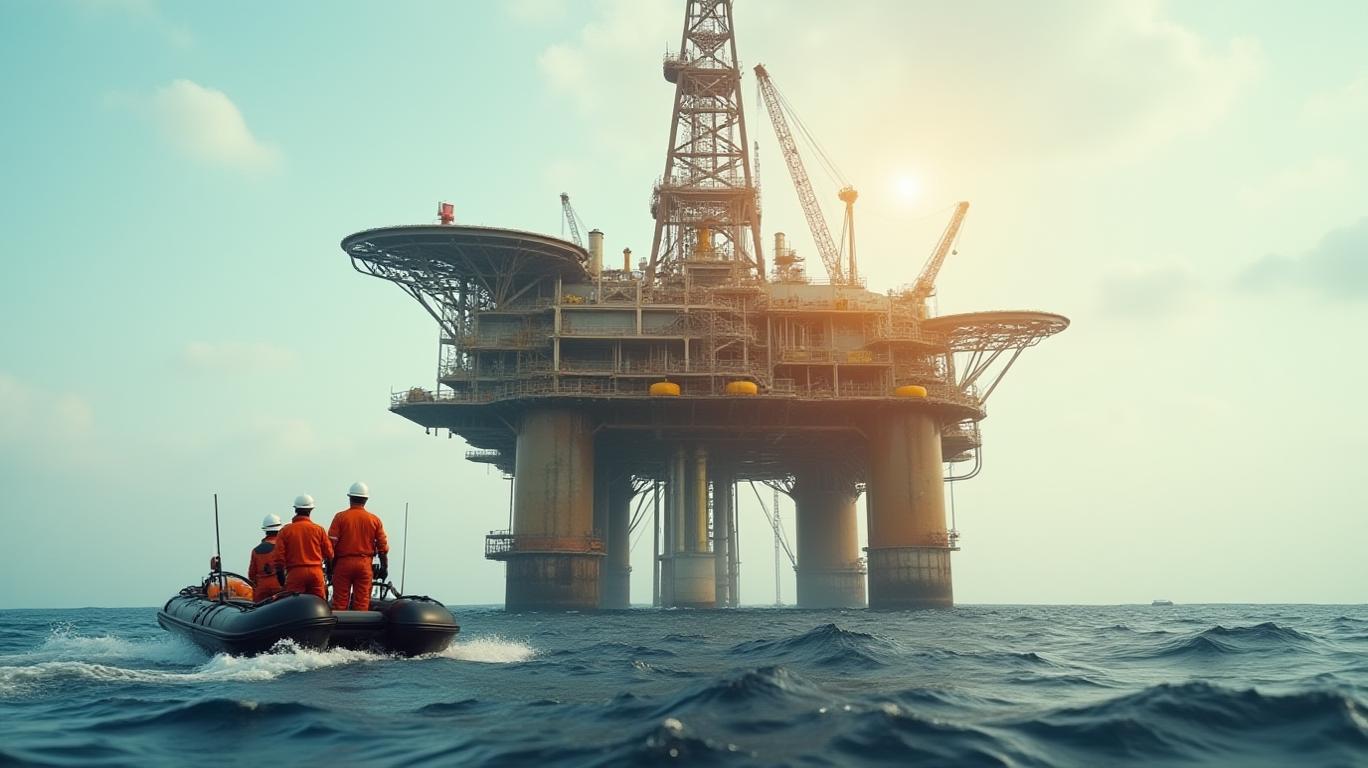
Trump's proposed policies to lower oil prices include increasing domestic oil production, reducing regulations, and promoting energy exports. However, these measures may have limited short-term impact on global oil prices due to the following factors:
1. Global supply and demand dynamics: The global oil market is influenced by supply and demand dynamics, with factors such as economic growth, population growth, and technological advancements playing a significant role. Trump's policies may have a limited impact on these global dynamics, as they primarily focus on domestic energy production and trade.
2. Geopolitical tensions: Geopolitical tensions, such as those involving Iran, Russia, and Venezuela, have a significant influence on global oil supply and prices. Trump's policies towards these countries may exacerbate tensions and lead to further supply disruptions, potentially driving up oil prices.
3. Market speculation: Geopolitical tensions and uncertainty can lead to market speculation, with traders and investors buying or selling oil futures contracts, causing price fluctuations. Trump's policies may amplify market speculation, further impacting oil prices.
To address these challenges, Trump's policies could focus on the following:
1. Diplomatic efforts: Trump could engage in diplomatic efforts to resolve geopolitical tensions, potentially reducing the risk of supply disruptions and market speculation.
2. Energy independence: Trump's policies could aim to increase U.S. oil production and reduce dependence on foreign oil, potentially mitigating the impact of geopolitical tensions on global oil supply and prices.
3. Strategic petroleum reserves: Trump could utilize strategic petroleum reserves to stabilize oil prices in response to geopolitical tensions and supply disruptions.
4. Cooperation with allies: Trump could work with allies to coordinate policies towards countries like Iran, Russia, and Venezuela, potentially reducing the impact of geopolitical tensions on the global oil market.
In conclusion, Trump's ambition to lower oil prices may face significant challenges due to global supply and demand dynamics, geopolitical tensions, and market speculation. To address these factors, Trump's policies could focus on diplomatic efforts, energy independence, strategic petroleum reserves, and cooperation with allies. However, the effectiveness of these policies in the short and long term remains uncertain, as the global oil market is influenced by a complex interplay of factors.
President Donald Trump has made lowering oil prices a key priority, but achieving this goal may prove more difficult than anticipated. With oil prices surging due to geopolitical tensions and supply constraints, Trump's policies may face significant headwinds in their quest to bring prices down.
Trump's proposed policies to lower oil prices include increasing domestic oil production, reducing regulations, and promoting energy exports. However, these measures may have limited short-term impact on global oil prices due to the following factors:
1. Global supply and demand dynamics: The global oil market is influenced by supply and demand dynamics, with factors such as economic growth, population growth, and technological advancements playing a significant role. Trump's policies may have a limited impact on these global dynamics, as they primarily focus on domestic energy production and trade.
2. Geopolitical tensions: Geopolitical tensions, such as those involving Iran, Russia, and Venezuela, have a significant influence on global oil supply and prices. Trump's policies towards these countries may exacerbate tensions and lead to further supply disruptions, potentially driving up oil prices.
3. Market speculation: Geopolitical tensions and uncertainty can lead to market speculation, with traders and investors buying or selling oil futures contracts, causing price fluctuations. Trump's policies may amplify market speculation, further impacting oil prices.
To address these challenges, Trump's policies could focus on the following:
1. Diplomatic efforts: Trump could engage in diplomatic efforts to resolve geopolitical tensions, potentially reducing the risk of supply disruptions and market speculation.
2. Energy independence: Trump's policies could aim to increase U.S. oil production and reduce dependence on foreign oil, potentially mitigating the impact of geopolitical tensions on global oil supply and prices.
3. Strategic petroleum reserves: Trump could utilize strategic petroleum reserves to stabilize oil prices in response to geopolitical tensions and supply disruptions.
4. Cooperation with allies: Trump could work with allies to coordinate policies towards countries like Iran, Russia, and Venezuela, potentially reducing the impact of geopolitical tensions on the global oil market.
In conclusion, Trump's ambition to lower oil prices may face significant challenges due to global supply and demand dynamics, geopolitical tensions, and market speculation. To address these factors, Trump's policies could focus on diplomatic efforts, energy independence, strategic petroleum reserves, and cooperation with allies. However, the effectiveness of these policies in the short and long term remains uncertain, as the global oil market is influenced by a complex interplay of factors.

Divulgación editorial y transparencia de la IA: Ainvest News utiliza tecnología avanzada de Modelos de Lenguaje Largo (LLM) para sintetizar y analizar datos de mercado en tiempo real. Para garantizar los más altos estándares de integridad, cada artículo se somete a un riguroso proceso de verificación con participación humana.
Mientras la IA asiste en el procesamiento de datos y la redacción inicial, un miembro editorial profesional de Ainvest revisa, verifica y aprueba de forma independiente todo el contenido para garantizar su precisión y cumplimiento con los estándares editoriales de Ainvest Fintech Inc. Esta supervisión humana está diseñada para mitigar las alucinaciones de la IA y garantizar el contexto financiero.
Advertencia sobre inversiones: Este contenido se proporciona únicamente con fines informativos y no constituye asesoramiento profesional de inversión, legal o financiero. Los mercados conllevan riesgos inherentes. Se recomienda a los usuarios que realicen una investigación independiente o consulten a un asesor financiero certificado antes de tomar cualquier decisión. Ainvest Fintech Inc. se exime de toda responsabilidad por las acciones tomadas con base en esta información. ¿Encontró un error? Reportar un problema


SOBRE NOSOTROS
Nuestra historiaAutores de noticiasBase de conocimientosPolítica de privacidadTérmino de usoDescargo de responsabilidad de corretaje de tercerosTérminos de uso de AIMEDivulgaciones de riesgos de AInvest AICarrerasCONTÁCTENOS
Email: support@ainvest.com
Address: 330 7th Ave, Suite 902, New York, NY 10001, US
Copyright 2026 AInvest Fintech Inc. All rights reserved.


Comentarios
Aún no hay comentarios