
Trump's Logging Order Sparks Environmental and Economic Turmoil in Southeast U.S. Forests
The Trump administration’s 2025 logging order, announced in April, has ignited a fierce clash between environmental advocates, timber industries, and local communities in the U.S. Southeast. The directive, which aims to boost timber production by 25% over five years while bypassing environmental safeguards, has drawn immediate legal challenges and raised red flags about ecological, economic, and social consequences. For investors, the policy presents both opportunities and risks in sectors ranging from forestry to construction, while exposing vulnerabilities tied to regulatory and climate pressures.
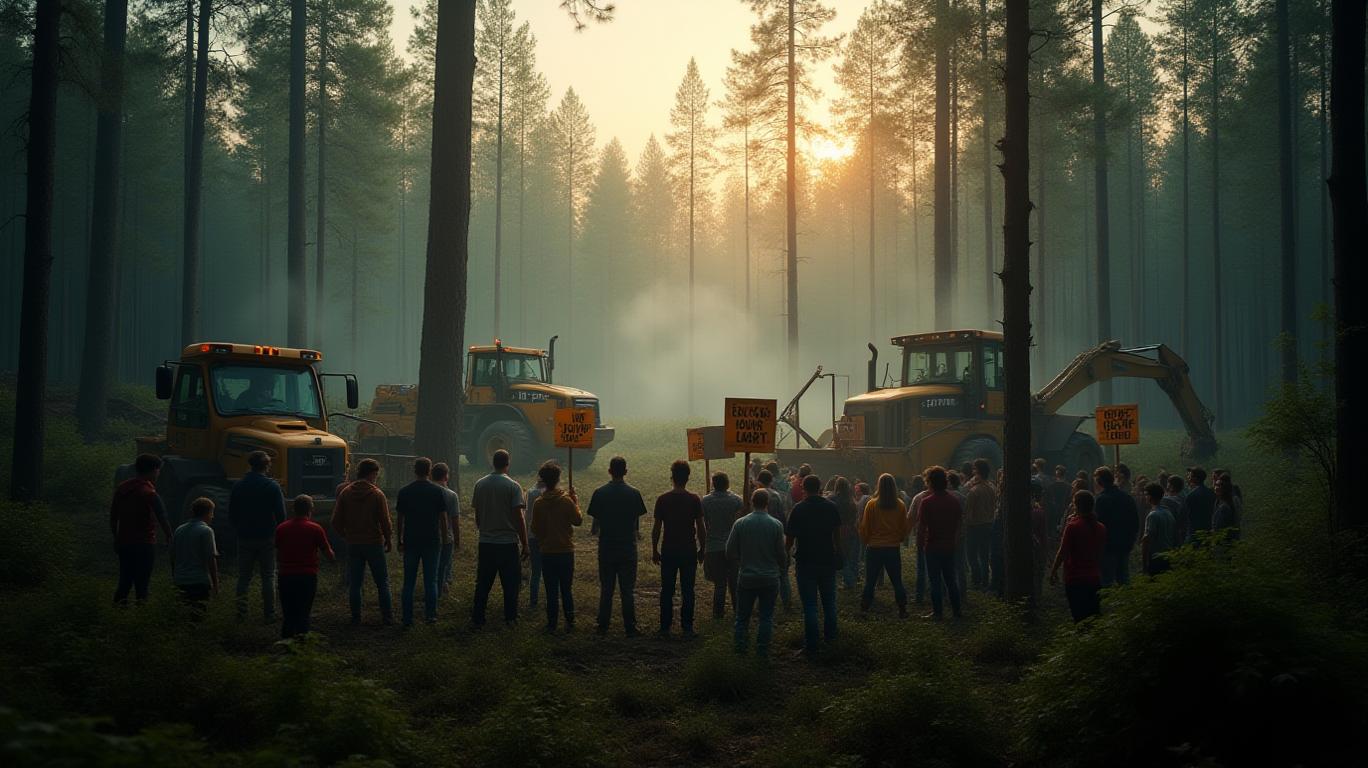
The Policy’s Provisions: Streamlining Logging at the Expense of Oversight
The order, issued under an “emergency declaration,” waives National Environmental Policy Act (NEPA) requirements for over 112 million acres of federal land, including critical forests in North Carolina, South Carolina, and Georgia. This allows the U.S. Forest Service to fast-track timber sales, expand clear-cutting, and reduce public input on projects. The goal is to increase timber output to meet domestic demand and reduce reliance on Canadian imports, which face new 34% tariffs.
However, critics argue the policy prioritizes industry interests over scientific evidence. Environmental groups like the Dogwood Alliance highlight that logging is already North Carolina’s third-largest source of greenhouse gas emissions, with the Southeast’s forests serving as critical carbon sinks.
Economic Crossroads: Timber vs. Tourism
The timber industry, including companies like WY (Weyerhaeuser) and PCH (PotlatchDeltic), stands to gain from the policy. Proponents argue that expanded logging will create jobs and bolster rural economies. The American Forest Resource Council claims only 35% of national forests are currently available for harvest, framing the order as a fix for “undermanaged” landscapes.
Yet, the Southeast’s economy is more dependent on tourism and recreation than logging. Outdoor activities support 5 million U.S. jobs—five times the number in the timber sector. In North Carolina, Pisgah National Forest alone generates $1.2 billion annually from hiking, fishing, and ecotourism.
Environmental and Social Risks: Flooding, Biodiversity Loss, and Community Health
Environmental advocates warn that the policy could worsen climate impacts. “Logging large, old trees releases carbon and destabilizes watersheds, exacerbating flooding,” says Danna Smith of the Dogwood Alliance. Rev. Leo Woodberry of South Carolina’s New Alpha Community Development Corp. notes that low-income and Black communities already face disproportionate flooding risks from existing logging practices.
Wildfire risks also remain contentious. While the administration cites fire mitigation as a rationale, scientists argue that large-scale logging can increase flammability by removing fire-resistant mature trees and leaving dry debris.
Legal and Political Uncertainty: A Brewing Backlash
Legal challenges are mounting, with Earthjustice vowing to “use every tool” to block the order. The USDA’s reliance on an “emergency” exemption lacks precedent, raising questions about its constitutionality. Meanwhile, bipartisan tensions are rising: while pro-logging states like Idaho back the policy, Southeastern governors may resist federal overreach in regions where forests are managed collaboratively.
Investor Takeaways: Navigating the Risks and Rewards
- Timber Companies: Short-term gains for WY and PCH could be tempered by long-term regulatory and climate risks. Legal battles and potential future Democratic reversals pose headwinds.
- Construction and Housing: The order aims to reduce reliance on Canadian lumber, but tariffs could inflate costs for builders.
- Renewables and ESG Funds: Investors focused on environmental, social, and governance (ESG) criteria may avoid forestry stocks amid reputational risks.
Conclusion: A High-Stakes Gamble with Unclear Returns
The Trump logging order represents a radical shift in federal land management, pitting economic growth against ecological and social well-being. While timber firms and rural communities may see near-term benefits, the Southeast’s forests face irreversible harm, from carbon emissions to biodiversity loss.
Investors must weigh the potential short-term gains in forestry stocks against the likelihood of prolonged legal battles and shifting political winds. With climate-conscious consumers and ESG investors increasingly influencing markets, companies that prioritize sustainable practices may outperform those relying on deregulation.
The policy’s 25% production target also hinges on demand: if housing starts remain sluggish due to economic uncertainty, oversupply could depress timber prices. For now, the Southeast’s forests stand at a crossroads—one where the rush to log today may cost far more than it gains tomorrow.
In this high-stakes game, prudence demands caution. The trees may fall, but the fallout could linger for decades.







Comentarios
Aún no hay comentarios