
Trump and Israel's Netanyahu: Spoke after US conducted strikes on Iran
PorAinvest
sábado, 21 de junio de 2025, 9:11 pm ET1 min de lectura
NNBR--
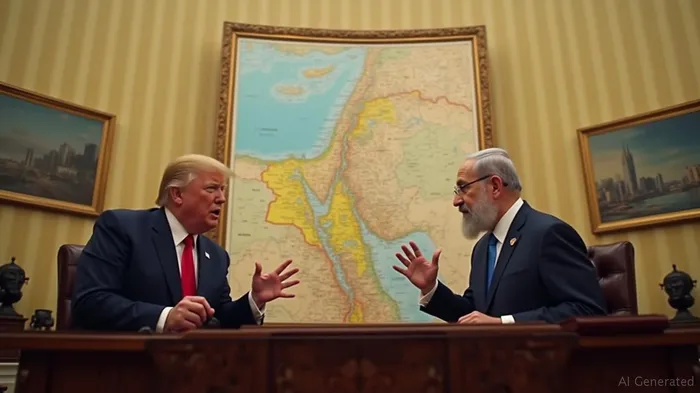
Trump's approach to the conflict has been characterized by ambiguity. Initially, he threatened Iran with "even more brutal" attacks and supported Israel's strikes. However, he has also emphasized his preference for a diplomatic solution, reflecting his self-described image as a world-class dealmaker. This vacillation has added to the uncertainty surrounding the conflict [1].
Netanyahu, on the other hand, has pressed for a more aggressive stance, arguing that the attacks on Iran are "fully coordinated" with the U.S. and that targeting Iran's Supreme Leader Ali Khamenei would end, not escalate, the conflict. However, an anonymous U.S. official briefed to some news outlets has indicated that Trump is against such a move [1].
The conflict has significant financial implications. The U.S. has been providing military support to Israel, including naval destroyers and ground-based missile batteries. The escalation of the conflict could potentially lead to increased defense spending and economic instability in the region. Furthermore, the risk of any American casualties would likely see the "America First" isolationist argument grow exponentially, potentially adding pressure on Trump to pull back and urge Netanyahu to bring the offensive to a swifter end [1].
The conflict also has geopolitical ramifications. Iran has threatened to attack U.S. bases in the region if the U.S. continues to assist Israel's defense. This could potentially lead to a broader conflict in the Middle East, with significant economic and financial consequences.
In conclusion, the Israel-Iran conflict is a complex and evolving situation that requires careful navigation by both Trump and Netanyahu. The financial and geopolitical implications of the conflict are significant, and the leaders will need to weigh the risks and benefits of military action and diplomatic efforts carefully.
References:
[1] https://www.bbc.com/news/articles/cx23e4pzjg3o
[2] https://cbn.com/news/israel/trump-calls-irans-unconditional-surrender-ayatollahs-response-battle-begins
Trump and Israel's Netanyahu: Spoke after US conducted strikes on Iran
In a complex geopolitical scenario, U.S. President Donald Trump and Israeli Prime Minister Benjamin Netanyahu have been navigating the escalating Israel-Iran conflict. The dynamic between the two leaders has been marked by shifting stances and strategic considerations, reflecting the intricate balance between military action and diplomatic efforts.Trump's approach to the conflict has been characterized by ambiguity. Initially, he threatened Iran with "even more brutal" attacks and supported Israel's strikes. However, he has also emphasized his preference for a diplomatic solution, reflecting his self-described image as a world-class dealmaker. This vacillation has added to the uncertainty surrounding the conflict [1].
Netanyahu, on the other hand, has pressed for a more aggressive stance, arguing that the attacks on Iran are "fully coordinated" with the U.S. and that targeting Iran's Supreme Leader Ali Khamenei would end, not escalate, the conflict. However, an anonymous U.S. official briefed to some news outlets has indicated that Trump is against such a move [1].
The conflict has significant financial implications. The U.S. has been providing military support to Israel, including naval destroyers and ground-based missile batteries. The escalation of the conflict could potentially lead to increased defense spending and economic instability in the region. Furthermore, the risk of any American casualties would likely see the "America First" isolationist argument grow exponentially, potentially adding pressure on Trump to pull back and urge Netanyahu to bring the offensive to a swifter end [1].
The conflict also has geopolitical ramifications. Iran has threatened to attack U.S. bases in the region if the U.S. continues to assist Israel's defense. This could potentially lead to a broader conflict in the Middle East, with significant economic and financial consequences.
In conclusion, the Israel-Iran conflict is a complex and evolving situation that requires careful navigation by both Trump and Netanyahu. The financial and geopolitical implications of the conflict are significant, and the leaders will need to weigh the risks and benefits of military action and diplomatic efforts carefully.
References:
[1] https://www.bbc.com/news/articles/cx23e4pzjg3o
[2] https://cbn.com/news/israel/trump-calls-irans-unconditional-surrender-ayatollahs-response-battle-begins
Divulgación editorial y transparencia de la IA: Ainvest News utiliza tecnología avanzada de Modelos de Lenguaje Largo (LLM) para sintetizar y analizar datos de mercado en tiempo real. Para garantizar los más altos estándares de integridad, cada artículo se somete a un riguroso proceso de verificación con participación humana.
Mientras la IA asiste en el procesamiento de datos y la redacción inicial, un miembro editorial profesional de Ainvest revisa, verifica y aprueba de forma independiente todo el contenido para garantizar su precisión y cumplimiento con los estándares editoriales de Ainvest Fintech Inc. Esta supervisión humana está diseñada para mitigar las alucinaciones de la IA y garantizar el contexto financiero.
Advertencia sobre inversiones: Este contenido se proporciona únicamente con fines informativos y no constituye asesoramiento profesional de inversión, legal o financiero. Los mercados conllevan riesgos inherentes. Se recomienda a los usuarios que realicen una investigación independiente o consulten a un asesor financiero certificado antes de tomar cualquier decisión. Ainvest Fintech Inc. se exime de toda responsabilidad por las acciones tomadas con base en esta información. ¿Encontró un error? Reportar un problema


SOBRE NOSOTROS
Nuestra historiaAutores de noticiasBase de conocimientosPolítica de privacidadTérmino de usoDescargo de responsabilidad de corretaje de tercerosTérminos de uso de AIMEDivulgaciones de riesgos de AInvest AICarrerasCONTÁCTENOS
Email: support@ainvest.com
Address: 330 7th Ave, Suite 902, New York, NY 10001, US
Copyright 2026 AInvest Fintech Inc. All rights reserved.


Comentarios
Aún no hay comentarios