
Can Trump's Inflationary Policies Support Lower Yields?
Generado por agente de IATheodore Quinn
jueves, 6 de febrero de 2025, 11:07 am ET1 min de lectura
As Donald Trump returns to the White House for a second term, investors are grappling with the potential implications of his economic policies on inflation and bond yields. Trump's proposed tariffs and tax cuts have raised concerns about higher inflation, which could lead to increased bond yields in the long term. However, some experts argue that these policies could also support lower yields, given the potential for higher economic growth and increased demand for U.S. Treasury bonds.
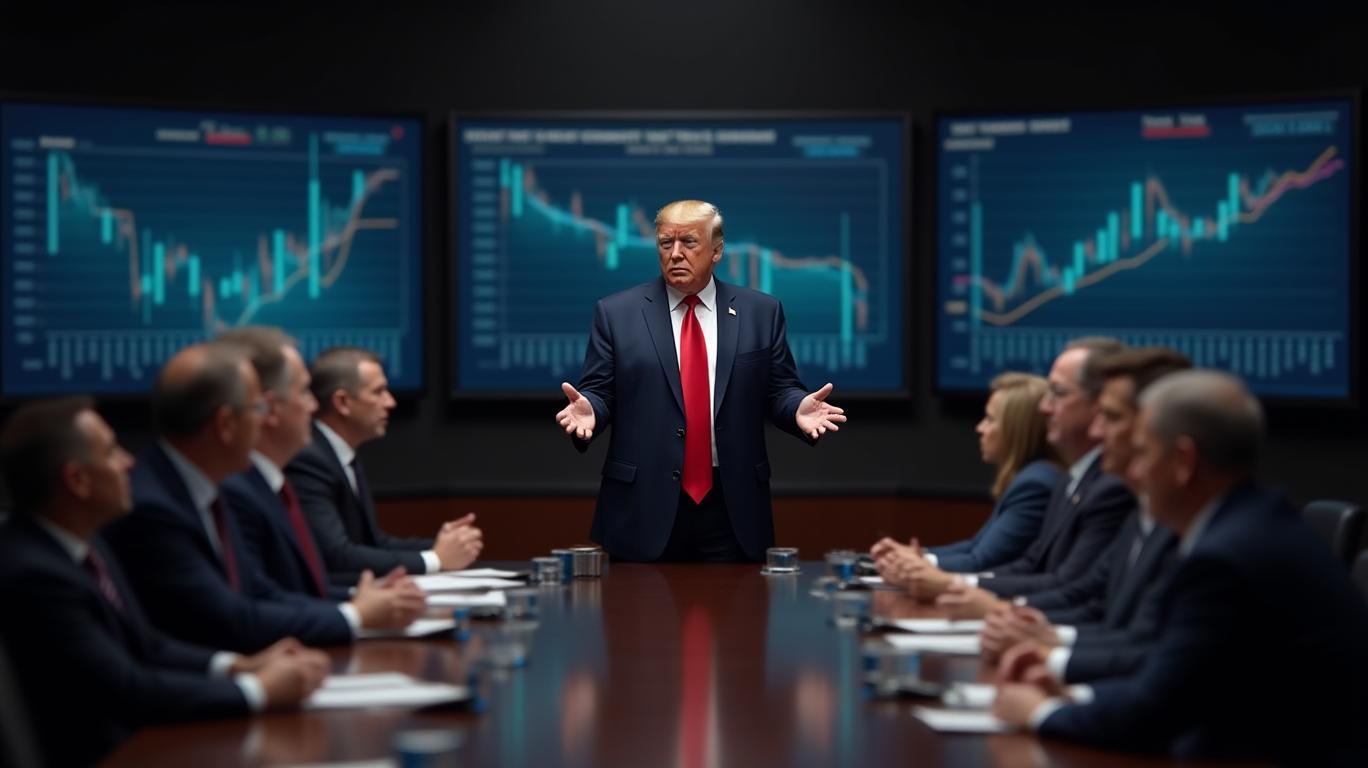
Trump's proposed tariffs on imports, particularly from China, could lead to higher inflation as imports become more expensive. This, in turn, could push up bond yields, as investors demand higher returns to compensate for the increased risk of inflation. However, some economists argue that the impact of tariffs on inflation may be overstated, and that the benefits of increased domestic manufacturing and investment could outweigh the costs of higher prices.
Trump's proposed tax cuts could also contribute to higher inflation by increasing demand for goods and services, driving up prices. However, lower taxes could also lead to higher wages, which could offset the inflationary impact of increased demand. Additionally, lower taxes could lead to higher economic growth, which could support lower bond yields as investors seek the safety and liquidity of U.S. Treasury bonds.

The Federal Reserve's response to Trump's policies could also influence the trajectory of bond yields. If the Fed raises interest rates in response to higher inflation, this could lead to higher bond yields, as investors demand higher returns to compensate for the increased risk of inflation. However, if the Fed keeps interest rates low to support economic growth, this could lead to lower bond yields, as investors seek the safety and liquidity of U.S. Treasury bonds.
In conclusion, Trump's inflationary policies could support lower yields if they lead to higher economic growth and increased demand for U.S. Treasury bonds. However, the impact of these policies on inflation and bond yields will depend on a variety of factors, including the specific policies implemented by Trump and the Fed's response to them. Investors should closely monitor the situation and adjust their portfolios accordingly.



Divulgación editorial y transparencia de la IA: Ainvest News utiliza tecnología avanzada de Modelos de Lenguaje Largo (LLM) para sintetizar y analizar datos de mercado en tiempo real. Para garantizar los más altos estándares de integridad, cada artículo se somete a un riguroso proceso de verificación con participación humana.
Mientras la IA asiste en el procesamiento de datos y la redacción inicial, un miembro editorial profesional de Ainvest revisa, verifica y aprueba de forma independiente todo el contenido para garantizar su precisión y cumplimiento con los estándares editoriales de Ainvest Fintech Inc. Esta supervisión humana está diseñada para mitigar las alucinaciones de la IA y garantizar el contexto financiero.
Advertencia sobre inversiones: Este contenido se proporciona únicamente con fines informativos y no constituye asesoramiento profesional de inversión, legal o financiero. Los mercados conllevan riesgos inherentes. Se recomienda a los usuarios que realicen una investigación independiente o consulten a un asesor financiero certificado antes de tomar cualquier decisión. Ainvest Fintech Inc. se exime de toda responsabilidad por las acciones tomadas con base en esta información. ¿Encontró un error? Reportar un problema




Comentarios
Aún no hay comentarios