
Trump's UN Funding Shift: A Geopolitical Chess Move with Market Implications
The Trump administration’s 2025 proposal to reduce U.S. contributions to UN peacekeeping budgets—cutting its rate from 27% to 26.15%—marks a strategic recalibration of global influence, fiscal priorities, and geopolitical leverage. While the move isn’t a full-scale withdrawal, it reflects a broader pattern of shifting financial burdens to rising powers like China (now at 23.78%) and recalibrating U.S. engagement with multilateral institutions. For investors, this decision underscores a critical question: How does the reallocation of global financial and military resources impact markets, trade, and regional stability?
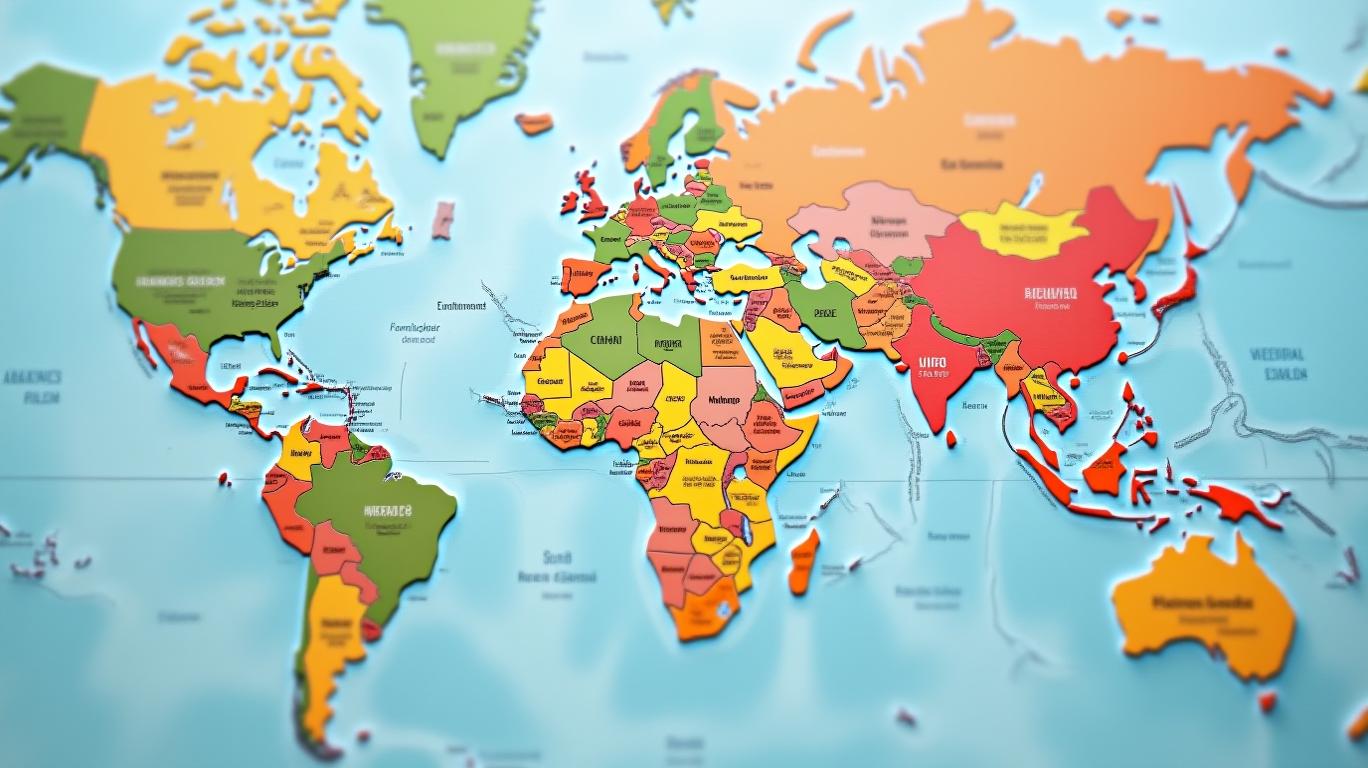
The Numbers: A Fiscal Shift with Geopolitical Undertones
The U.S. contribution cut translates to annual savings of approximately $47 million based on the 2024–2025 peacekeeping budget of $5.9 billion. Meanwhile, China’s increased share adds roughly $290 million annually to its obligations. This adjustment isn’t arbitrary; it’s part of triennial “scales of assessment” negotiations tied to a nation’s “capacity to pay,” measured by gross national income. The U.S. has long maintained a 22% cap on its regular UN budget contributions—the only developed nation to do so—positioning itself as a reluctant hegemon in multilateral funding.
The Geopolitical Play: Tariffs, Trade, and Strategic Pressure
The funding shift aligns with Trump’s broader economic agenda, including 25% tariffs on Canadian and Mexican imports and 10% tariffs on Chinese goods, which have triggered retaliatory measures and intensified trade tensions. By reducing its financial stake in UN peacekeeping, the U.S. may aim to pressure allies and adversaries alike to contribute more or risk destabilization in regions like Africa, where U.S. counterterrorism efforts rely on missions such as the African Union Support and Stabilization Mission in Somalia (AUSSOM).
The Risk: Funding Gaps and Security Blowback
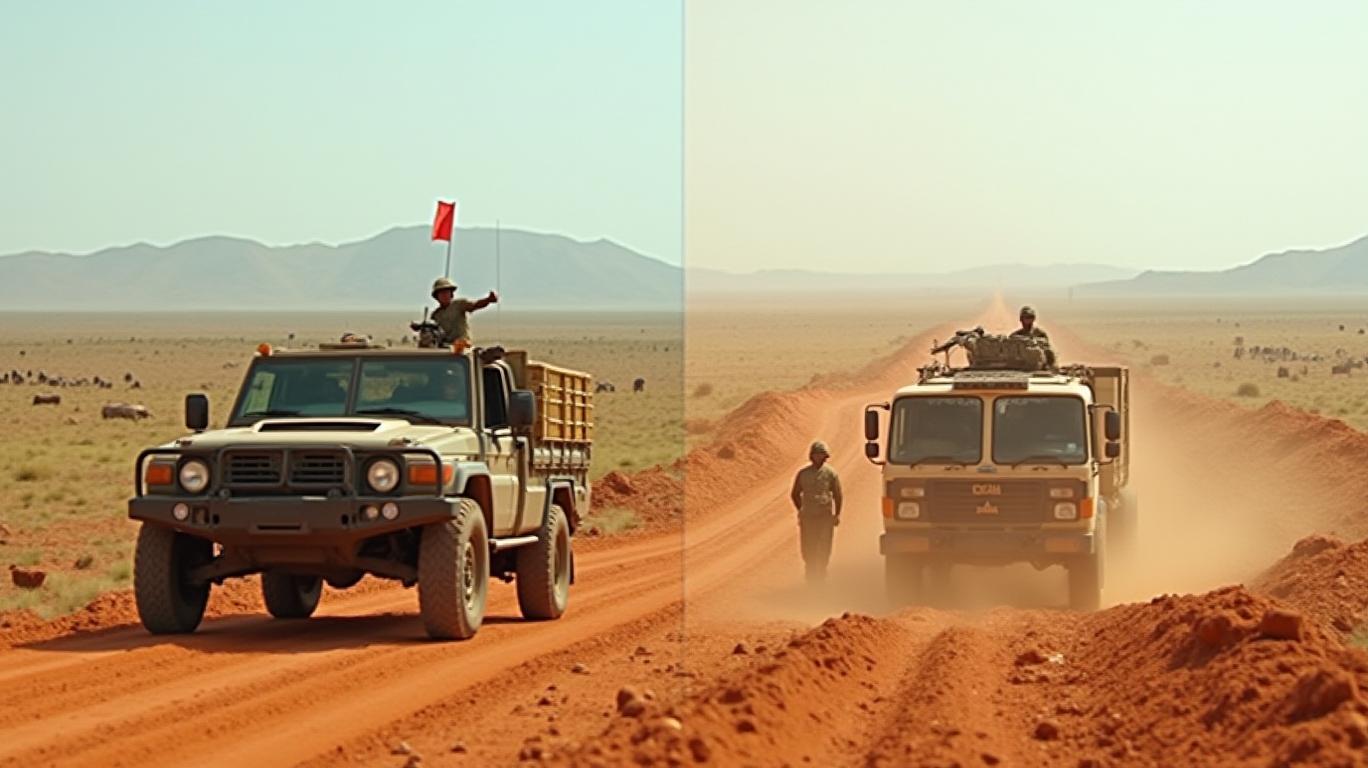
The U.S. opposition to funding AUSSOM under UN Security Council Resolution 2719—arguing it would require covering 90% of costs—threatens to destabilize Somalia, a critical front in the fight against Al Shabab. Analysts warn that a funding shortfall could force reliance on alternative donors like the EU or Gulf states, or prompt a mission drawdown. A destabilized Horn of Africa could ripple through markets:
- Defense contractors (e.g., BoeingBA--, Lockheed Martin) may see increased demand for regional counterterrorism support.
- Emerging markets in East Africa (e.g., Kenya, Ethiopia) could face heightened security risks, impacting tourism and infrastructure projects.
The Opportunity: Betting on Geopolitical Arbitrage
Investors might consider:
1. China’s growing influence: As Beijing shoulders more UN costs, its soft power in Africa—via Belt and Road investments—could expand.
2. Regional security plays: Companies like Blackstone’s GSO Capital (involved in African infrastructure) or defense firms with African operations may see opportunities in privatized security or reconstruction.
3. Diversification in global funds: ETFs like ACWI (MSCI All Country World Index) could hedge against geopolitical volatility.
Conclusion: A New Era of Multipolar Risks and Rewards
Trump’s UN funding maneuver isn’t just fiscal austerity—it’s a push to redefine U.S. strategic priorities in an era of rising multipolarity. While the $47 million saved pales against the U.S. federal budget, the ripple effects are profound:
- Geopolitical instability: A funding gap in Somalia risks emboldening Al Shabab, with potential spillover into neighboring states.
- Market volatility: Sectors tied to global security (defense, logistics) may see demand spikes, while emerging markets face heightened uncertainty.
- Long-term implications: The shift signals a broader trend of U.S. disengagement from multilateralism, potentially accelerating China’s influence in institutions and regions the U.S. once dominated.
Investors must monitor both the UN budget negotiations and regional security dynamics—especially in Africa—to position portfolios for a world where geopolitical chess moves increasingly dictate economic outcomes. The question isn’t just who pays for peacekeeping, but who profits from the new global order.







Comentarios
Aún no hay comentarios