
Trump Flashes Newfound Imperialist Streak in White House Return
Generado por agente de IATheodore Quinn
jueves, 6 de febrero de 2025, 4:34 am ET2 min de lectura
BCS--
As President-elect Donald Trump prepares to assume office for his second term, investors are bracing for potential market volatility and economic uncertainty. Trump's renewed focus on tariffs and protectionist policies has raised concerns about the impact on global trade and the U.S. economy. In this article, we will explore the potential implications of Trump's newfound imperialist streak on the stock market and the broader economy.
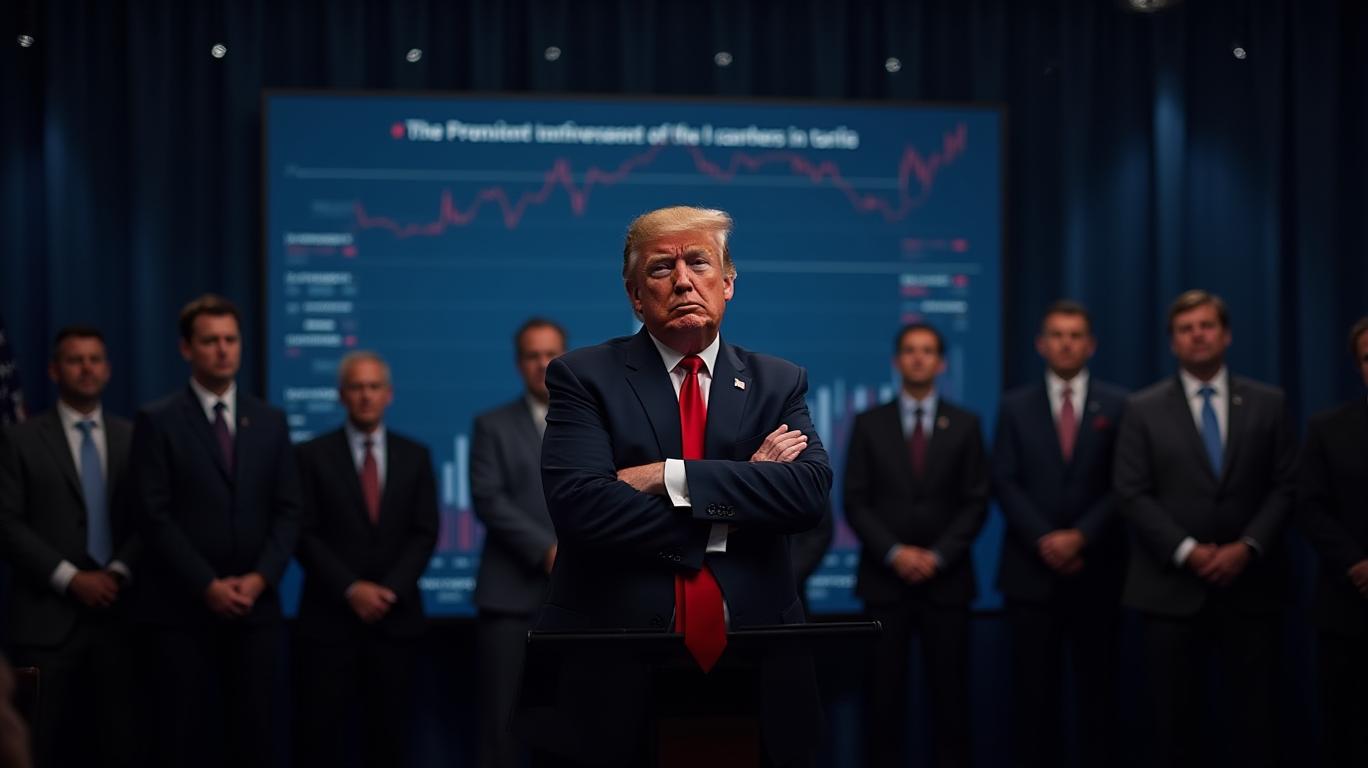
Trump's tariff threats have been a recurring theme throughout his political career, and his renewed focus on protectionist policies has raised concerns about the potential impact on the U.S. economy and global trade. In his first term, Trump imposed tariffs on a wide range of goods, including steel, aluminum, and goods from China. These tariffs had a significant impact on the U.S. economy, with the Congressional Research Service estimating that they cost the U.S. economy $68 billion in 2019 alone.
The potential impact of Trump's tariffs on the U.S. economy is a significant concern for investors. Higher tariffs can lead to increased costs for U.S. businesses, which can in turn lead to lower profit margins and reduced earnings. This can have a negative impact on the stock market, as investors may sell off shares in companies that are heavily exposed to tariffs.
One sector that is particularly vulnerable to Trump's tariffs is the materials sector. The materials sector is heavily exposed to international supply chains, and any disruptions to these supply chains can have a significant impact on earnings. According to Barclays, proposed tariffs on Canada, Mexico, and China could drag S&P 500 earnings down by 2.8%, with the materials sector being one of the hardest hit.

Another sector that is vulnerable to Trump's tariffs is the consumer discretionary sector. The consumer discretionary sector is heavily exposed to international supply chains, and any disruptions to these supply chains can lead to higher costs for consumers. This can in turn lead to reduced demand for discretionary goods, which can have a negative impact on earnings.
Trump's tariffs could also have a significant impact on the industrials sector. The industrials sector is heavily exposed to international supply chains, and any disruptions to these supply chains can lead to higher costs for manufacturers. This can in turn lead to reduced profit margins and reduced earnings.

In addition to the direct impact of Trump's tariffs on the U.S. economy, there is also the potential for retaliatory tariffs from targeted countries. Retaliatory tariffs can exacerbate the earnings hit to U.S. companies by increasing costs for U.S. businesses that rely on imports from those countries, as well as by reducing demand for U.S. exports. This can lead to lower profit margins and reduced earnings for U.S. companies.
In conclusion, Trump's newfound imperialist streak and renewed focus on tariffs and protectionist policies have raised concerns about the potential impact on the U.S. economy and global trade. The potential impact of Trump's tariffs on the U.S. economy is a significant concern for investors, with the materials, consumer discretionary, and industrials sectors particularly vulnerable. Retaliatory tariffs from targeted countries could exacerbate the earnings hit to U.S. companies, leading to lower profit margins and reduced earnings. Investors should closely monitor the situation and be prepared for potential market volatility and economic uncertainty.
As President-elect Donald Trump prepares to assume office for his second term, investors are bracing for potential market volatility and economic uncertainty. Trump's renewed focus on tariffs and protectionist policies has raised concerns about the impact on global trade and the U.S. economy. In this article, we will explore the potential implications of Trump's newfound imperialist streak on the stock market and the broader economy.
Trump's tariff threats have been a recurring theme throughout his political career, and his renewed focus on protectionist policies has raised concerns about the potential impact on the U.S. economy and global trade. In his first term, Trump imposed tariffs on a wide range of goods, including steel, aluminum, and goods from China. These tariffs had a significant impact on the U.S. economy, with the Congressional Research Service estimating that they cost the U.S. economy $68 billion in 2019 alone.
The potential impact of Trump's tariffs on the U.S. economy is a significant concern for investors. Higher tariffs can lead to increased costs for U.S. businesses, which can in turn lead to lower profit margins and reduced earnings. This can have a negative impact on the stock market, as investors may sell off shares in companies that are heavily exposed to tariffs.
One sector that is particularly vulnerable to Trump's tariffs is the materials sector. The materials sector is heavily exposed to international supply chains, and any disruptions to these supply chains can have a significant impact on earnings. According to Barclays, proposed tariffs on Canada, Mexico, and China could drag S&P 500 earnings down by 2.8%, with the materials sector being one of the hardest hit.
Another sector that is vulnerable to Trump's tariffs is the consumer discretionary sector. The consumer discretionary sector is heavily exposed to international supply chains, and any disruptions to these supply chains can lead to higher costs for consumers. This can in turn lead to reduced demand for discretionary goods, which can have a negative impact on earnings.
Trump's tariffs could also have a significant impact on the industrials sector. The industrials sector is heavily exposed to international supply chains, and any disruptions to these supply chains can lead to higher costs for manufacturers. This can in turn lead to reduced profit margins and reduced earnings.
In addition to the direct impact of Trump's tariffs on the U.S. economy, there is also the potential for retaliatory tariffs from targeted countries. Retaliatory tariffs can exacerbate the earnings hit to U.S. companies by increasing costs for U.S. businesses that rely on imports from those countries, as well as by reducing demand for U.S. exports. This can lead to lower profit margins and reduced earnings for U.S. companies.
In conclusion, Trump's newfound imperialist streak and renewed focus on tariffs and protectionist policies have raised concerns about the potential impact on the U.S. economy and global trade. The potential impact of Trump's tariffs on the U.S. economy is a significant concern for investors, with the materials, consumer discretionary, and industrials sectors particularly vulnerable. Retaliatory tariffs from targeted countries could exacerbate the earnings hit to U.S. companies, leading to lower profit margins and reduced earnings. Investors should closely monitor the situation and be prepared for potential market volatility and economic uncertainty.

Divulgación editorial y transparencia de la IA: Ainvest News utiliza tecnología avanzada de Modelos de Lenguaje Largo (LLM) para sintetizar y analizar datos de mercado en tiempo real. Para garantizar los más altos estándares de integridad, cada artículo se somete a un riguroso proceso de verificación con participación humana.
Mientras la IA asiste en el procesamiento de datos y la redacción inicial, un miembro editorial profesional de Ainvest revisa, verifica y aprueba de forma independiente todo el contenido para garantizar su precisión y cumplimiento con los estándares editoriales de Ainvest Fintech Inc. Esta supervisión humana está diseñada para mitigar las alucinaciones de la IA y garantizar el contexto financiero.
Advertencia sobre inversiones: Este contenido se proporciona únicamente con fines informativos y no constituye asesoramiento profesional de inversión, legal o financiero. Los mercados conllevan riesgos inherentes. Se recomienda a los usuarios que realicen una investigación independiente o consulten a un asesor financiero certificado antes de tomar cualquier decisión. Ainvest Fintech Inc. se exime de toda responsabilidad por las acciones tomadas con base en esta información. ¿Encontró un error? Reportar un problema


SOBRE NOSOTROS
Nuestra historiaAutores de noticiasBase de conocimientosPolítica de privacidadTérmino de usoDescargo de responsabilidad de corretaje de tercerosTérminos de uso de AIMEDivulgaciones de riesgos de AInvest AICarrerasCONTÁCTENOS
Email: support@ainvest.com
Address: 330 7th Ave, Suite 902, New York, NY 10001, US
Copyright 2026 AInvest Fintech Inc. All rights reserved.


Comentarios
Aún no hay comentarios