
Trump's Fiscal Tightening: Indirect Influence on Fed Policy and Cryptocurrency Market
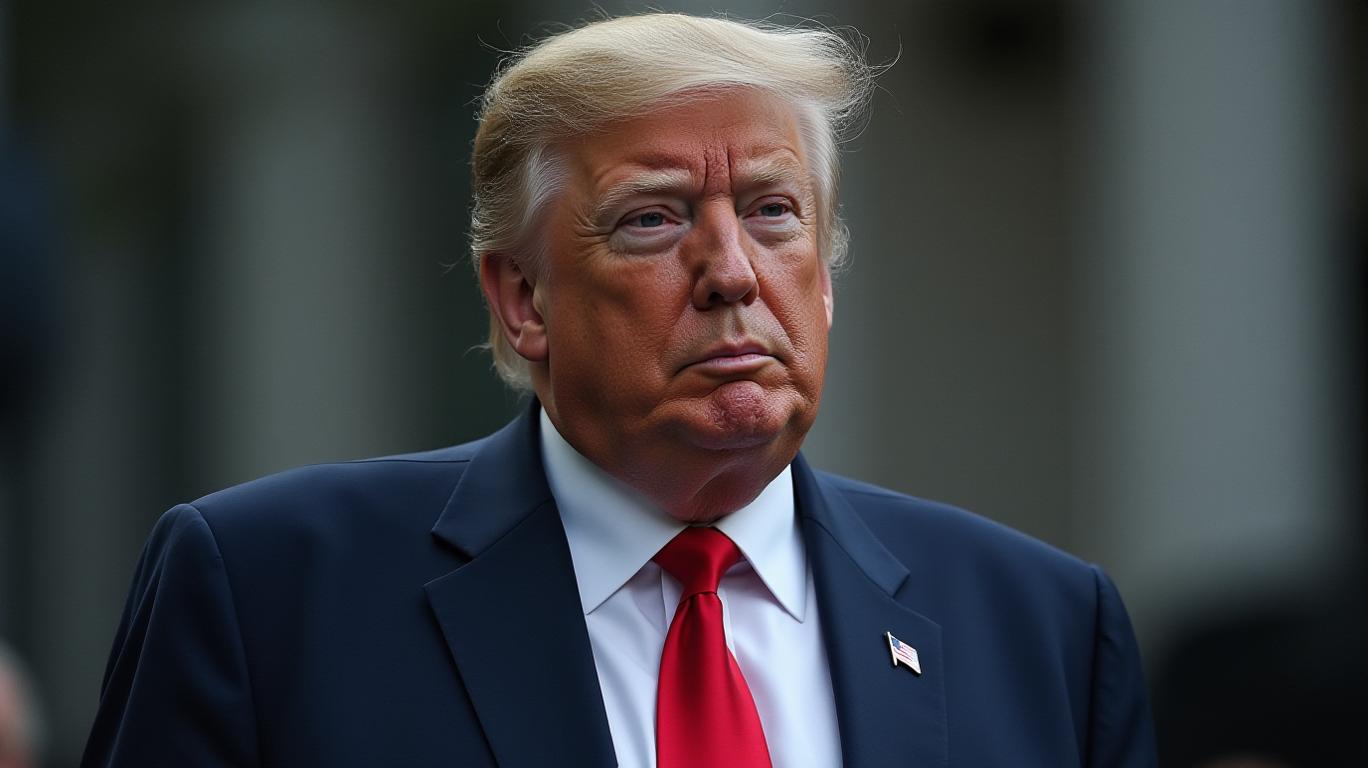
Former President Trump's fiscal tightening policies, as outlined by Nir Kaissar, head of Unison Advisors, have sparked debate on their potential impact on the Federal Reserve's policies. Kaissar suggests that Trump's approach may indirectly influence the Fed to lower interest rates, given the growing significance of fiscal policy in recent years. Treasury Secretary Scott Bessent has indicated a government initiative to reduce the deficit to 3% of GDP, which would require substantial spending cuts of up to $1 trillion from Trump's Department of Government Efficiency (DOGE).
The feasibility of achieving this ambitious target remains uncertain, but the potential for spending cuts is already affecting market sentiment and economic growth. By implementing expenditure reductions, Trump may be inadvertently advocating for a more accommodative monetary policy stance amidst these fiscal constraints. The implications of such cuts on economic growth are crucial for the Fed's decision-making process, as a correlation with economic deceleration could prompt a policy response.
The impact of Trump's fiscal tightening on the cryptocurrency market, particularly Dogecoin (DOGE), is another area of interest. As the government seeks to reduce spending, the potential influence on the Fed's policies could indirectly affect the broader market, including cryptocurrencies. While the direct impact on DOGE remains unclear, the overall market sentiment and economic growth could be influenced by these fiscal policies.
As the government pursues deficit reduction, the potential for spending cuts and their impact on the economy will continue to be a focus for investors and policymakers alike. The Fed's response to these fiscal constraints will be crucial in shaping the economic landscape and, by extension, the broader market, including cryptocurrencies like DOGE.






Comentarios
Aún no hay comentarios