
Trump Eyes National Crypto Reserve with Seized Bitcoin
President Donald Trump is considering a significant policy shift that would involve the U.S. government retaining seized Bitcoin and other cryptocurrency assets instead of selling them. This move aims to create a national digital asset stockpile, which could serve as a strategic reserve for the country. The evaluation of this policy change comes as the White House prepares for its Crypto Summit, where discussions on the initiative are expected to advance.
Trump's proposal involves establishing a U.S. crypto reserve with Bitcoin, Ether, and other valuable crypto assets at its core. However, this plan faces substantial challenges, including the need for congressional approval and potential political and taxpayer concerns. The administration is exploring alternative approaches, such as building the stockpile solely from seized crypto assets without making market purchases.
Over the past decade, the federal government has sold approximately 195,000 Bitcoin, generating proceeds of $366 million. If the government had retained these assets, they would be worth over $17 billion today. This highlights the significant financial loss incurred by the government's short-term sale strategy, which has cost American taxpayers dearly. The proposal to create a national digital asset stockpile aims to address this issue by holding onto seized cryptocurrencies rather than selling them.
Trump's initiative has sparked discussions within the crypto community and among lawmakers. Proponents argue that a national Bitcoin stockpile could provide economic stability and position the U.S. as a leader in digital asset management. However, critics express concerns about potential government overreach and the lack of transparency in managing these assets. The planning phase for this federal cryptocurrency reserve has already begun, with advisors mapping out the necessary steps for implementation.
The reserve would include not only Bitcoin but also other digital assets seized from illicit activities. This approach suggests that the government may hold onto these assets rather than selling them, which could have significant implications for the crypto market and law enforcement strategies. The proposal has also raised questions about the role of Congress in overseeing such a reserve, with some lawmakers expressing concerns about the creation of a strategic reserve without congressional approval.
The debate continues as to whether this initiative will move forward and how it will be integrated into the broader economic and regulatory framework of the United States. The potential for a national digital asset stockpile represents a significant shift in the government's approach to cryptocurrencies, with implications for both economic policy and law enforcement strategies 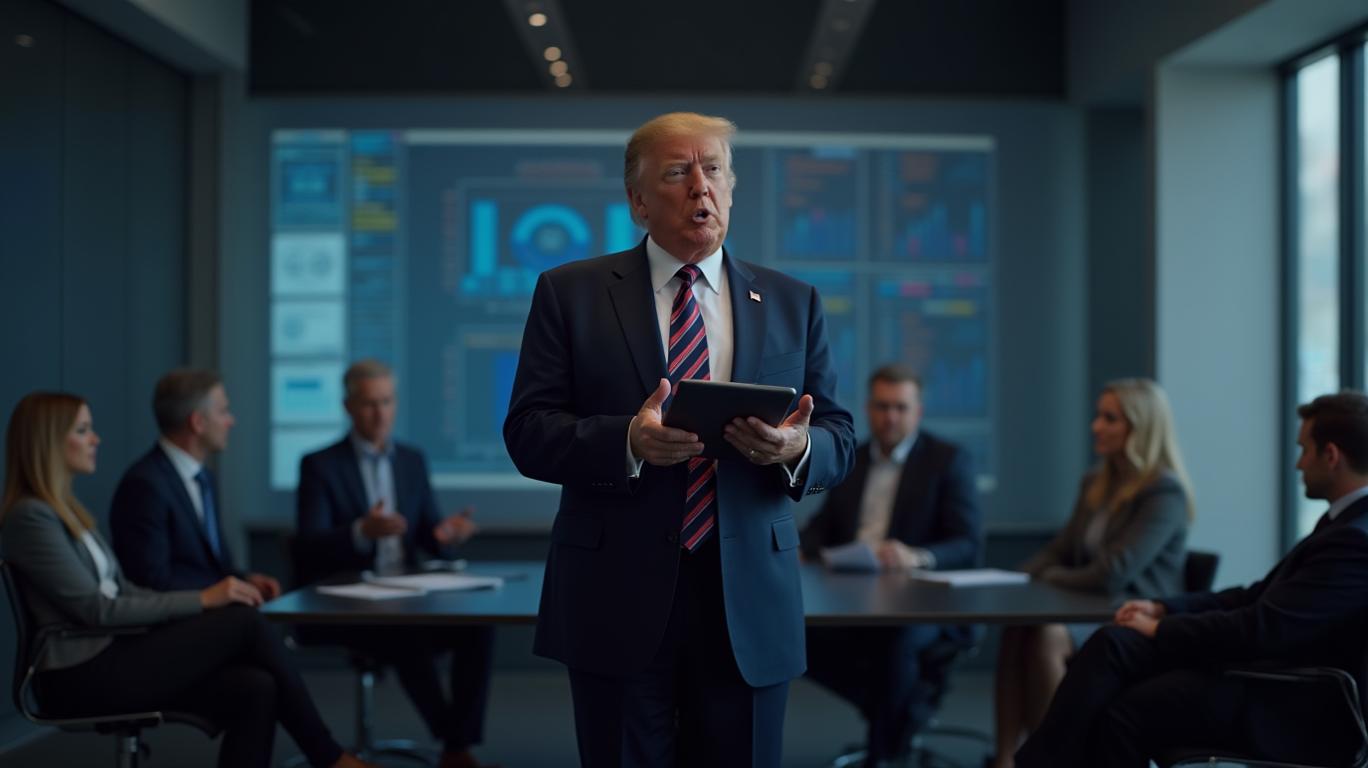






Comentarios
Aún no hay comentarios