
"Trump Eyes Approval Of Controversial Steel Merger: Nippon, US Steel Await Key Decision"
Generado por agente de IACyrus Cole
martes, 18 de marzo de 2025, 12:36 pm ET3 min de lectura
The steel industry, a cornerstone of American manufacturing and infrastructure, is at a crossroads. President Donald Trump's administration is considering approving a $14.1 billion acquisition of U.S. Steel by Japan's Nippon Steel, a move that could reshape the global steel market and have far-reaching implications for both countries' economies and geopolitical relations.
The proposed merger, initially announced in December 2023, has sparked intense political and regulatory scrutiny. The deal, if approved, would create one of the world's largest steel producers, with significant implications for national security, job creation, and global trade dynamics. However, the merger has faced stiff opposition from various quarters, including labor unions and political interests in Pennsylvania, where U.S. Steel is headquartered.
The Trump administration's decision to grant a 21-day extension for further negotiations indicates a willingness to find a compromise. This flexibility could pave the way for more nuanced regulatory decisions in the future, allowing for foreign investments while addressing national security concerns. Trump's suggestion that Nippon Steel might take a minority stake in U.S. Steel, rather than a full acquisition, highlights a more flexible approach compared to the Biden administration's outright rejection. This approach could set a precedent for future deals involving foreign investments in strategically important sectors.
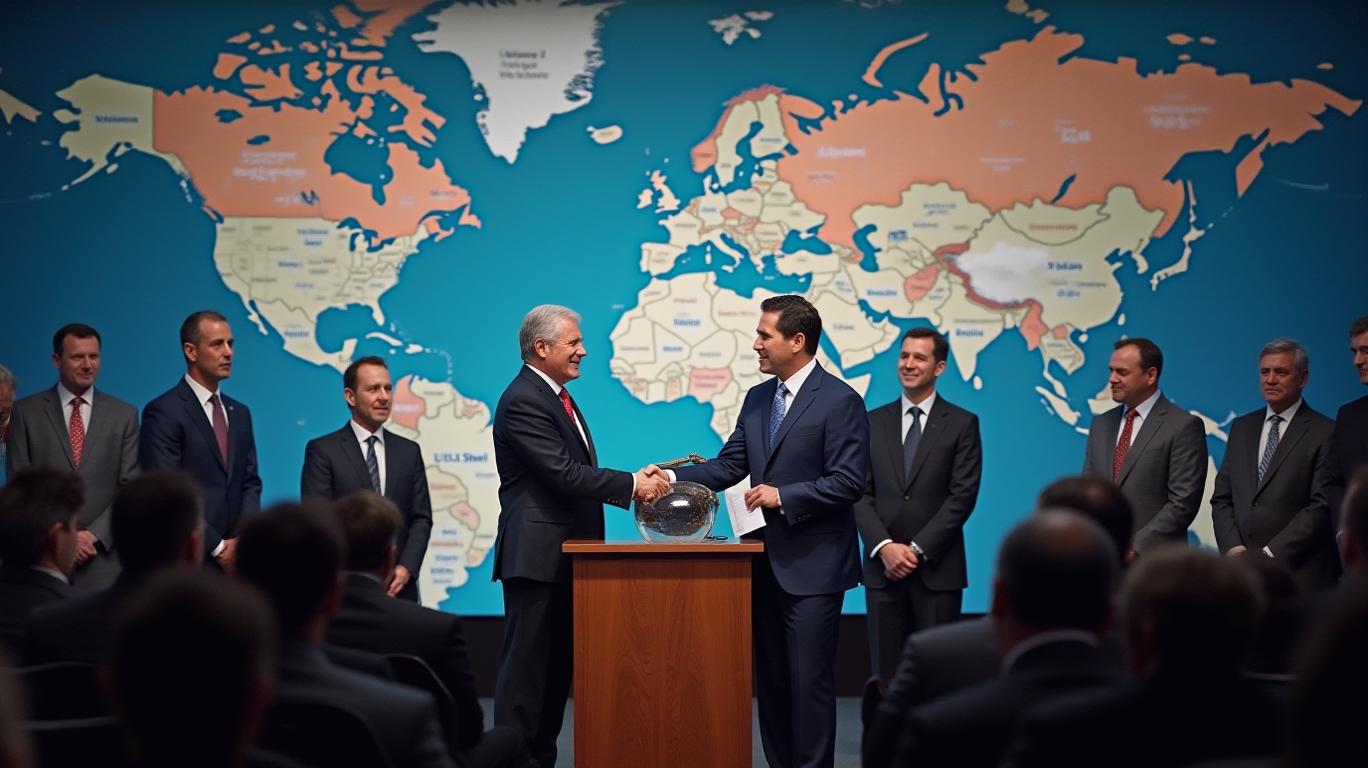
The regulatory and legal landscape for international mergers and acquisitions in the U.S. could be significantly reshaped by the outcome of this merger. The Trump administration's decision to grant a 21-day extension for further negotiations indicates a willingness to find a compromise, which could set a precedent for future deals involving foreign investments in strategically important sectors. Trump's suggestion that Nippon Steel might take a minority stake in U.S. Steel, rather than a full acquisition, highlights a more flexible approach compared to the Biden administration's outright rejection. This flexibility could pave the way for more nuanced regulatory decisions in the future, allowing for foreign investments while addressing national security concerns.
The legal and regulatory tug-of-war reflects the broader chaos induced by shifting trade policies and internal policy reversals that continue to unsettle markets. The Trump administration's request for an extension suggests a willingness to find a compromise solution that could allow the U.S. Steel and Nippon Steel merger to proceed in some form. Trump's previous statement that he "would not mind if Nippon Steel took a minority stake" indicates a more flexible approach than the Biden administration's outright rejection. The consent of both companies to the extension demonstrates their optimism about reaching a favorable resolution through ongoing discussions. A successful resolution could strengthen U.S.-Japan relations and reinforce Japan's position as a key allyALLY--, especially given Japan's support for U.S. security initiatives.
However, the case also sets a concerning precedent for foreign investment in U.S. companies, potentially chilling future cross-border M&A activity in sectors deemed strategically important. The national securitySNFCA-- argument against the merger, though questioned by some experts, could still be used to impose strict conditions that make the deal less attractive. Ongoing opposition from labor unions and political interests in Pennsylvania could continue to influence the regulatory process. The case remains emblematic of the broader challenges facing multinational mergers in an era of volatile trade policies and regulatory unpredictability. As both companies navigate this turbulent legal landscape, investors are left to wonder whether these delays will finally clear the path for the merger or further deepen market uncertainty. Looking ahead, the resolution of this dispute will be closely watched as it could signal a shift in how national security concerns are balanced against corporate transactions in the global energy sector. With key deadlines now pushed to May, market participants will be keenly monitoring any further developments that could reshape the regulatory environment for mergers and acquisitions.
The potential geopolitical implications of the merger between Nippon Steel and U.S. Steel are significant, given the strategic importance of the steel industry to both the U.S. and Japan. The steel industry is a backbone of manufacturing and infrastructure development, and its control has far-reaching implications for national security and economic stability.
Firstly, the merger could strengthen the strategic allianceAENT-- between the U.S. and Japan. The U.S.-Japan economic relationship has long been characterized by mutual benefits and cooperation. The Nippon-U.S. steel deal is a testament to the strength of this relationship and the potential for continued growth. This partnership could enhance both countries' ability to compete globally and ensure a stable supply of steel, which is crucial for defense and infrastructure projects.
Secondly, the merger could influence future trade relations between the two countries. If the merger is approved, it could set a precedent for future cross-border investments and mergers, fostering a more open and cooperative trade environment. However, if the merger is blocked, it could create tensions and uncertainty, potentially leading to retaliatory measures or a more protectionist stance from either country.
Thirdly, the merger could have implications for national security. The steel industry is vital for defense and infrastructure, and control over it could influence a country's ability to respond to geopolitical threats. The proposed deal, which has sparked considerable political resistance, is emblematic of the broader challenges facing international mergers and acquisitions within the steel sector. This resistance highlights the strategic importance of the steel industry and the potential geopolitical implications of the merger.
In conclusion, the potential approval of the Nippon Steel and U.S. Steel merger by the Trump administration could have significant implications for the broader U.S. steel industry, including increased competition, market consolidation, and shifts in global steel production and trade patterns. These changes could create both opportunities and challenges for domestic steel manufacturers, as they navigate the evolving market dynamics. The outcome of this merger will likely have lasting implications for international trade, investment strategies, and the global economic order. As the steel industry navigates this uncertain terrain, the future of international mergers and acquisitions hangs in the balance, with political considerations as influential as market forces in shaping the industry's destiny.



Divulgación editorial y transparencia de la IA: Ainvest News utiliza tecnología avanzada de Modelos de Lenguaje Largo (LLM) para sintetizar y analizar datos de mercado en tiempo real. Para garantizar los más altos estándares de integridad, cada artículo se somete a un riguroso proceso de verificación con participación humana.
Mientras la IA asiste en el procesamiento de datos y la redacción inicial, un miembro editorial profesional de Ainvest revisa, verifica y aprueba de forma independiente todo el contenido para garantizar su precisión y cumplimiento con los estándares editoriales de Ainvest Fintech Inc. Esta supervisión humana está diseñada para mitigar las alucinaciones de la IA y garantizar el contexto financiero.
Advertencia sobre inversiones: Este contenido se proporciona únicamente con fines informativos y no constituye asesoramiento profesional de inversión, legal o financiero. Los mercados conllevan riesgos inherentes. Se recomienda a los usuarios que realicen una investigación independiente o consulten a un asesor financiero certificado antes de tomar cualquier decisión. Ainvest Fintech Inc. se exime de toda responsabilidad por las acciones tomadas con base en esta información. ¿Encontró un error? Reportar un problema


SOBRE NOSOTROS
Nuestra historiaAutores de noticiasBase de conocimientosPolítica de privacidadTérmino de usoDescargo de responsabilidad de corretaje de tercerosTérminos de uso de AIMEDivulgaciones de riesgos de AInvest AICarrerasCONTÁCTENOS
Email: support@ainvest.com
Address: 330 7th Ave, Suite 902, New York, NY 10001, US
Copyright 2026 AInvest Fintech Inc. All rights reserved.


Comentarios
Aún no hay comentarios