
Trump's Executive Order: A New Era for Financial Regulation
Generado por agente de IAWesley Park
jueves, 27 de febrero de 2025, 8:58 am ET1 min de lectura
FISI--
President Donald Trump's recent executive order has sparked a wave of speculation about its potential impact on the Federal Reserve, the Securities and Exchange Commission (SEC), and other financial regulators. The order, signed on February 27, 2025, seeks to give the White House direct control over independent federal regulators, aiming to reshape the regulatory landscape and assert greater authority over the government.
The order's provisions include requiring independent agencies to submit proposed rule changes to the White House for review, set up White House Liaison offices, and regularly consult with and coordinate policies and priorities with the White House. Additionally, the order asserts that the president's and the attorney general's interpretations of the law are binding, and alternative interpretations require authorization.
While the order specifically exempts the Federal Reserve's Board of Governors and Open Market Committee from its provisions, maintaining their independence in setting short-term interest rates, it could still have indirect implications for the Fed. By creating a more politicized environment, the order may increase pressure on the Fed to align its policies with the president's agenda. Furthermore, the order's requirement for independent agencies to submit proposed rule changes to the White House for review could potentially influence the Fed's regulatory decisions, although the order explicitly exempts the Fed's interest rate-setting responsibilities.
The order's impact on the SEC's regulatory oversight of the financial system could be significant. By granting the White House more control over the SEC's agenda, there could be shifts in regulatory priorities, potentially leading to a focus on deregulation and industry-friendly initiatives. This could result in a reduction in investor protection and market stability. Changes in regulatory priorities and a reduction in the SEC's independence could erode investor confidence, leading to market volatility and instability.
The order's provisions for White House control over independent agencies' funding and performance standards could also influence the regulatory environment for financial institutionsFISI-- and industries. By allowing the White House Office of Management and Budget to change funding apportioned to independent agencies and set performance standards, the administration could encourage agencies to adopt a more lenient regulatory approach. This could create a more favorable environment for financial institutions, potentially at the expense of consumers and the broader economy.
In conclusion, President Trump's executive order could have significant implications for the Federal Reserve, the SEC, and other financial regulators. While the order's long-term effects remain to be seen, it is clear that the Trump administration is seeking to assert greater control over the regulatory landscape. As the administration implements the order's provisions, it will be crucial for investors, financial institutions, and consumers to monitor the situation closely and adapt to any changes in the regulatory environment.
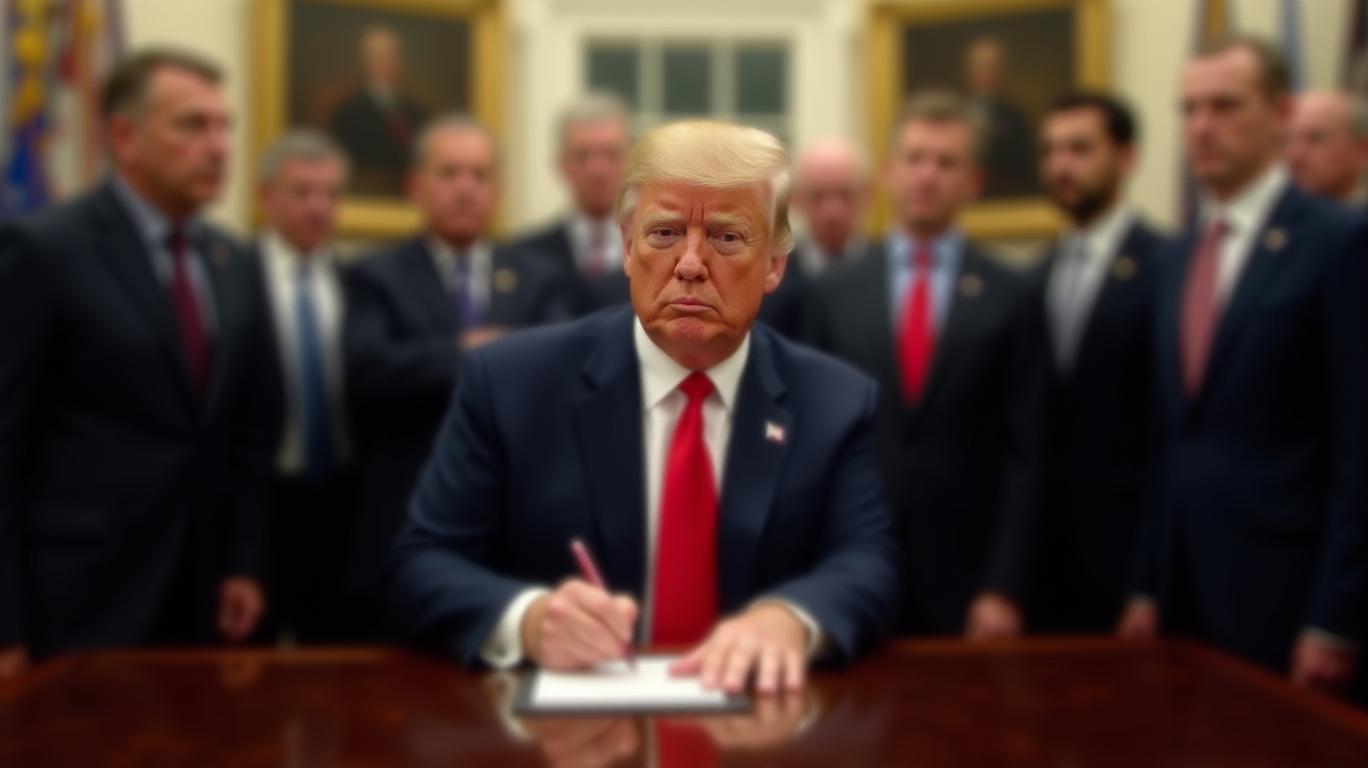
President Donald Trump's recent executive order has sparked a wave of speculation about its potential impact on the Federal Reserve, the Securities and Exchange Commission (SEC), and other financial regulators. The order, signed on February 27, 2025, seeks to give the White House direct control over independent federal regulators, aiming to reshape the regulatory landscape and assert greater authority over the government.
The order's provisions include requiring independent agencies to submit proposed rule changes to the White House for review, set up White House Liaison offices, and regularly consult with and coordinate policies and priorities with the White House. Additionally, the order asserts that the president's and the attorney general's interpretations of the law are binding, and alternative interpretations require authorization.
While the order specifically exempts the Federal Reserve's Board of Governors and Open Market Committee from its provisions, maintaining their independence in setting short-term interest rates, it could still have indirect implications for the Fed. By creating a more politicized environment, the order may increase pressure on the Fed to align its policies with the president's agenda. Furthermore, the order's requirement for independent agencies to submit proposed rule changes to the White House for review could potentially influence the Fed's regulatory decisions, although the order explicitly exempts the Fed's interest rate-setting responsibilities.
The order's impact on the SEC's regulatory oversight of the financial system could be significant. By granting the White House more control over the SEC's agenda, there could be shifts in regulatory priorities, potentially leading to a focus on deregulation and industry-friendly initiatives. This could result in a reduction in investor protection and market stability. Changes in regulatory priorities and a reduction in the SEC's independence could erode investor confidence, leading to market volatility and instability.
The order's provisions for White House control over independent agencies' funding and performance standards could also influence the regulatory environment for financial institutionsFISI-- and industries. By allowing the White House Office of Management and Budget to change funding apportioned to independent agencies and set performance standards, the administration could encourage agencies to adopt a more lenient regulatory approach. This could create a more favorable environment for financial institutions, potentially at the expense of consumers and the broader economy.
In conclusion, President Trump's executive order could have significant implications for the Federal Reserve, the SEC, and other financial regulators. While the order's long-term effects remain to be seen, it is clear that the Trump administration is seeking to assert greater control over the regulatory landscape. As the administration implements the order's provisions, it will be crucial for investors, financial institutions, and consumers to monitor the situation closely and adapt to any changes in the regulatory environment.

Divulgación editorial y transparencia de la IA: Ainvest News utiliza tecnología avanzada de Modelos de Lenguaje Largo (LLM) para sintetizar y analizar datos de mercado en tiempo real. Para garantizar los más altos estándares de integridad, cada artículo se somete a un riguroso proceso de verificación con participación humana.
Mientras la IA asiste en el procesamiento de datos y la redacción inicial, un miembro editorial profesional de Ainvest revisa, verifica y aprueba de forma independiente todo el contenido para garantizar su precisión y cumplimiento con los estándares editoriales de Ainvest Fintech Inc. Esta supervisión humana está diseñada para mitigar las alucinaciones de la IA y garantizar el contexto financiero.
Advertencia sobre inversiones: Este contenido se proporciona únicamente con fines informativos y no constituye asesoramiento profesional de inversión, legal o financiero. Los mercados conllevan riesgos inherentes. Se recomienda a los usuarios que realicen una investigación independiente o consulten a un asesor financiero certificado antes de tomar cualquier decisión. Ainvest Fintech Inc. se exime de toda responsabilidad por las acciones tomadas con base en esta información. ¿Encontró un error? Reportar un problema


SOBRE NOSOTROS
Nuestra historiaAutores de noticiasBase de conocimientosPolítica de privacidadTérmino de usoDescargo de responsabilidad de corretaje de tercerosTérminos de uso de AIMEDivulgaciones de riesgos de AInvest AICarrerasCONTÁCTENOS
Email: support@ainvest.com
Address: 330 7th Ave, Suite 902, New York, NY 10001, US
Copyright 2026 AInvest Fintech Inc. All rights reserved.


Comentarios
Aún no hay comentarios