
Trump's Executive Order: A Boost for U.S. Shipbuilding and a Challenge to China's Maritime Dominance
Generado por agente de IACyrus Cole
miércoles, 5 de marzo de 2025, 5:13 am ET2 min de lectura
GD--
President Donald Trump is reportedly preparing an executive order aimed at bolstering the U.S. shipbuilding industry and countering China's maritime dominance. The order, which includes 18 measures, seeks to raise revenue through fees on Chinese-built ships and cranes entering U.S. ports, create a new office within the National SecuritySNFCA-- Council to enhance the American maritime sector, and increase wages for nuclear shipyard workers. The administration also plans to evaluate government procurement processes, including those of the Navy, and establish Maritime Opportunity Zones and a Maritime Security Trust Fund to enhance investments.
The U.S. shipbuilding industry has been grappling with challenges due to high costs, stringent security requirements, and limited capacity for scaling production. Huntington Ingalls IndustriesHII-- (HII) and General DynamicsGD-- (GD) have both experienced declines in their stock prices over the past month, while Star Bulk Carriers Corp (SBLK) has also seen a decrease in its share price. The proposed executive order seeks to address these challenges and revitalize the U.S. shipbuilding industry.
China's dominance in the global shipbuilding industry has raised national security concerns in the United States. According to Veson data, China accounted for 75% of global shipping activities in 2024. The U.S. investigation under former President Joe Biden concluded that China employs financial support, barriers for foreign firms, forced technology transfer, and intellectual property theft to gain an advantage in shipbuilding. The proposed executive order aims to counter these practices and reduce the U.S.'s reliance on foreign-built vessels.
The proposed measures in the executive order are expected to have a positive ripple effect across the U.S. maritime industry. By incentivizing domestic ship production and imposing fees on foreign-built vessels, the administration aims to create jobs, stimulate economic growth, and restore the United States' position in global shipbuilding. The bipartisan Ships for America Act, which seeks to rebuild the U.S. shipping industry to counter Chinese economic and security threats, aligns with the administration's strategy.
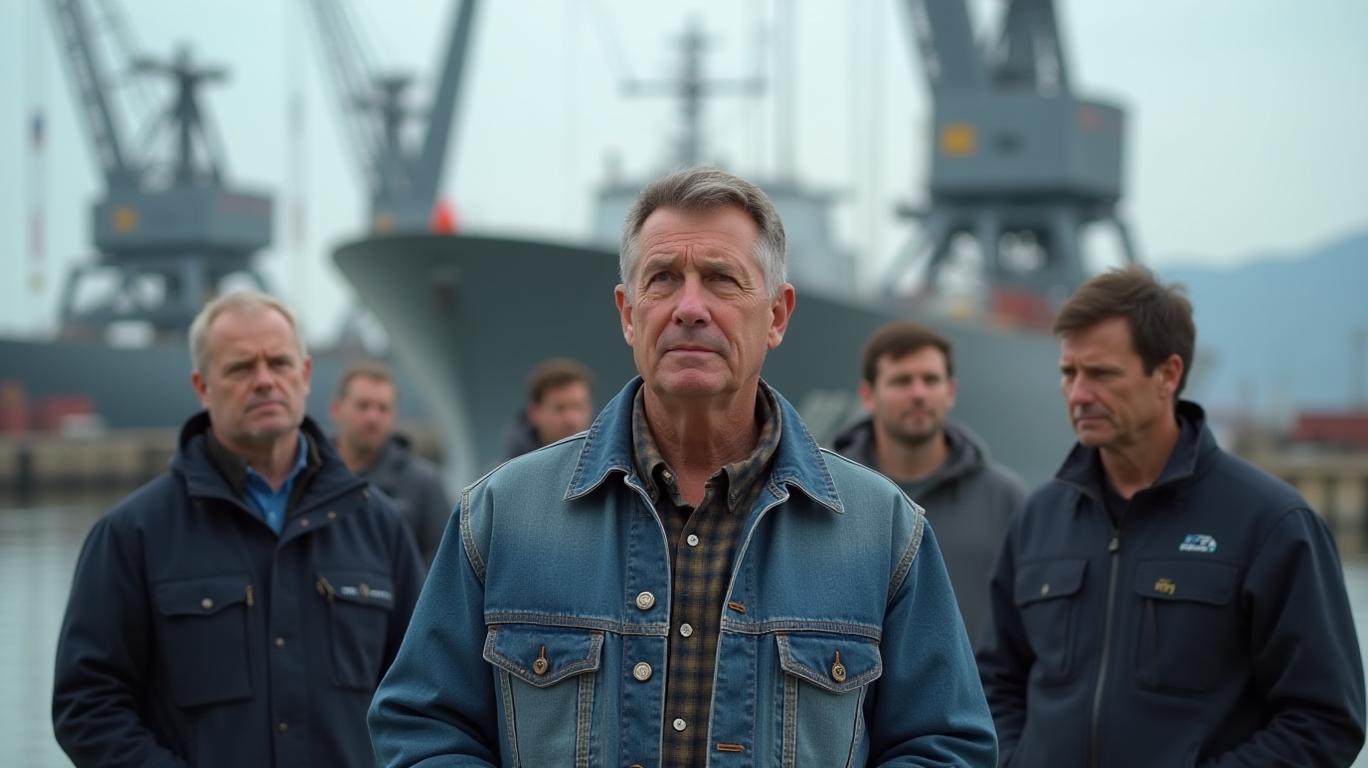
The success of these initiatives will depend on effective implementation and collaboration between the government and private industry. The U.S. government's increased investment in the shipbuilding industry has significant potential economic and geopolitical implications, particularly in relation to China's maritime dominance. By creating jobs, stimulating economic growth, and enhancing national security, these initiatives could help the U.S. challenge China's maritime dominance and strengthen its position in global maritime commerce.
In conclusion, President Trump's executive order aims to revitalize the U.S. shipbuilding industry and counter China's maritime dominance. The proposed measures, such as imposing fees on Chinese-built ships and cranes, establishing Maritime Opportunity Zones and a Maritime Security Trust Fund, and increasing wages for nuclear shipyard workers, are expected to enhance the competitiveness and growth of the U.S. shipbuilding industry. These initiatives have the potential to generate significant economic and geopolitical benefits, creating jobs, stimulating economic growth, and strengthening national security.
HII--
SNFCA--
President Donald Trump is reportedly preparing an executive order aimed at bolstering the U.S. shipbuilding industry and countering China's maritime dominance. The order, which includes 18 measures, seeks to raise revenue through fees on Chinese-built ships and cranes entering U.S. ports, create a new office within the National SecuritySNFCA-- Council to enhance the American maritime sector, and increase wages for nuclear shipyard workers. The administration also plans to evaluate government procurement processes, including those of the Navy, and establish Maritime Opportunity Zones and a Maritime Security Trust Fund to enhance investments.
The U.S. shipbuilding industry has been grappling with challenges due to high costs, stringent security requirements, and limited capacity for scaling production. Huntington Ingalls IndustriesHII-- (HII) and General DynamicsGD-- (GD) have both experienced declines in their stock prices over the past month, while Star Bulk Carriers Corp (SBLK) has also seen a decrease in its share price. The proposed executive order seeks to address these challenges and revitalize the U.S. shipbuilding industry.
China's dominance in the global shipbuilding industry has raised national security concerns in the United States. According to Veson data, China accounted for 75% of global shipping activities in 2024. The U.S. investigation under former President Joe Biden concluded that China employs financial support, barriers for foreign firms, forced technology transfer, and intellectual property theft to gain an advantage in shipbuilding. The proposed executive order aims to counter these practices and reduce the U.S.'s reliance on foreign-built vessels.
The proposed measures in the executive order are expected to have a positive ripple effect across the U.S. maritime industry. By incentivizing domestic ship production and imposing fees on foreign-built vessels, the administration aims to create jobs, stimulate economic growth, and restore the United States' position in global shipbuilding. The bipartisan Ships for America Act, which seeks to rebuild the U.S. shipping industry to counter Chinese economic and security threats, aligns with the administration's strategy.
The success of these initiatives will depend on effective implementation and collaboration between the government and private industry. The U.S. government's increased investment in the shipbuilding industry has significant potential economic and geopolitical implications, particularly in relation to China's maritime dominance. By creating jobs, stimulating economic growth, and enhancing national security, these initiatives could help the U.S. challenge China's maritime dominance and strengthen its position in global maritime commerce.
In conclusion, President Trump's executive order aims to revitalize the U.S. shipbuilding industry and counter China's maritime dominance. The proposed measures, such as imposing fees on Chinese-built ships and cranes, establishing Maritime Opportunity Zones and a Maritime Security Trust Fund, and increasing wages for nuclear shipyard workers, are expected to enhance the competitiveness and growth of the U.S. shipbuilding industry. These initiatives have the potential to generate significant economic and geopolitical benefits, creating jobs, stimulating economic growth, and strengthening national security.

Divulgación editorial y transparencia de la IA: Ainvest News utiliza tecnología avanzada de Modelos de Lenguaje Largo (LLM) para sintetizar y analizar datos de mercado en tiempo real. Para garantizar los más altos estándares de integridad, cada artículo se somete a un riguroso proceso de verificación con participación humana.
Mientras la IA asiste en el procesamiento de datos y la redacción inicial, un miembro editorial profesional de Ainvest revisa, verifica y aprueba de forma independiente todo el contenido para garantizar su precisión y cumplimiento con los estándares editoriales de Ainvest Fintech Inc. Esta supervisión humana está diseñada para mitigar las alucinaciones de la IA y garantizar el contexto financiero.
Advertencia sobre inversiones: Este contenido se proporciona únicamente con fines informativos y no constituye asesoramiento profesional de inversión, legal o financiero. Los mercados conllevan riesgos inherentes. Se recomienda a los usuarios que realicen una investigación independiente o consulten a un asesor financiero certificado antes de tomar cualquier decisión. Ainvest Fintech Inc. se exime de toda responsabilidad por las acciones tomadas con base en esta información. ¿Encontró un error? Reportar un problema


SOBRE NOSOTROS
Nuestra historiaAutores de noticiasBase de conocimientosPolítica de privacidadTérmino de usoDescargo de responsabilidad de corretaje de tercerosTérminos de uso de AIMEDivulgaciones de riesgos de AInvest AICarrerasCONTÁCTENOS
Email: support@ainvest.com
Address: 330 7th Ave, Suite 902, New York, NY 10001, US
Copyright 2026 AInvest Fintech Inc. All rights reserved.


Comentarios
Aún no hay comentarios