
Trump's EU Tariff Threats Ignite Market Chaos and Geopolitical Tensions
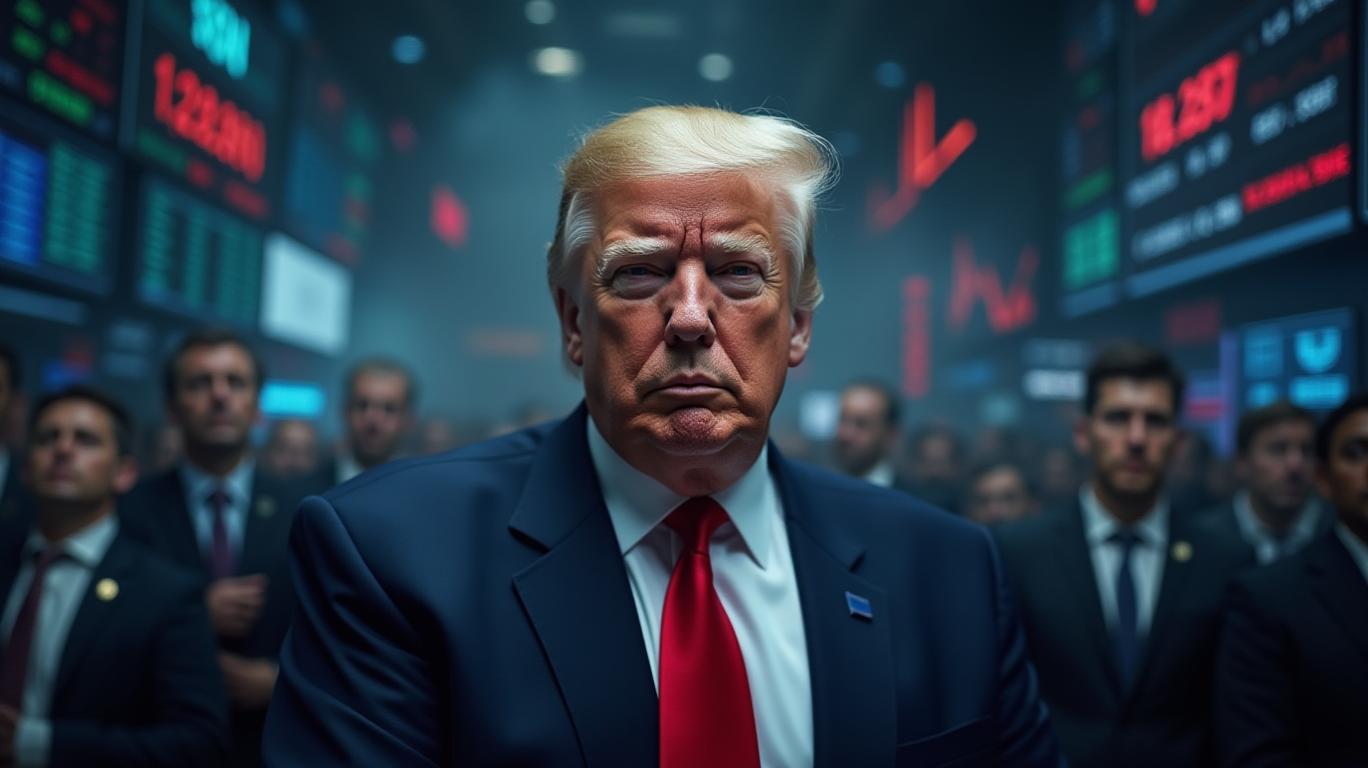
In a week marked by mounting trade tensions, U.S. President Donald Trump's pronouncement of a proposed 25% tariff on European Union imports has roiled market sentiments. The announcement, which adds to the ever-growing rift between the U.S. and Europe, has metMET-- with staunch opposition from European officials who warn of severe economic repercussions.
According to Trump, the EU has been taking advantage of the U.S. and has refused to open its markets to American goods, such as automobiles and agricultural products. The threatened tariffs are viewed as part of a broader strategy of economic pressure by the U.S., which aims to leverage its economic might to obtain a more favorable trade balance.
The fallout from these tariff threats is already palpable in financial markets. Wall Street experienced a tumultuous day, as fears of a potential trade war with the EU weighed heavily. The Dow Jones Industrial Average, Nasdaq, and S&P 500 all closed in negative territory, diminishing hopes of a rebound bolstered by technology stocks earlier in the week.
Goldman Sachs, a key player in global investment, noted a concerning trend: the elusive nature of dip-buying activities among investors. Where market sell-offs typically inspire opportunistic purchasing strategies, the lingering uncertainty around trade policies appears to have dampened investor appetite to capitalize on current lower valuations.
Strategists from Goldman SachsGBXB-- underscore that the absence of such buying support, traditionally expected to stabilize volatile markets, might signal cautious headwinds in the near term. The potential economic fallouts of a tit-for-tat tariff scenario could exacerbate these challenges, creating an environment fraught with unpredictability.
As Europe braces for these proposed tariffs, tensions are simmering. Germany's industrial sector, particularly its automotive industry, faces imminent threats. Criticism is also mounting regarding the larger potential disruptions to global supply chains and the broader political implications of a U.S.-EU trade conflict.
Economic analysts suggest that the rhetoric and escalations reflect more than mere trade disagreements. They signal a vying for influence in the current geopolitical landscape. The global market, already on edge due to a mix of macroeconomic challenges, must now contend with the multifaceted implications of a strained transatlantic relationship.





Comentarios
Aún no hay comentarios