
The Trump Energy Shift: Implications for Fossil Fuels and Clean Energy Sectors
Pro-Fossil Fuel Policies and Capital Incentives
The Trump administration's energy agenda centered on "energy dominance," a policy framework that prioritized domestic fossil fuel production and weakened environmental safeguards. Key actions included the withdrawal from the in 2020, the rollback of the Clean Power Plan, and the relaxation of for oil and gas operations according to AP reports. These moves were accompanied by expanded access to public lands for drilling and the approval of major infrastructure projects like the Keystone XL and Dakota Access Pipelines as detailed by AP.
Such policies created a favorable environment for fossil fuel companies. By reducing regulatory burdens and opening new markets, the administration incentivized capital flows into oil, gas, and coal sectors. For instance, the EPA's temporary suspension of environmental enforcement during the early stages of the 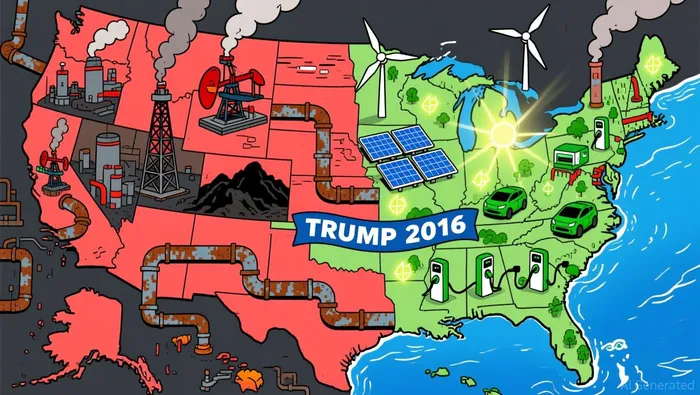 COVID-19 pandemic further signaled a pro-industry stance, reinforcing investor confidence in traditional energy.
Clean Energy Challenges and Policy Headwinds
While the administration championed fossil fuels, it imposed significant hurdles for clean energy development. The 30% tariff on imported in 2018 raised costs for solar projects and introduced uncertainty for the industry. Additionally, the Trump administration dismantled key clean energy offices within the Department of Energy, including the , effectively canceling billions in clean energy awards and reducing staff dedicated to renewable initiatives.
These actions coincided with a measurable decline in investor confidence in renewable energy. A 2024 study found , compared to a 6.05% rise in the earlier period (2013–2015) when the agreement was anticipated. This policy-driven uncertainty contrasted sharply with the global trend toward renewables, where clean energy investment outpaced fossil fuels by 2022.
Global vs. Domestic Investment Trends
Despite the Trump administration's focus on fossil fuels, global capital flows revealed a broader shift toward clean energy. By 2025, global clean energy investment , . This divergence highlights the limitations of Trump-era policies in countering long-term market forces and international climate commitments.
Domestically, however, the administration's actions slowed the pace of clean energy adoption. The redirection of federal resources away from renewables and toward hydrocarbons created a policy vacuum that only partially offset by state-level incentives, such as the federal for solar energy. Meanwhile, fossil fuel companies benefited from a regulatory environment that prioritized production over sustainability, even as global markets began to price carbon risk more aggressively.
Strategic Reallocation and Market Resilience
The Trump energy shift underscores the tension between short-term policy interventions and long-term market dynamics. While the administration succeeded in redirecting capital toward fossil fuels in the immediate term, the underlying economics of clean energy-driven by falling costs for solar and wind-continued to attract investment. For example, between 2016 and 2025, outpacing the administration's pro-fossil agenda.
This resilience was further evident during the pandemic, when renewable energy sectors demonstrated greater responsiveness to economic shocks compared to fossil fuels, which saw reduced volatility due to their entrenched market position. Such patterns suggest that while policy can temporarily alter capital flows, technological and economic trends ultimately shape sectoral rebalancing.
Conclusion
The Trump administration's energy policies represent a case study in how political priorities can strategically reallocate capital, favoring fossil fuels at the expense of clean energy innovation. Yet, the global investment landscape revealed a broader trajectory toward decarbonization, one that the Trump-era policies could not fully counteract. As the Biden administration has since pivoted toward clean energy, the lessons from this period highlight the enduring influence of market forces and the limits of policy-driven sectoral rebalancing in the face of systemic economic and environmental shifts.







Comentarios
Aún no hay comentarios