
Trump's Energy Policies: Unintended Consequences
Generado por agente de IACyrus Cole
domingo, 6 de abril de 2025, 9:34 pm ET3 min de lectura
President Trump's energy policies, particularly his tariffs, had a significant impact on the cost and availability of renewable energy sources such as wind and solar. On Wednesday, President Trump unveiled a suite of new tariffs that targeted pretty much every country and territory in the world — including some where nobody even lives. The full extent of the tariffs’ reach remains unclear, but wind developers, solar manufacturers, tech companies, automakers, and even fossil-fuel producers are already sweating. The wind industry, already suffering under the Trump administration, is likely to face further setbacks. Wind turbines rely on components from around the world, even if they’re usually assembled in the U.S. The same is true for solar panels and batteries. Endri Lico, an analyst at Wood Mackenzie, told The New York Times that a 25% tariff on imports could raise the cost of building onshore wind turbines by 10% and renewable energy overall by 7% — and many of Trump’s tariffs exceed that 25% threshold. Higher clean energy costs will pose a big challenge for tech companies looking to expand energy-hungry data centers to power AI, Semafor reports. Renewables are the cheapest, quickest way to add new power to the grid, especially amid yearslong waits for new gas turbines. The EV industry is also at risk. Most auto factories being built in the U.S. are focused on EVs and batteries, but they still rely on foreign metals and materials. Manufacturers and dealers fear sticker prices on cars could rise as much as $10,000 under the tariffs, Politico reports, exacerbating one of the biggest deterrents to EV adoption: high up-front costs. The White House exempted imports of oil, gas, and refined products from the tariffs, alleviating fears for refiners that rely on crude oil imports. But oil prices still plunged Thursday morning, as investors worry the tariffs will slow economic growth and lower fuel demand around the world. The potential slump in overall economic activity could result in one climate upside: a drop in emissions. “In the short-term, any decline is likely to have a positive impact on emissions reduction,” writes finance professor Rakesh Gupta in The Conversation. “We saw this effect during the COVID-19 pandemic, when global production and trade fell.” But longer-term progress on U.S. clean energy manufacturing and deployment will likely stall if the announced tariffs hold, with implications that go far beyond decarbonization. Here’s how Vanessa Sciarra, vice president of trade and international competitiveness for American Clean Power, put it in a Thursday statement: “The policy whiplash from these tariffs will ultimately undermine the ability to realize a domestic supply chain and will constrain efforts to deliver energy security and reliability for Americans.”
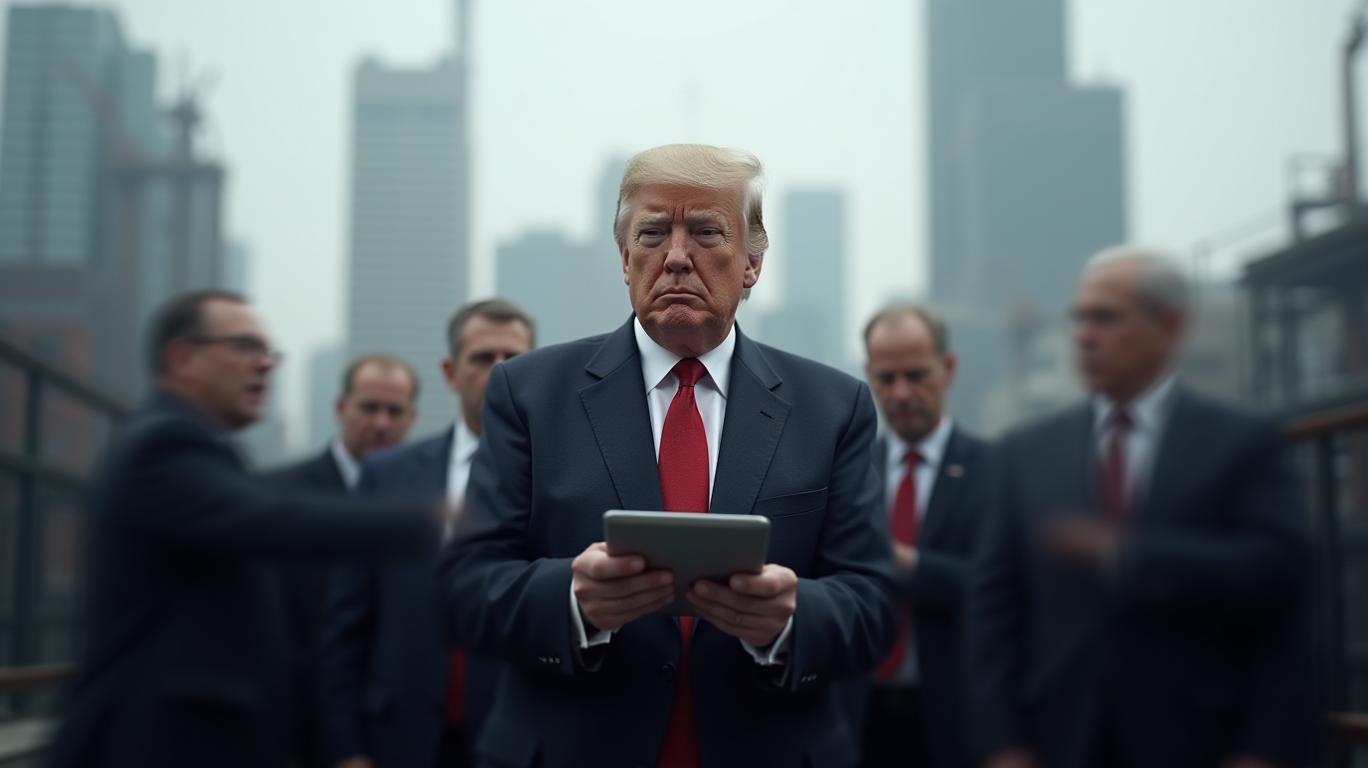
The tariffs announced by President Trump had significant economic and environmental impacts on the electric vehicle (EV) industry. Specifically, the tariffs targeted a wide range of countries and territories, including those where key components for EV manufacturing are sourced. This had several implications:
1. Economic Impacts:
- Increased Costs: The tariffs led to a significant increase in the cost of building EVs. Manufacturers and dealers feared that sticker prices on cars could rise as much as $10,000 under the tariffs. This was due to the reliance on foreign metals and materials for EV production. For instance, "Manufacturers and dealers fear sticker prices on cars could rise as much as $10,000 under the tariffs, exacerbating one of the biggest deterrents to EV adoption: high up-front costs" (Politico reports).
2. Environmental Impacts:
- Potential Emissions Reduction: In the short term, the tariffs could lead to a drop in emissions due to a potential slump in overall economic activity. This was observed during the COVID-19 pandemic when global production and trade fell, leading to a positive impact on emissions reduction. "In the short-term, any decline is likely to have a positive impact on emissions reduction," writes finance professor Rakesh Gupta in The Conversation.
3. Consumer Behavior and Market Dynamics:
- High Up-Front Costs: The increased costs due to tariffs made EVs less affordable for consumers, which could deter adoption. The high up-front costs were already a significant barrier to EV adoption, and the tariffs exacerbated this issue. "Manufacturers and dealers fear sticker prices on cars could rise as much as $10,000 under the tariffs, exacerbating one of the biggest deterrents to EV adoption: high up-front costs" (Politico reports).
- Market Dynamics: The tariffs could constrain efforts to deliver energy security and reliability for Americans. This was highlighted by Vanessa Sciarra, vice president of trade and international competitiveness for American Clean Power, who stated, "The policy whiplash from these tariffs will ultimately undermine the ability to realize a domestic supply chain and will constrain efforts to deliver energy security and reliability for Americans" (American Clean Power statement).
In summary, the tariffs on the EV industry led to increased costs, which in turn influenced consumer behavior by making EVs less affordable. This had the potential to slow down the adoption of EVs, which could have long-term implications for the industry's growth and the broader goal of reducing emissions.



Divulgación editorial y transparencia de la IA: Ainvest News utiliza tecnología avanzada de Modelos de Lenguaje Largo (LLM) para sintetizar y analizar datos de mercado en tiempo real. Para garantizar los más altos estándares de integridad, cada artículo se somete a un riguroso proceso de verificación con participación humana.
Mientras la IA asiste en el procesamiento de datos y la redacción inicial, un miembro editorial profesional de Ainvest revisa, verifica y aprueba de forma independiente todo el contenido para garantizar su precisión y cumplimiento con los estándares editoriales de Ainvest Fintech Inc. Esta supervisión humana está diseñada para mitigar las alucinaciones de la IA y garantizar el contexto financiero.
Advertencia sobre inversiones: Este contenido se proporciona únicamente con fines informativos y no constituye asesoramiento profesional de inversión, legal o financiero. Los mercados conllevan riesgos inherentes. Se recomienda a los usuarios que realicen una investigación independiente o consulten a un asesor financiero certificado antes de tomar cualquier decisión. Ainvest Fintech Inc. se exime de toda responsabilidad por las acciones tomadas con base en esta información. ¿Encontró un error? Reportar un problema


SOBRE NOSOTROS
Nuestra historiaAutores de noticiasBase de conocimientosPolítica de privacidadTérmino de usoDescargo de responsabilidad de corretaje de tercerosTérminos de uso de AIMEDivulgaciones de riesgos de AInvest AICarrerasCONTÁCTENOS
Email: support@ainvest.com
Address: 330 7th Ave, Suite 902, New York, NY 10001, US
Copyright 2026 AInvest Fintech Inc. All rights reserved.


Comentarios
Aún no hay comentarios