
Trump's Endorsement: A Sea Change in Cannabis Policy, Says Trulieve CEO
Generado por agente de IAWesley Park
jueves, 16 de enero de 2025, 5:57 pm ET2 min de lectura
USCF--
As the cannabis industry continues to gain momentum, a significant development has emerged with the endorsement of President Donald Trump for cannabis reform. This endorsement, coupled with the merger of two prominent advocacy groups, signals a potential sea change in cannabis policy. In this article, we will explore the implications of Trump's endorsement, the impact of the advocacy groups' merger, and the future outlook for the cannabis industry.
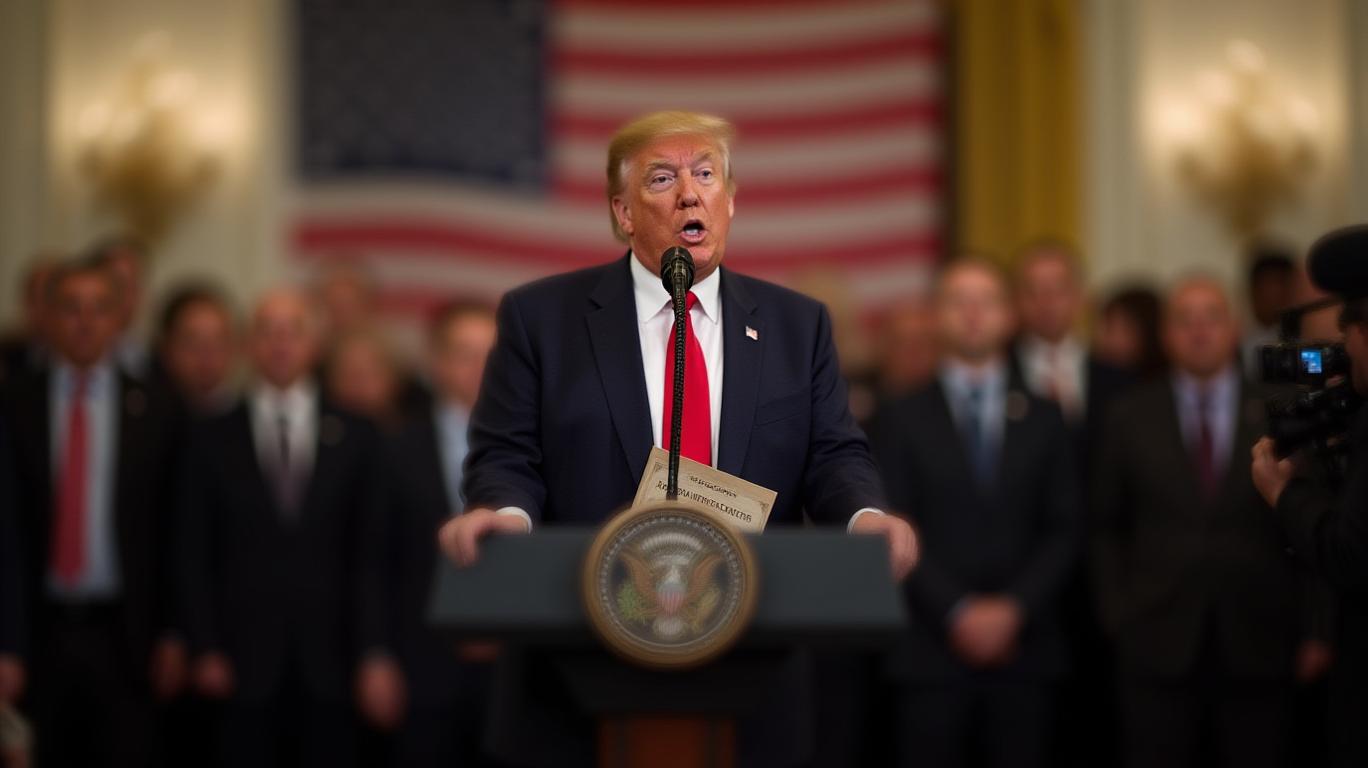
Trump's Endorsement: A Game Changer
President Trump's endorsement of cannabis reform during his 2024 presidential campaign has been hailed as a significant turning point for the industry. His support for rescheduling cannabis to Schedule III, passing states' rights legislation, enacting cannabis banking legislation, and ending foreign cannabis companies' listing advantages has given the industry a much-needed boost in credibility and acceptance among investors.
Trump's pro-business outlook and history of supporting cannabis-related initiatives, such as pardoning cannabis violations, have further bolstered investor confidence in the cannabis industry. This shift in political support could attract more investors, as they see a more favorable regulatory environment on the horizon.
The Merger of NCR and USCC: A Unified Voice for the Industry
The merger of the National Cannabis Roundtable (NCR) and U.S. Cannabis Council (USCC) to form the U.S. Cannabis Roundtable has created a unified voice for the cannabis industry. This consolidated organization represents businesses operating in 38 states, as well as a significant portion of the 13,000 retail locations and nearly 450,000 full-time employees within the state-licensed cannabis sector. The merged organization will be better equipped to advocate for the industry's interests on Capitol Hill and with the incoming Trump administration.

The U.S. Cannabis Roundtable will deploy an advocacy team including former members of Congress and a former Trump senior advisor, among others. This experienced team will bring valuable insights and connections to the lobbying efforts, potentially enhancing the industry's influence in Washington D.C. With a unified voice and experienced advocacy team, the industry will be better positioned to capitalize on bipartisan support and push for cannabis reform.
Policy Changes on the Horizon
Based on Trump's campaign statements and the merger of NCR and USCC, several policy changes can be expected from Trump's administration regarding cannabis legalization and banking access. These changes include:
1. Rescheduling cannabis to Schedule III: Trump has supported reclassifying cannabis from Schedule I to Schedule III of the Controlled Substances Act, which would acknowledge its medical value and ease the business tax burden for cannabis companies.
2. Passing states' rights legislation: Trump has previously supported a states' rights legislative approach to cannabis, allowing each state to make its own decision on cannabis policy.
3. Enacting cannabis banking legislation: Trump has expressed support for the SAFE Banking Act, which would provide banking access to cannabis businesses.
4. Ending the scenario that allows foreign cannabis companies to list on the NASDAQ and NYSE while prohibiting state-licensed U.S. cannabis companies from doing the same.
These policy changes, if implemented, would significantly impact the cannabis industry by providing regulatory clarity, fostering a more favorable environment for growth, and addressing long-standing issues faced by cannabis businesses.
Conclusion
President Trump's endorsement of cannabis reform, coupled with the merger of NCR and USCC, signals a potential sea change in cannabis policy. With a unified voice and experienced advocacy team, the cannabis industry is well-positioned to capitalize on bipartisan support and push for cannabis reform. As the industry awaits Trump's direction on cannabis policies, prominent voices highlight the potential for federal legalization, banking access, and the future of psychedelics. While there is tempered hope for regulatory advancements, many caution that Trump's deregulatory stance may not be enough to resolve deeply rooted regulatory complexities, especially in finance and interstate commerce. As the cannabis industry continues to evolve, investors should remain cautious and vigilant, balancing hope for reforms with concerns over regulatory clarity and state autonomy.
As the cannabis industry continues to gain momentum, a significant development has emerged with the endorsement of President Donald Trump for cannabis reform. This endorsement, coupled with the merger of two prominent advocacy groups, signals a potential sea change in cannabis policy. In this article, we will explore the implications of Trump's endorsement, the impact of the advocacy groups' merger, and the future outlook for the cannabis industry.
Trump's Endorsement: A Game Changer
President Trump's endorsement of cannabis reform during his 2024 presidential campaign has been hailed as a significant turning point for the industry. His support for rescheduling cannabis to Schedule III, passing states' rights legislation, enacting cannabis banking legislation, and ending foreign cannabis companies' listing advantages has given the industry a much-needed boost in credibility and acceptance among investors.
Trump's pro-business outlook and history of supporting cannabis-related initiatives, such as pardoning cannabis violations, have further bolstered investor confidence in the cannabis industry. This shift in political support could attract more investors, as they see a more favorable regulatory environment on the horizon.
The Merger of NCR and USCC: A Unified Voice for the Industry
The merger of the National Cannabis Roundtable (NCR) and U.S. Cannabis Council (USCC) to form the U.S. Cannabis Roundtable has created a unified voice for the cannabis industry. This consolidated organization represents businesses operating in 38 states, as well as a significant portion of the 13,000 retail locations and nearly 450,000 full-time employees within the state-licensed cannabis sector. The merged organization will be better equipped to advocate for the industry's interests on Capitol Hill and with the incoming Trump administration.
The U.S. Cannabis Roundtable will deploy an advocacy team including former members of Congress and a former Trump senior advisor, among others. This experienced team will bring valuable insights and connections to the lobbying efforts, potentially enhancing the industry's influence in Washington D.C. With a unified voice and experienced advocacy team, the industry will be better positioned to capitalize on bipartisan support and push for cannabis reform.
Policy Changes on the Horizon
Based on Trump's campaign statements and the merger of NCR and USCC, several policy changes can be expected from Trump's administration regarding cannabis legalization and banking access. These changes include:
1. Rescheduling cannabis to Schedule III: Trump has supported reclassifying cannabis from Schedule I to Schedule III of the Controlled Substances Act, which would acknowledge its medical value and ease the business tax burden for cannabis companies.
2. Passing states' rights legislation: Trump has previously supported a states' rights legislative approach to cannabis, allowing each state to make its own decision on cannabis policy.
3. Enacting cannabis banking legislation: Trump has expressed support for the SAFE Banking Act, which would provide banking access to cannabis businesses.
4. Ending the scenario that allows foreign cannabis companies to list on the NASDAQ and NYSE while prohibiting state-licensed U.S. cannabis companies from doing the same.
These policy changes, if implemented, would significantly impact the cannabis industry by providing regulatory clarity, fostering a more favorable environment for growth, and addressing long-standing issues faced by cannabis businesses.
Conclusion
President Trump's endorsement of cannabis reform, coupled with the merger of NCR and USCC, signals a potential sea change in cannabis policy. With a unified voice and experienced advocacy team, the cannabis industry is well-positioned to capitalize on bipartisan support and push for cannabis reform. As the industry awaits Trump's direction on cannabis policies, prominent voices highlight the potential for federal legalization, banking access, and the future of psychedelics. While there is tempered hope for regulatory advancements, many caution that Trump's deregulatory stance may not be enough to resolve deeply rooted regulatory complexities, especially in finance and interstate commerce. As the cannabis industry continues to evolve, investors should remain cautious and vigilant, balancing hope for reforms with concerns over regulatory clarity and state autonomy.

Divulgación editorial y transparencia de la IA: Ainvest News utiliza tecnología avanzada de Modelos de Lenguaje Largo (LLM) para sintetizar y analizar datos de mercado en tiempo real. Para garantizar los más altos estándares de integridad, cada artículo se somete a un riguroso proceso de verificación con participación humana.
Mientras la IA asiste en el procesamiento de datos y la redacción inicial, un miembro editorial profesional de Ainvest revisa, verifica y aprueba de forma independiente todo el contenido para garantizar su precisión y cumplimiento con los estándares editoriales de Ainvest Fintech Inc. Esta supervisión humana está diseñada para mitigar las alucinaciones de la IA y garantizar el contexto financiero.
Advertencia sobre inversiones: Este contenido se proporciona únicamente con fines informativos y no constituye asesoramiento profesional de inversión, legal o financiero. Los mercados conllevan riesgos inherentes. Se recomienda a los usuarios que realicen una investigación independiente o consulten a un asesor financiero certificado antes de tomar cualquier decisión. Ainvest Fintech Inc. se exime de toda responsabilidad por las acciones tomadas con base en esta información. ¿Encontró un error? Reportar un problema


SOBRE NOSOTROS
Nuestra historiaAutores de noticiasBase de conocimientosPolítica de privacidadTérmino de usoDescargo de responsabilidad de corretaje de tercerosTérminos de uso de AIMEDivulgaciones de riesgos de AInvest AICarrerasCONTÁCTENOS
Email: support@ainvest.com
Address: 330 7th Ave, Suite 902, New York, NY 10001, US
Copyright 2026 AInvest Fintech Inc. All rights reserved.


Comentarios
Aún no hay comentarios