
Trump's Election Market Bump: Fading Fast
Generado por agente de IATheodore Quinn
viernes, 10 de enero de 2025, 12:01 pm ET1 min de lectura
APO--
The S&P 500's post-election rally, fueled by optimism surrounding Donald Trump's re-election, is showing signs of fading. The index, which surged to a record high the day after the election, has since given back much of its gains. As of Dec. 20, 2024, the S&P 500 is up just 2.5% year-to-date, far below the 26% gain it posted in 2024.
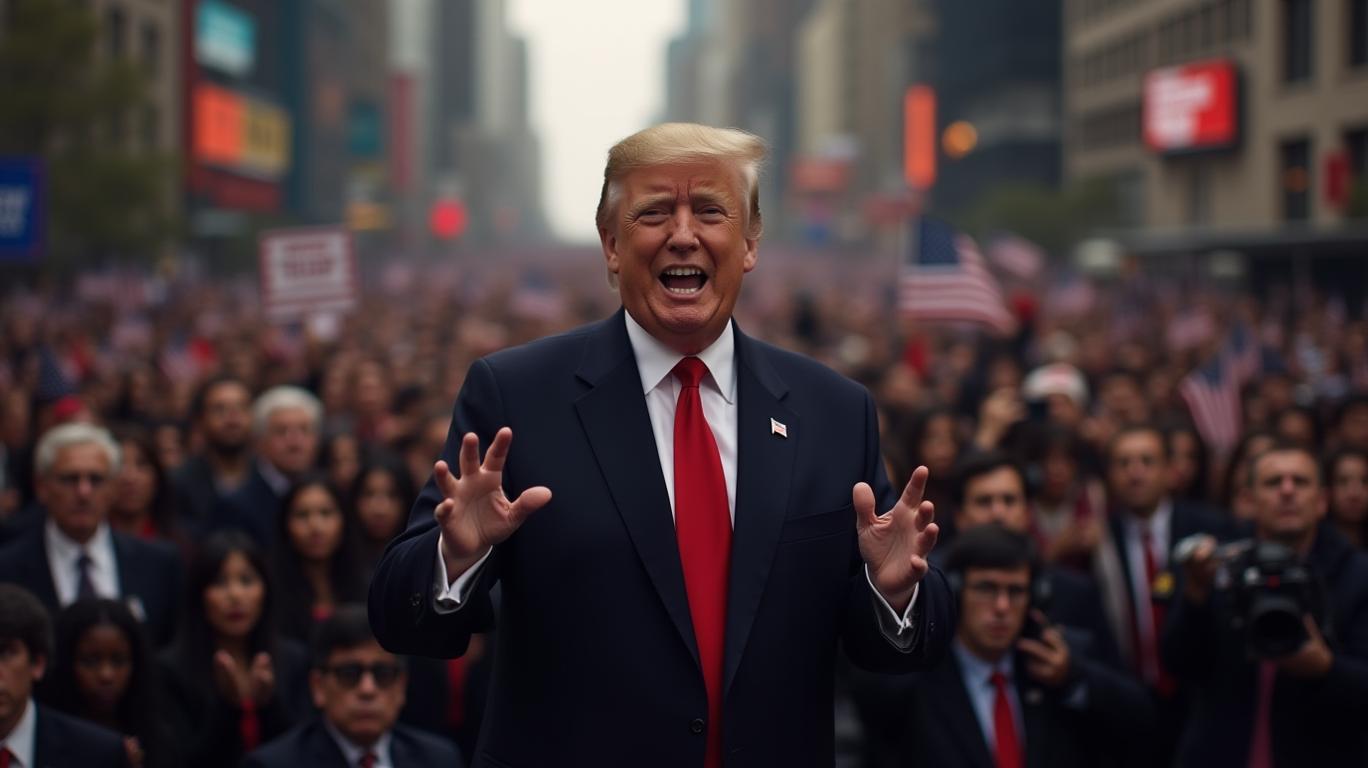
The market's initial enthusiasm was driven by expectations of continued deregulation, tax cuts, and infrastructure spending under a second Trump administration. However, investors are now grappling with the reality of a divided government and the potential for gridlock, which could hinder the implementation of Trump's policy agenda.
Moreover, the S&P 500's current valuation is raising concerns. With a forward price-to-earnings (PE) ratio of 22.2, the index is trading at an expensive level compared to its historical average and previous periods. This high valuation implies that investors are paying more for each dollar of expected earnings, which can lead to lower future returns.
Apollo Global Management Chief Economist Torsten Slok estimates that the current forward P/E value of 22.2 implies an annualized return of only 3% over the next three years. This is a significant slowdown from the S&P 500's performance under Trump's first term, when it returned 14.1% annually.
Investors should be prepared for potential market turbulence and consider adjusting their expectations for future returns. Building larger-than-normal cash positions in their portfolios can help them capitalize on any future drawdowns or market corrections, which have historically occurred about once every two years and once every six years, respectively.
Diversifying portfolios and staying informed about policy changes can also help investors navigate the market's ups and downs. Trump's second term may bring significant changes in tax, trade, and regulatory policies, which could impact different sectors in various ways. For example, Trump's proposed tariffs on Chinese goods could negatively impact companies with substantial business outside the U.S., while his deregulation efforts could benefit sectors like energy, financial services, and pharmaceuticals.
In conclusion, the S&P 500's post-election rally is fading fast, and investors should be prepared for potential market turbulence under Trump's second term. By tempering their expectations, paying attention to valuations, and building larger-than-normal cash positions, investors can better navigate the market's volatility and capitalize on opportunities as they arise.
UPS--
The S&P 500's post-election rally, fueled by optimism surrounding Donald Trump's re-election, is showing signs of fading. The index, which surged to a record high the day after the election, has since given back much of its gains. As of Dec. 20, 2024, the S&P 500 is up just 2.5% year-to-date, far below the 26% gain it posted in 2024.
The market's initial enthusiasm was driven by expectations of continued deregulation, tax cuts, and infrastructure spending under a second Trump administration. However, investors are now grappling with the reality of a divided government and the potential for gridlock, which could hinder the implementation of Trump's policy agenda.
Moreover, the S&P 500's current valuation is raising concerns. With a forward price-to-earnings (PE) ratio of 22.2, the index is trading at an expensive level compared to its historical average and previous periods. This high valuation implies that investors are paying more for each dollar of expected earnings, which can lead to lower future returns.
Apollo Global Management Chief Economist Torsten Slok estimates that the current forward P/E value of 22.2 implies an annualized return of only 3% over the next three years. This is a significant slowdown from the S&P 500's performance under Trump's first term, when it returned 14.1% annually.
Investors should be prepared for potential market turbulence and consider adjusting their expectations for future returns. Building larger-than-normal cash positions in their portfolios can help them capitalize on any future drawdowns or market corrections, which have historically occurred about once every two years and once every six years, respectively.
Diversifying portfolios and staying informed about policy changes can also help investors navigate the market's ups and downs. Trump's second term may bring significant changes in tax, trade, and regulatory policies, which could impact different sectors in various ways. For example, Trump's proposed tariffs on Chinese goods could negatively impact companies with substantial business outside the U.S., while his deregulation efforts could benefit sectors like energy, financial services, and pharmaceuticals.
In conclusion, the S&P 500's post-election rally is fading fast, and investors should be prepared for potential market turbulence under Trump's second term. By tempering their expectations, paying attention to valuations, and building larger-than-normal cash positions, investors can better navigate the market's volatility and capitalize on opportunities as they arise.

Divulgación editorial y transparencia de la IA: Ainvest News utiliza tecnología avanzada de Modelos de Lenguaje Largo (LLM) para sintetizar y analizar datos de mercado en tiempo real. Para garantizar los más altos estándares de integridad, cada artículo se somete a un riguroso proceso de verificación con participación humana.
Mientras la IA asiste en el procesamiento de datos y la redacción inicial, un miembro editorial profesional de Ainvest revisa, verifica y aprueba de forma independiente todo el contenido para garantizar su precisión y cumplimiento con los estándares editoriales de Ainvest Fintech Inc. Esta supervisión humana está diseñada para mitigar las alucinaciones de la IA y garantizar el contexto financiero.
Advertencia sobre inversiones: Este contenido se proporciona únicamente con fines informativos y no constituye asesoramiento profesional de inversión, legal o financiero. Los mercados conllevan riesgos inherentes. Se recomienda a los usuarios que realicen una investigación independiente o consulten a un asesor financiero certificado antes de tomar cualquier decisión. Ainvest Fintech Inc. se exime de toda responsabilidad por las acciones tomadas con base en esta información. ¿Encontró un error? Reportar un problema


SOBRE NOSOTROS
Nuestra historiaAutores de noticiasBase de conocimientosPolítica de privacidadTérmino de usoDescargo de responsabilidad de corretaje de tercerosTérminos de uso de AIMEDivulgaciones de riesgos de AInvest AICarrerasCONTÁCTENOS
Email: support@ainvest.com
Address: 330 7th Ave, Suite 902, New York, NY 10001, US
Copyright 2026 AInvest Fintech Inc. All rights reserved.


Comentarios
Aún no hay comentarios