
Trump's Economic Vision: Tax Cuts, Tariffs, and Energy Policy
Generado por agente de IAWesley Park
miércoles, 5 de marzo de 2025, 12:54 am ET2 min de lectura
APO--
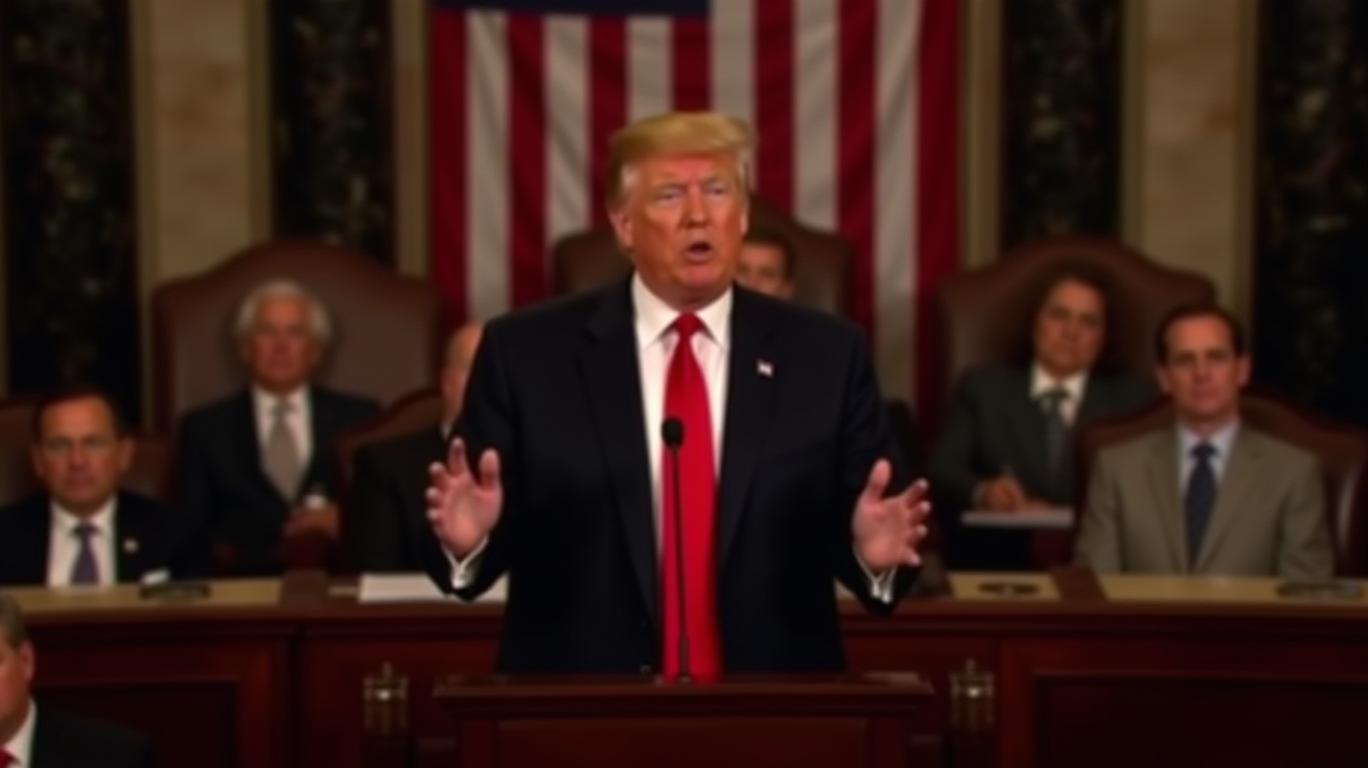
In his recent address to Congress, President Donald Trump outlined an ambitious economic agenda, focusing on tax cuts, tariffs, and energy policy. As investors, it's crucial to understand the potential implications of these proposals on the U.S. economy and global markets. Let's break down the key economic takeaways from Trump's speech and explore their potential impacts.
Tax Cuts: A Double-Edged Sword
Trump called for new tax cuts, including the elimination of taxes on Social Security benefits, tips, and overtime pay. While these cuts could put more money in the pockets of certain groups of taxpayers, they would also exacerbate the current fiscal situation and long-term budgetary constraints. The government already spent $1.8 trillion more than it took in in 2024, adding to the $36 trillion national debt. These additional tax cuts could lead to further increases in the national debt, potentially offsetting the benefits of lower taxes for some individuals.
Tariffs: A Mixed Bag for the U.S. Economy
Trump's tariff policy, which includes imposing tariffs on key trading partners such as Canada, Mexico, and potentially the EU, has the potential to bring about significant economic consequences both domestically and internationally. Economists argue that tariffs will drive up prices for U.S. consumers, as merchantsMBIN-- typically pass the cost of import taxes on to customers. This could lead to higher prices for goods and services, potentially offsetting the benefits of lower taxes for some individuals.
Apollo Global Management estimates a 0.5% hit to U.S. GDP growth due to Trump's tariff policy. Some analysts, like Vantage Point Asset Management's Nick Ferres, suggest that fiscal tightening could trigger a recession, leading to job losses and reduced economic growth. While the energy sector saw substantial gains, the chemicals sector had more moderate post-event reactions, indicating that certain industries may be more affected than others.
Energy Policy: A Shift Towards Oil and Gas
Trump's energy policy focuses on promoting domestic oil production and reversing the previous administration's green energy initiatives. This shift in policy could lead to increased domestic production, potentially reducing U.S. dependence on foreign oil imports and helping to stabilize or even lower energy prices. However, this is not guaranteed, as global demand and geopolitical factors also play significant roles in energy price dynamics.
Lower energy prices could help alleviate inflationary pressures, as energy is a significant component of the Consumer Price Index (CPI). However, Trump's reversal of green energy initiatives could have environmental consequences, potentially leading to increased carbon emissions and slower progress in addressing climate change. This could have long-term economic and social costs, such as increased natural disasters and health issues related to air and water pollution.
In conclusion, Trump's economic vision, as outlined in his address to Congress, includes tax cuts, tariffs, and a shift in energy policy. While these proposals have the potential to bring about significant economic consequences, both domestically and internationally, it is essential to consider the trade-offs and potential long-term impacts. Investors should stay informed and adapt their portfolios accordingly to navigate the ever-changing economic landscape.
MBIN--
In his recent address to Congress, President Donald Trump outlined an ambitious economic agenda, focusing on tax cuts, tariffs, and energy policy. As investors, it's crucial to understand the potential implications of these proposals on the U.S. economy and global markets. Let's break down the key economic takeaways from Trump's speech and explore their potential impacts.
Tax Cuts: A Double-Edged Sword
Trump called for new tax cuts, including the elimination of taxes on Social Security benefits, tips, and overtime pay. While these cuts could put more money in the pockets of certain groups of taxpayers, they would also exacerbate the current fiscal situation and long-term budgetary constraints. The government already spent $1.8 trillion more than it took in in 2024, adding to the $36 trillion national debt. These additional tax cuts could lead to further increases in the national debt, potentially offsetting the benefits of lower taxes for some individuals.
Tariffs: A Mixed Bag for the U.S. Economy
Trump's tariff policy, which includes imposing tariffs on key trading partners such as Canada, Mexico, and potentially the EU, has the potential to bring about significant economic consequences both domestically and internationally. Economists argue that tariffs will drive up prices for U.S. consumers, as merchantsMBIN-- typically pass the cost of import taxes on to customers. This could lead to higher prices for goods and services, potentially offsetting the benefits of lower taxes for some individuals.
Apollo Global Management estimates a 0.5% hit to U.S. GDP growth due to Trump's tariff policy. Some analysts, like Vantage Point Asset Management's Nick Ferres, suggest that fiscal tightening could trigger a recession, leading to job losses and reduced economic growth. While the energy sector saw substantial gains, the chemicals sector had more moderate post-event reactions, indicating that certain industries may be more affected than others.
Energy Policy: A Shift Towards Oil and Gas
Trump's energy policy focuses on promoting domestic oil production and reversing the previous administration's green energy initiatives. This shift in policy could lead to increased domestic production, potentially reducing U.S. dependence on foreign oil imports and helping to stabilize or even lower energy prices. However, this is not guaranteed, as global demand and geopolitical factors also play significant roles in energy price dynamics.
Lower energy prices could help alleviate inflationary pressures, as energy is a significant component of the Consumer Price Index (CPI). However, Trump's reversal of green energy initiatives could have environmental consequences, potentially leading to increased carbon emissions and slower progress in addressing climate change. This could have long-term economic and social costs, such as increased natural disasters and health issues related to air and water pollution.
In conclusion, Trump's economic vision, as outlined in his address to Congress, includes tax cuts, tariffs, and a shift in energy policy. While these proposals have the potential to bring about significant economic consequences, both domestically and internationally, it is essential to consider the trade-offs and potential long-term impacts. Investors should stay informed and adapt their portfolios accordingly to navigate the ever-changing economic landscape.

Divulgación editorial y transparencia de la IA: Ainvest News utiliza tecnología avanzada de Modelos de Lenguaje Largo (LLM) para sintetizar y analizar datos de mercado en tiempo real. Para garantizar los más altos estándares de integridad, cada artículo se somete a un riguroso proceso de verificación con participación humana.
Mientras la IA asiste en el procesamiento de datos y la redacción inicial, un miembro editorial profesional de Ainvest revisa, verifica y aprueba de forma independiente todo el contenido para garantizar su precisión y cumplimiento con los estándares editoriales de Ainvest Fintech Inc. Esta supervisión humana está diseñada para mitigar las alucinaciones de la IA y garantizar el contexto financiero.
Advertencia sobre inversiones: Este contenido se proporciona únicamente con fines informativos y no constituye asesoramiento profesional de inversión, legal o financiero. Los mercados conllevan riesgos inherentes. Se recomienda a los usuarios que realicen una investigación independiente o consulten a un asesor financiero certificado antes de tomar cualquier decisión. Ainvest Fintech Inc. se exime de toda responsabilidad por las acciones tomadas con base en esta información. ¿Encontró un error? Reportar un problema


SOBRE NOSOTROS
Nuestra historiaAutores de noticiasBase de conocimientosPolítica de privacidadTérmino de usoDescargo de responsabilidad de corretaje de tercerosTérminos de uso de AIMEDivulgaciones de riesgos de AInvest AICarrerasCONTÁCTENOS
Email: support@ainvest.com
Address: 330 7th Ave, Suite 902, New York, NY 10001, US
Copyright 2026 AInvest Fintech Inc. All rights reserved.


Comentarios
Aún no hay comentarios