
The Trump-DOGE Social Security Reforms: A False Fix with Real Consequences for Retirees and Investors?
The Trump-DOGE Social Security Reforms of 2025, framed as a bold effort to streamline federal spending and enhance fiscal efficiency, have sparked intense debate over their long-term viability and unintended consequences. While the reforms emphasize cost-cutting and operational adjustments, critics argue they fail to address the structural solvency crisis facing Social Security. For investors, the implications are profound: a projected depletion of the Old-Age and Survivors Insurance (OASI) Trust Fund by 2033 and shifting policy priorities are reshaping asset allocation strategies, from 401(k) portfolios to alternative investments. This analysis examines the fiscal sustainability of the reforms and their cascading effects on retirement planning and market behavior.
Fiscal Sustainability: A Deeper Crisis Unveiled
The Trump administration's reforms, including the "One Big Beautiful Bill Act" () and the Department of Government Efficiency (DOGE) initiatives, have accelerated the depletion of the Social Security Trust Fund. The OBBBA's senior deduction, which reduces taxes on benefits for retirees aged 65 and older, has cut program funding while offering only temporary relief to beneficiaries. According to the , .
, with . At that point, , . This shortfall is exacerbated by demographic trends-declining fertility rates and an aging population-that reduce the worker-to-retiree ratio, increasing the program's cost per beneficiary. According to bipartisan policy analysis, the structural challenges remain unaddressed.
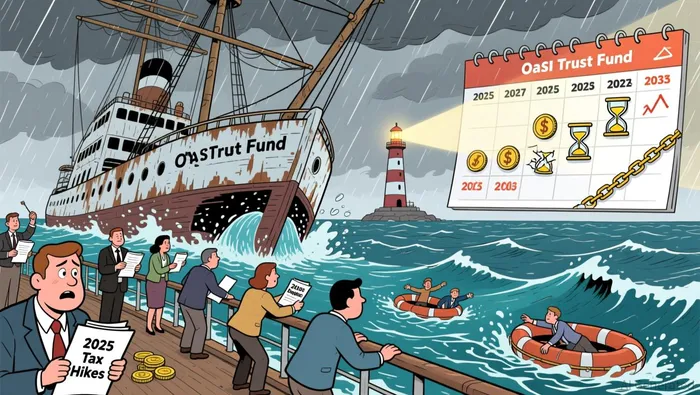 The Trump-DOGE reforms, while reducing administrative costs and overpayment recovery rates, do not address these structural challenges. Instead, they rely on short-term fiscal engineering, such as the senior deduction, which critics argue weakens long-term solvency. The CBO warns that without legislative action, the depletion of the Trust Fund will force Congress to either raise taxes, cut benefits further, or borrow to maintain current payment levels-all of which carry significant economic and political risks.
Investor Implications: Asset Allocation in a High-Risk Environment
The looming depletion of the Social Security Trust Fund has forced investors to rethink retirement strategies. Traditional advice to delay claiming benefits until age 70 is being reconsidered as the risk of future policy changes or benefit cuts introduces a discount rate into financial models. For example, retirees with shorter life expectancies may now prioritize early claiming to secure guaranteed income before potential reductions take effect.
At the same time, the Trump administration's August 2025 executive order to democratize access to alternative assets in 401(k) plans has injected new dynamics into asset allocation strategies. By allowing investments in private equity, real estate, and digital assets, the policy aims to diversify retirement portfolios and potentially offset Social Security risks. However, these alternatives come with higher fees, liquidity constraints, and valuation uncertainties, which could expose retirees to volatility. analysis, the risk of overexposure to illiquid assets is significant.
For instance, into private markets, depending on participant behavior. While this may enhance long-term returns, it also raises concerns about overexposure to illiquid assets, particularly for older investors nearing retirement. According to American Action Forum analysis, the risk of overexposure is significant. The 's rescission of 2021 guidance discouraging alternative assets in retirement plans further underscores the administration's deregulatory approach, though it leaves fiduciaries navigating a "red zone" of litigation risks. According to wealth management analysis, the regulatory landscape remains uncertain.







Comentarios
Aún no hay comentarios