
Trump's Davos Call: Lower Oil Prices and Interest Rate Cuts
Generado por agente de IATheodore Quinn
jueves, 23 de enero de 2025, 11:50 am ET2 min de lectura
FOSL--
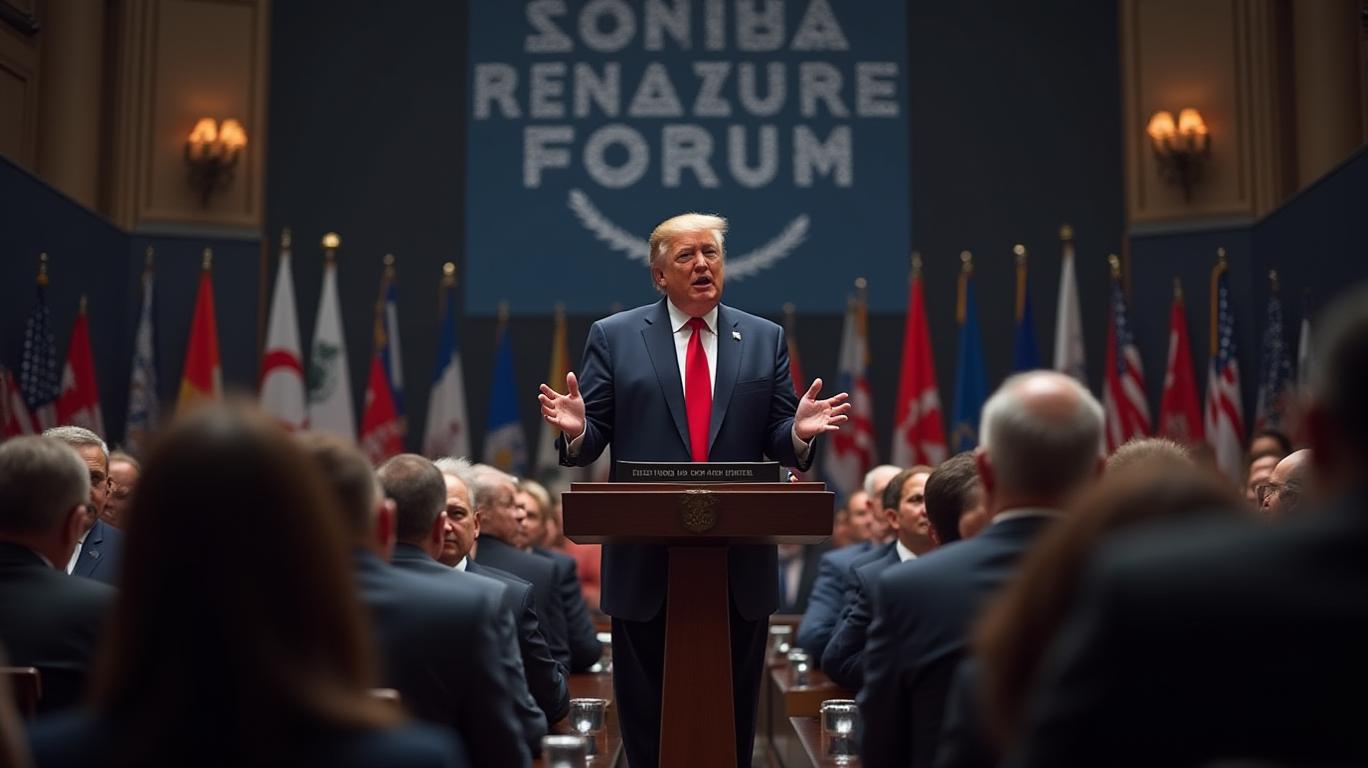
In his virtual address to the World Economic Forum in Davos, U.S. President Donald Trump urged lower oil prices and interest rate cuts, signaling a shift in his administration's energy and economic policies. These proposals could have significant implications for the energy sector, financial markets, and the broader global economy.
Energy Sector Impact
Trump's call for lower oil prices could lead to increased domestic production, benefiting U.S. energy companies. This is because lower prices make it more profitable for domestic producers to extract oil and gas. Nigel Green, CEO of Devere Group, expects companies involved in oil and gas exploration, extraction, and infrastructure to gain significantly as regulatory barriers are dismantled and investment in domestic production soars (Green, 2025).
However, lower oil prices could also slow down the transition to renewable energy sources, as fossil fuels become relatively cheaper. This could hinder the growth of renewable energy companies and investments in clean energy technologies.
Financial Markets Impact
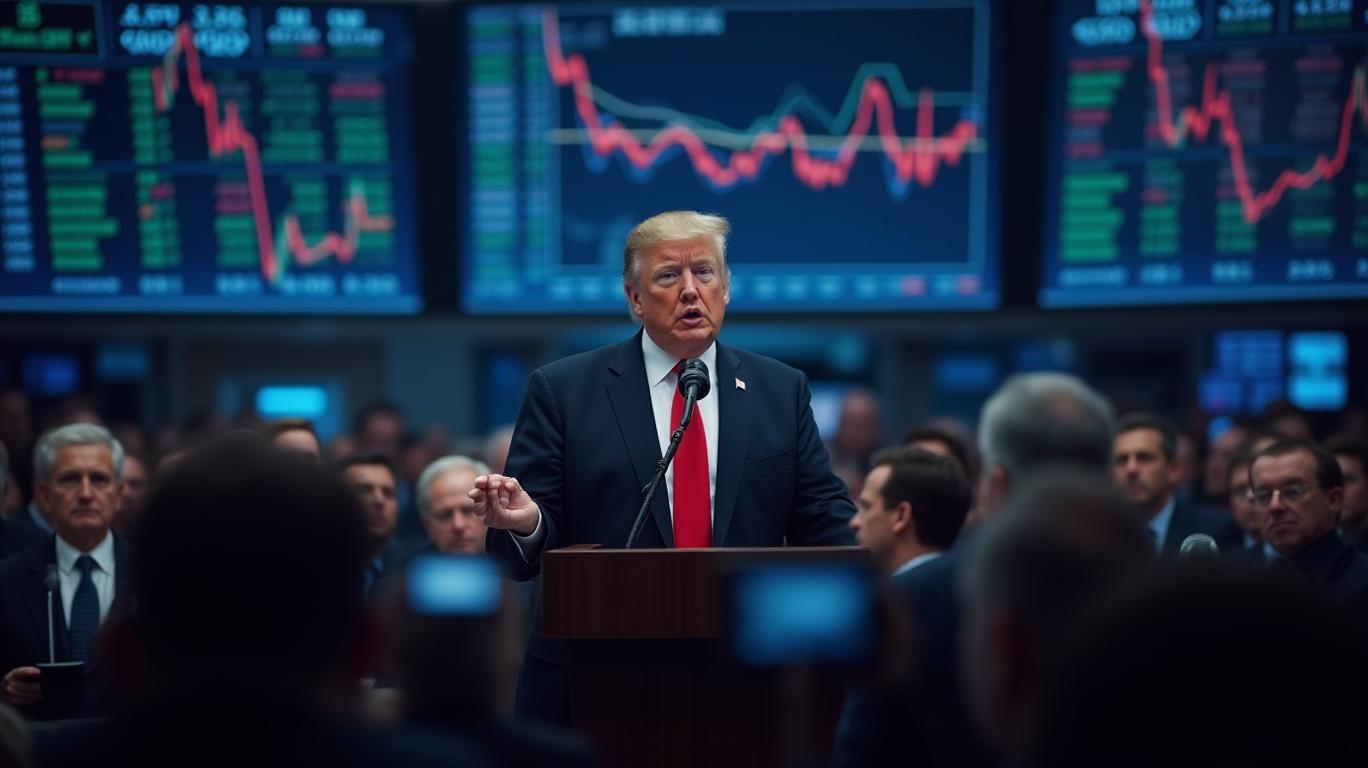
Lower oil prices typically lead to lower inflation rates, which could benefit bond markets and companies with high debt levels. However, Zachary Griffiths, senior investment-grade strategist at Creditsights, warns that gradual but large tariffs on a broad swath of countries could result in policy being tighter for longer, potentially challenging the Fed's ability to lower interest rates (Griffiths, 2025).
Lower interest rates could make borrowing cheaper for companies, potentially boosting corporate earnings and stock prices. However, Jamie Cox, managing partner at Harris Financial Group, cautions that the long-term impact on equity markets is uncertain, as the effects of Trump's policies on various sectors and industries could be complex and multifaceted (Cox, 2025).
Global Economy Implications
Trump's policies could have significant implications for the global economy, particularly for countries heavily reliant on oil exports. Increased U.S. oil production could drive down global oil prices, reducing revenue for oil-exporting countries and potentially impacting their economic stability and growth. For instance, Saudi Arabia, the de facto leader of OPEC, relies heavily on oil exports for its revenue. A decrease in demand could strain its budget and economic development plans.
Trump's call to expand U.S. territory and rename the Gulf of Mexico as the "Gulf of America" could also strain relations with neighboring countries and potentially lead to regional instability. Additionally, his withdrawal from the Paris climate agreement and the World Health Organization could further isolate the U.S. on the global stage and impact its relationships with other countries.
In conclusion, Trump's call for lower oil prices and interest rate cuts could have significant long-term impacts on the energy sector, financial markets, and the global economy. However, the exact nature and magnitude of these impacts remain uncertain and will depend on various factors, including the specific policies implemented by the Trump administration and the responses of other countries and international organizations.
OAKM--
In his virtual address to the World Economic Forum in Davos, U.S. President Donald Trump urged lower oil prices and interest rate cuts, signaling a shift in his administration's energy and economic policies. These proposals could have significant implications for the energy sector, financial markets, and the broader global economy.
Energy Sector Impact
Trump's call for lower oil prices could lead to increased domestic production, benefiting U.S. energy companies. This is because lower prices make it more profitable for domestic producers to extract oil and gas. Nigel Green, CEO of Devere Group, expects companies involved in oil and gas exploration, extraction, and infrastructure to gain significantly as regulatory barriers are dismantled and investment in domestic production soars (Green, 2025).
However, lower oil prices could also slow down the transition to renewable energy sources, as fossil fuels become relatively cheaper. This could hinder the growth of renewable energy companies and investments in clean energy technologies.
Financial Markets Impact
Lower oil prices typically lead to lower inflation rates, which could benefit bond markets and companies with high debt levels. However, Zachary Griffiths, senior investment-grade strategist at Creditsights, warns that gradual but large tariffs on a broad swath of countries could result in policy being tighter for longer, potentially challenging the Fed's ability to lower interest rates (Griffiths, 2025).
Lower interest rates could make borrowing cheaper for companies, potentially boosting corporate earnings and stock prices. However, Jamie Cox, managing partner at Harris Financial Group, cautions that the long-term impact on equity markets is uncertain, as the effects of Trump's policies on various sectors and industries could be complex and multifaceted (Cox, 2025).
Global Economy Implications
Trump's policies could have significant implications for the global economy, particularly for countries heavily reliant on oil exports. Increased U.S. oil production could drive down global oil prices, reducing revenue for oil-exporting countries and potentially impacting their economic stability and growth. For instance, Saudi Arabia, the de facto leader of OPEC, relies heavily on oil exports for its revenue. A decrease in demand could strain its budget and economic development plans.
Trump's call to expand U.S. territory and rename the Gulf of Mexico as the "Gulf of America" could also strain relations with neighboring countries and potentially lead to regional instability. Additionally, his withdrawal from the Paris climate agreement and the World Health Organization could further isolate the U.S. on the global stage and impact its relationships with other countries.
In conclusion, Trump's call for lower oil prices and interest rate cuts could have significant long-term impacts on the energy sector, financial markets, and the global economy. However, the exact nature and magnitude of these impacts remain uncertain and will depend on various factors, including the specific policies implemented by the Trump administration and the responses of other countries and international organizations.

Divulgación editorial y transparencia de la IA: Ainvest News utiliza tecnología avanzada de Modelos de Lenguaje Largo (LLM) para sintetizar y analizar datos de mercado en tiempo real. Para garantizar los más altos estándares de integridad, cada artículo se somete a un riguroso proceso de verificación con participación humana.
Mientras la IA asiste en el procesamiento de datos y la redacción inicial, un miembro editorial profesional de Ainvest revisa, verifica y aprueba de forma independiente todo el contenido para garantizar su precisión y cumplimiento con los estándares editoriales de Ainvest Fintech Inc. Esta supervisión humana está diseñada para mitigar las alucinaciones de la IA y garantizar el contexto financiero.
Advertencia sobre inversiones: Este contenido se proporciona únicamente con fines informativos y no constituye asesoramiento profesional de inversión, legal o financiero. Los mercados conllevan riesgos inherentes. Se recomienda a los usuarios que realicen una investigación independiente o consulten a un asesor financiero certificado antes de tomar cualquier decisión. Ainvest Fintech Inc. se exime de toda responsabilidad por las acciones tomadas con base en esta información. ¿Encontró un error? Reportar un problema


SOBRE NOSOTROS
Nuestra historiaAutores de noticiasBase de conocimientosPolítica de privacidadTérmino de usoDescargo de responsabilidad de corretaje de tercerosTérminos de uso de AIMEDivulgaciones de riesgos de AInvest AICarrerasCONTÁCTENOS
Email: support@ainvest.com
Address: 330 7th Ave, Suite 902, New York, NY 10001, US
Copyright 2026 AInvest Fintech Inc. All rights reserved.


Comentarios
Aún no hay comentarios