
Trump's Crypto Support Drives Market Volatility, Raises Manipulation Concerns
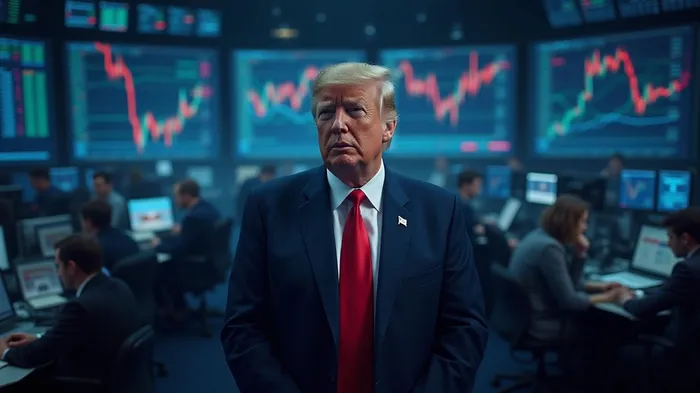
Donald Trump, the of the United States, has publicly declared his support for cryptocurrency, stating, "I am a big fan of cryptocurrency." This declaration marks a significant shift in his stance on digital assets, which he once criticized. Trump's newfound enthusiasm for cryptocurrency is part of a strategic move to position himself as a pro-crypto leader, aligning with his reputation as a businessman and politician.
Trump's influence in the crypto space is substantial. His social media posts on platforms like X and Truth can cause immediate reactions in the market, driving Bitcoin's price up or down. This influence extends to his sonsSON--, Donald Trump Jr. and Eric Trump, who frequently promote cryptocurrency and suggest market trends, subtly steering market sentiment. The launch of politically themed meme coins like $TRUMP and $MELANIA has further amplified this influence, sparking massive rallies and equally dramatic crashes.
The ethical concerns surrounding Trump's involvement in cryptocurrency are evident. Investigations suggest insider activity, with strategic actions being used to shape market movements and drive profits for a select few. The concentration of power in the hands of a single family raises questions about the decentralized nature of cryptocurrency and its susceptibility to manipulation.
Beyond politics, crypto whales like Michael Saylor, co-founder of Strategy, also play a significant role in manipulating Bitcoin's movements. Saylor's company holds a substantial amount of Bitcoin, and his announcements of new purchases often lead to price spikes. This concentration of power in the hands of a few individuals contradicts the decentralized ideals of cryptocurrency, raising concerns about market manipulation and unequal access.
Global tensions also impact Bitcoin's price, making it a geopolitical asset. Recent US tariffs on Chinese mining equipment have raised mining costs and disrupted the supply chain for mining rigs, affecting hash rates. Conversely, the exemption of tech products from tariffs has led to a surge in Bitcoin's price, highlighting the direct link between trade policy and Bitcoin price action.
The influence of political leaders, regulators, and corporate giants on the cryptocurrency market has transformed it from a decentralized dream to a politically-driven reality. The market now reacts not just to algorithms or adoption metrics but also to the opinions and actions of a powerful few. This raises concerns about market manipulation, unequal access, and the long-term health of crypto's founding vision. The absence of central control and the self-governing nature of the system are becoming increasingly symbolic, as the market's independence is challenged by external influences.






Comentarios
Aún no hay comentarios