
Trump's Crypto Push Speeds Up Digital Euro: ECB
Generado por agente de IAWesley Park
jueves, 6 de febrero de 2025, 7:45 am ET1 min de lectura
PYPL--
In a surprising turn of events, U.S. President Donald Trump's recent endorsement of dollar-pegged cryptocurrencies has sparked a renewed sense of urgency within the European Central Bank (ECB) to fast-track the approval of the digital euro. The ECB, which has been exploring the idea of a central bank digital currency (CBDC) for some time, now sees Trump's move as a catalyst to accelerate its plans.
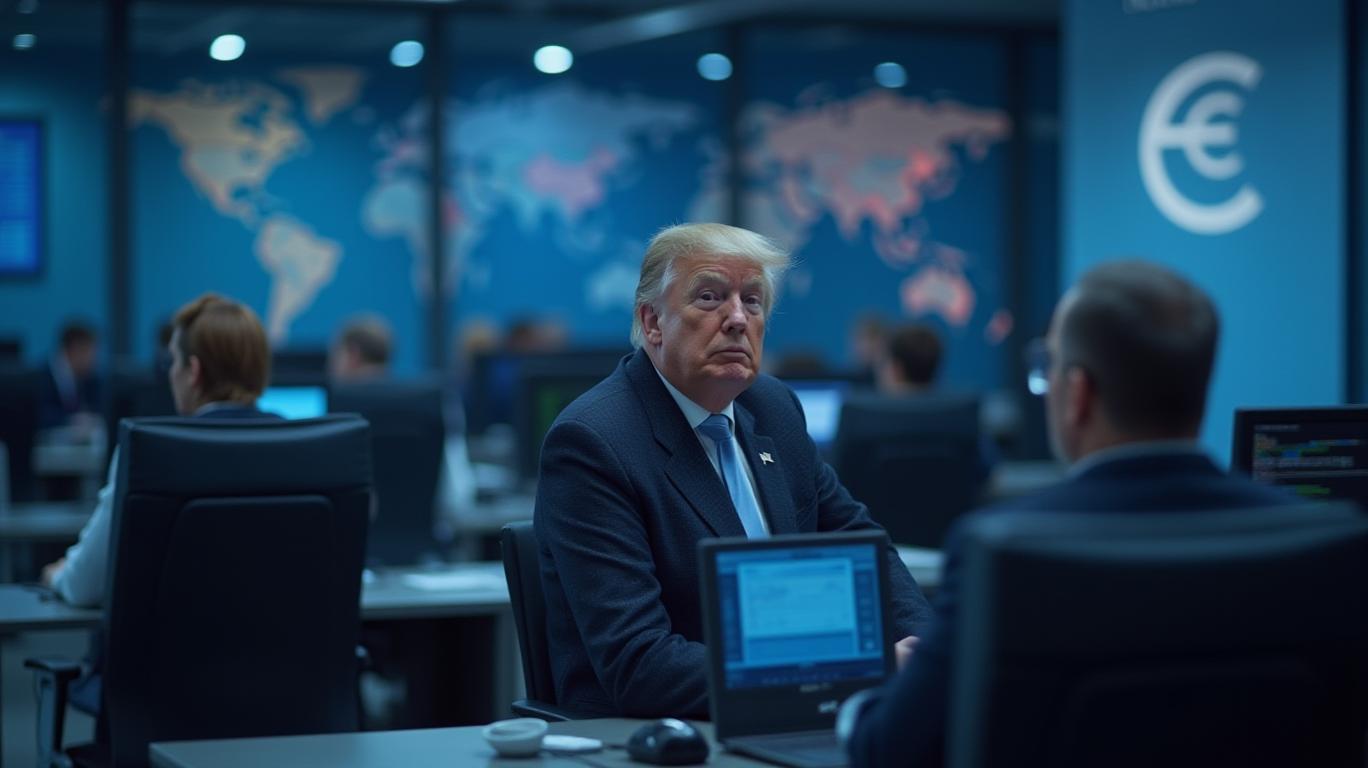
The ECB's digital euro initiative, currently in the preparatory phase, aims to create a central bank-backed online wallet that offers an electronic payment alternative independent of major U.S. providers like Visa Inc. (V) and PayPal Holdings Inc. (PYPL). The project, which began in October 2021, is expected to conclude with a decision on whether to proceed by October 2025.
ECB board member Piero Cipollone, a vocal proponent of the digital euro, recently expressed optimism that Trump's endorsement of globally accessible stablecoins tied to the dollar would spur the digital euro initiative. Cipollone conveyed his hopes that the political world's increased awareness of the issue would accelerate the legislative approval process.
However, the ECB's plans for a digital euro face several challenges, including skepticism from certain lawmakers and bankers. Banks have expressed concerns about potential capital outflows as customers might prefer the security of an ECB-backed digital wallet over traditional accounts. To address these concerns, the ECB has proposed safeguards such as setting holding limits for digital euros and introducing a "waterfall mechanism" to manage currency flow, ensuring that excessive amounts do not remain outside the banking system.
Moreover, the ECB's digital euro initiative contrasts with the U.S. approach, where Trump has prohibited the Federal Reserve from issuing its own CBDC. This indirect support for private stablecoin providers like Circle and Tether has raised concerns about the potential impact on the global financial landscape.
As the ECB pushes for a digital euro amid the rise of stablecoins, it remains uncertain how the digital euro would influence the growth of Europe's crypto sector. The European Union has implemented MiCA regulations to oversee crypto businesses across the region, but the digital euro's impact on this sector is yet to be determined.
In conclusion, Trump's recent endorsement of dollar-pegged cryptocurrencies has given the ECB a renewed sense of urgency to fast-track the approval of the digital euro. While the ECB faces several challenges in implementing its plans, the digital euro initiative could significantly reshape the global financial landscape and impact the growth and development of the crypto sector in Europe. As the ECB continues to explore the potential of a digital euro, it will be crucial for the organization to address the concerns of European banks and ensure a balanced and sustainable ecosystem for both traditional finance and digital assets.
V--
In a surprising turn of events, U.S. President Donald Trump's recent endorsement of dollar-pegged cryptocurrencies has sparked a renewed sense of urgency within the European Central Bank (ECB) to fast-track the approval of the digital euro. The ECB, which has been exploring the idea of a central bank digital currency (CBDC) for some time, now sees Trump's move as a catalyst to accelerate its plans.
The ECB's digital euro initiative, currently in the preparatory phase, aims to create a central bank-backed online wallet that offers an electronic payment alternative independent of major U.S. providers like Visa Inc. (V) and PayPal Holdings Inc. (PYPL). The project, which began in October 2021, is expected to conclude with a decision on whether to proceed by October 2025.
ECB board member Piero Cipollone, a vocal proponent of the digital euro, recently expressed optimism that Trump's endorsement of globally accessible stablecoins tied to the dollar would spur the digital euro initiative. Cipollone conveyed his hopes that the political world's increased awareness of the issue would accelerate the legislative approval process.
However, the ECB's plans for a digital euro face several challenges, including skepticism from certain lawmakers and bankers. Banks have expressed concerns about potential capital outflows as customers might prefer the security of an ECB-backed digital wallet over traditional accounts. To address these concerns, the ECB has proposed safeguards such as setting holding limits for digital euros and introducing a "waterfall mechanism" to manage currency flow, ensuring that excessive amounts do not remain outside the banking system.
Moreover, the ECB's digital euro initiative contrasts with the U.S. approach, where Trump has prohibited the Federal Reserve from issuing its own CBDC. This indirect support for private stablecoin providers like Circle and Tether has raised concerns about the potential impact on the global financial landscape.
As the ECB pushes for a digital euro amid the rise of stablecoins, it remains uncertain how the digital euro would influence the growth of Europe's crypto sector. The European Union has implemented MiCA regulations to oversee crypto businesses across the region, but the digital euro's impact on this sector is yet to be determined.
In conclusion, Trump's recent endorsement of dollar-pegged cryptocurrencies has given the ECB a renewed sense of urgency to fast-track the approval of the digital euro. While the ECB faces several challenges in implementing its plans, the digital euro initiative could significantly reshape the global financial landscape and impact the growth and development of the crypto sector in Europe. As the ECB continues to explore the potential of a digital euro, it will be crucial for the organization to address the concerns of European banks and ensure a balanced and sustainable ecosystem for both traditional finance and digital assets.

Divulgación editorial y transparencia de la IA: Ainvest News utiliza tecnología avanzada de Modelos de Lenguaje Largo (LLM) para sintetizar y analizar datos de mercado en tiempo real. Para garantizar los más altos estándares de integridad, cada artículo se somete a un riguroso proceso de verificación con participación humana.
Mientras la IA asiste en el procesamiento de datos y la redacción inicial, un miembro editorial profesional de Ainvest revisa, verifica y aprueba de forma independiente todo el contenido para garantizar su precisión y cumplimiento con los estándares editoriales de Ainvest Fintech Inc. Esta supervisión humana está diseñada para mitigar las alucinaciones de la IA y garantizar el contexto financiero.
Advertencia sobre inversiones: Este contenido se proporciona únicamente con fines informativos y no constituye asesoramiento profesional de inversión, legal o financiero. Los mercados conllevan riesgos inherentes. Se recomienda a los usuarios que realicen una investigación independiente o consulten a un asesor financiero certificado antes de tomar cualquier decisión. Ainvest Fintech Inc. se exime de toda responsabilidad por las acciones tomadas con base en esta información. ¿Encontró un error? Reportar un problema




Comentarios
Aún no hay comentarios